El Niño Fuels Unprecedented Floral Spectacle in Atacama Desert
Normally one of the planet’s most arid regions, parts of Chile’s Atacama Desert have been transformed into a vibrant tapestry of red-purple, green, and white hues. This extraordinary transformation, known as the “desierto florido” or “flowering desert,” is attributed to an unusually wet winter, amplified by the strengthening El Niño phenomenon in the tropical Pacific. The abundant rainfall has awakened dormant seeds, leading to what scientists are calling the most extensive flowering event observed in the satellite era.
The meteorological shifts associated with El Niño weakened the subtropical Pacific high-pressure system, which typically keeps the Atacama dry. Concurrently, a blocking high formed in the South Pacific, altering weather patterns and pushing the Southern Hemisphere storm track towards the equator. This resulted in a series of powerful storm fronts, fueled by an atmospheric river, delivering some of the heaviest July rainfall in decades to a vast stretch of Chile, including the Atacama region.
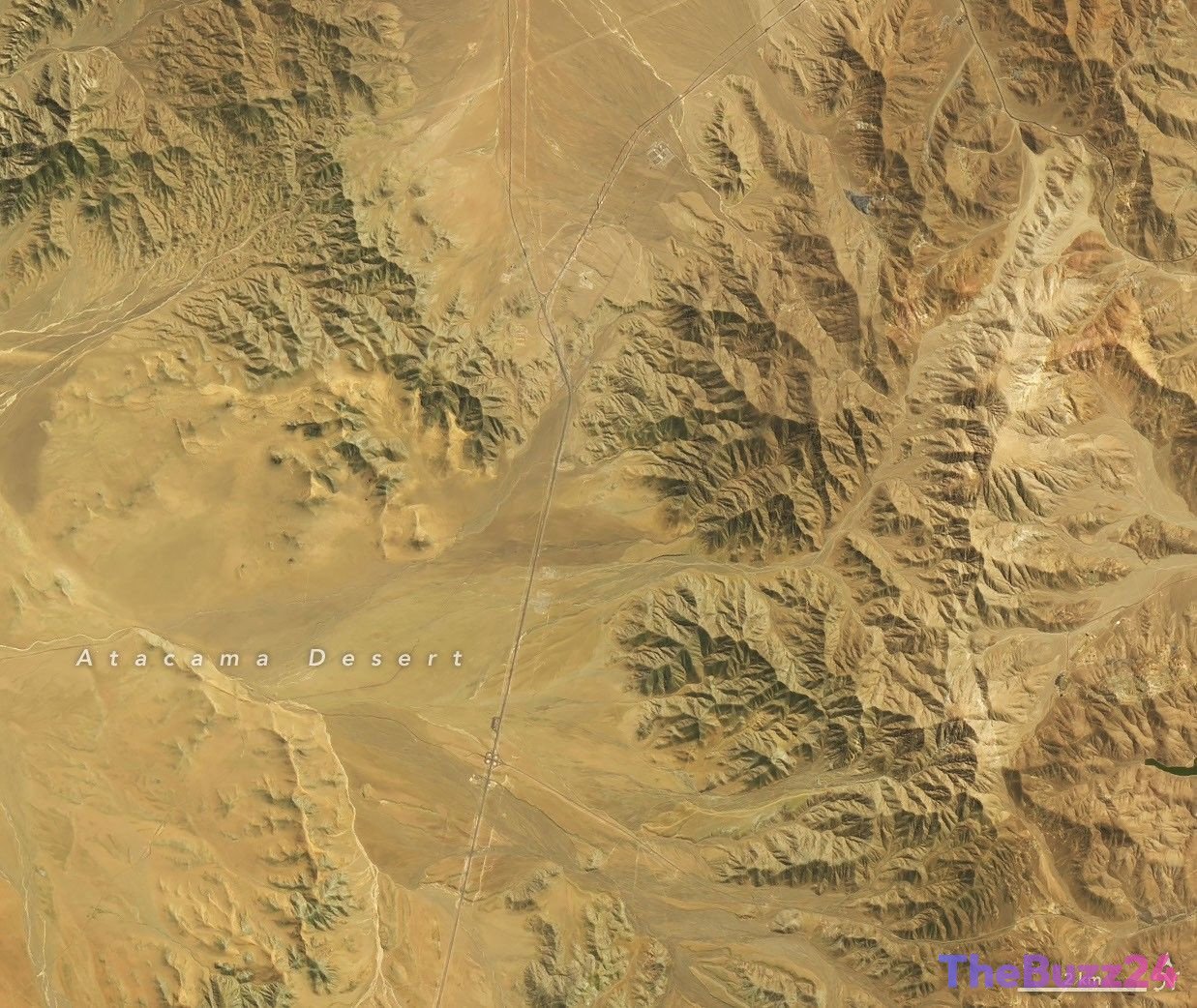
Following the significant rainfall, August brought back-to-back winter storms that even blanketed parts of the Atacama Desert with rare snow. The subsequent spring bloom, captured by satellite imagery from September 14 and October 24, showcases the dramatic change. Near Copiapó, vast fields of “pata de guanaco” (likely Cistanthe longiscapa) painted the landscape in striking red-purple tones by late October. Earlier in September, different areas displayed “suspiros” (likely Nolana baccata), appearing as green patches capped with white.
Scientists are actively studying this remarkable event using a combination of satellite data, drones, and ground photography. This research aims to map the bloom’s biodiversity and its temporal and spatial variations, providing crucial information for land-use planners and conservation efforts. Compared to previous recorded blooms, the 2026 “flowering desert” event is considered exceptional in its extent, intensity, and duration, particularly since the advent of remote sensing technologies.
Key Takeaways
- El Niño conditions led to unusually heavy rainfall in Chile's Atacama Desert.
- The increased precipitation triggered the "desierto florido" phenomenon, resulting in the most extensive flowering event recorded by satellite.
- Scientists are using advanced technology to study the biodiversity and inform conservation strategies for this rare natural spectacle.
Editor’s Analysis & Impact
The Atacama Desert’s “flowering desert” event underscores the profound impact of climate patterns like El Niño on even the most extreme environments. This year’s unprecedented bloom highlights the sensitivity of desert ecosystems and the potential for dramatic ecological shifts in response to altered precipitation. The extensive use of satellite data and scientific collaboration in studying this phenomenon demonstrates a growing capacity to monitor and understand environmental changes. This event serves as a potent reminder of nature’s resilience and the importance of continued research into climate-driven ecological transformations, with implications for biodiversity conservation and land management in arid regions worldwide.
Frequently Asked Questions
Q: What is the "desierto florido"?
A: The "desierto florido," or "flowering desert," is a natural phenomenon occurring in parts of the Atacama Desert where dormant seeds in the soil germinate and bloom following significant rainfall, transforming the arid landscape into a colorful floral display.
Q: How does El Niño influence the Atacama Desert blooms?
A: El Niño alters atmospheric and oceanic patterns, weakening the high-pressure system that typically keeps the Atacama dry. This allows storm systems, often carrying atmospheric rivers, to bring much-needed rain to the region, triggering the flowering events.
Q: Why is the 2026 flowering event considered significant?
A: The 2026 "desierto florido" is considered the most extensive, intense, and prolonged event observed since the use of remote sensing technologies began, indicating a particularly strong response to the prevailing weather conditions.
AI Disclosure: This article is based on verified data and official reports. Our Team and AI have cross-referenced every financial detail with primary sources to ensure total accuracy.
More from this Category