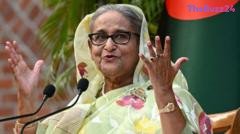
Ousted Leader Sheikh Hasina Announces Planned Return to Bangladesh, Heightening Regional Tensions
Deposed Bangladeshi Prime Minister Sheikh Hasina has set December 16 as the tentative date for her return to Bangladesh, sparking intense security preparations in Dhaka and escalating diplomatic friction with neighboring India. Hasina, who fled to New Delhi in August 2024 following a widespread public uprising that ended her 15-year tenure, intends to return on Victory Day, a national holiday commemorating the country’s 1971 liberation. The government in Dhaka has responded firmly to the announcement, warning that Hasina faces immediate arrest and the execution of a death sentence handed down in absentia for alleged crimes against humanity linked to the crackdowns during her final months in power.
Despite the legal bans imposed on her party, the Awami League, Hasina has reportedly sustained operational networks from exile. Aides state that she has conducted over 300 interactive audio sessions over encrypted messaging platforms, staying in direct contact with grass-roots organizers across all 64 districts. Supporters have increasingly organized flash demonstrations and confrontational rallies across several regions, leading to clashes with law enforcement, property damage, and heightened security patrols in major cities. Opponents of Hasina view her announcement as a strategic attempt to exploit political divisions within the current administration rather than a viable homecoming plan.
The announcement places India in a delicate geopolitical stance. New Delhi has sheltered Hasina since her departure, a decision that has stalled diplomatic progress between India and the current Bangladeshi government led by Prime Minister Tarique Rahman. Bangladesh has formally requested her extradition, while Indian officials maintain that legal procedures surrounding the request remain under review. Analysts note that while India seeks to maintain regional stability and economic partnerships in South Asia, the lingering presence of Hasina in New Delhi complicates efforts to normalize cross-border trade, transit facilities, and bilateral agreements.
Key Takeaways
- Sheikh Hasina plans to return to Bangladesh on December 16, despite facing a death sentence and immediate arrest upon arrival.
- The Awami League remains officially banned, but exile leadership has utilized digital communications to organize localized protests and maintain party structure.
- Hasina's continued residency in New Delhi has created persistent diplomatic friction between India and the current administration in Dhaka.
Editor’s Analysis & Impact
Sheikh Hasina’s proposed return introduces significant political volatility to South Asia. For Bangladesh, the prospect of her return risks reigniting street-level unrest, challenging the stability of the current transitional governance framework. Economically, prolonged internal instability threatens regional supply chains, garment exports, and cross-border infrastructure projects. For India, balancing its historic ties with Hasina against the pragmatic necessity of building working relations with Bangladesh’s current leadership presents a major diplomatic challenge. The ongoing friction could delay critical negotiations on regional transit, water-sharing treaties, and bilateral trade agreements. Consequently, the situation remains a pivotal geopolitical flashpoint with direct implications for South Asian trade and regional security.
Frequently Asked Questions
Q: Why is Sheikh Hasina facing arrest upon her return?
A: Hasina was convicted in absentia of crimes against humanity related to the fatal crackdowns during the 2024 uprising, resulting in a death sentence issued by Bangladeshi courts.
Q: What is India's official position on Hasina's extradition?
A: Indian officials have stated that the formal extradition request from Bangladesh is being reviewed through established legal procedures, while avoiding direct political intervention.
Q: Why is the chosen return date of December 16 significant?
A: December 16 is Victory Day in Bangladesh, marking the country's victory in the 1971 liberation war, a key historic milestone closely linked to the founding narrative of Hasina's political movement.
AI Disclosure: This article is based on verified data and official reports. Our Team and AI have cross-referenced every financial detail with primary sources to ensure total accuracy.
More from this Category