Escalating Houthi Drone and Missile Strikes Threaten Saudi Arabia’s Security Image
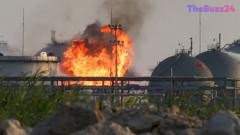
The breakdown of an informal ceasefire in Yemen has triggered a surge of cross-border drone and missile attacks targeting Saudi Arabia, putting the kingdom’s carefully cultivated image of safety and stability to a severe test. In recent months, hundreds of aerial assaults have reached deep into Saudi territory, striking critical infrastructure, prominent skyscrapers, and civilian transport hubs far from the Yemeni border.
The capital city of Riyadh, located more than 700 kilometers from the frontline, has experienced regular alerts as air defense systems intercept incoming projectiles. A particularly devastating strike hit King Khalid International Airport, resulting in multiple casualties and sending shockwaves through the local populace. Additional high-profile targets, including the headquarters of state oil giant Aramco and the prominent Public Investment Fund Tower, have also sustained damage, though repair efforts have moved swiftly to project an aura of business as usual.
While the Saudi government has condemned the assaults and vowed to take all necessary measures for defense, the campaign has disrupted regional travel and forced residents to adapt to a tense new reality. Expatriates and locals alike report psychological strains, particularly among children dealing with frequent security alerts and the lingering threat of falling debris from intercepted munitions. Meanwhile, the broader conflict continues to exact a heavy toll on civilians within Yemen, where renewed fighting, road closures, and airstrikes have displaced hundreds of thousands of people and severely restricted humanitarian aid access.
Key Takeaways
- The collapse of Yemen's informal ceasefire has led to hundreds of Houthi drone and missile attacks targeting locations deep inside Saudi Arabia.
- Critical infrastructure, including Riyadh's international airport, the Aramco building, and the PIF Tower, have been directly impacted by the strikes.
- Despite visible repairs and government assurances of stability, the attacks have disrupted travel and created psychological stress for both citizens and expatriates.
Editor’s Analysis & Impact
The intensification of Houthi strikes against Saudi Arabia marks a critical escalation in the regional conflict, directly challenging the kingdom’s multi-billion-dollar economic diversification and tourism strategy. Saudi Arabia has heavily promoted itself as a secure, modern hub for international investment and commerce under Vision 2030. However, frequent drone and missile attacks on high-profile targets like financial towers and international airports threaten to rattle investor confidence and inflate risk premiums. While the state’s swift repair efforts and robust air defenses help maintain an outward appearance of economic resilience, persistent security vulnerabilities could complicate upcoming mega-projects and tourism initiatives. The ongoing conflict also underscores the limits of regional deterrence, signaling that lasting economic stability in the Gulf remains inextricably linked to achieving a durable political resolution in Yemen.
Frequently Asked Questions
Q: Why have Houthi attacks on Saudi Arabia increased recently?
A: The attacks escalated significantly following the collapse of an informal ceasefire in Yemen, with the Houthis stating they are retaliating against Saudi-led air strikes and economic blockades.
Q: What key targets have been hit in Riyadh?
A: Targets in the Saudi capital have included King Khalid International Airport, the Aramco building, and the Public Investment Fund (PIF) Tower.
Q: How is Saudi Arabia responding to the attacks?
A: The Saudi government has deployed air defense systems to intercept incoming projectiles, condemned the strikes, launched retaliatory air operations in Yemen, and moved quickly to repair visible damage to infrastructure to maintain public stability.
AI Disclosure: This article is based on verified data and official reports. Our Team and AI have cross-referenced every financial detail with primary sources to ensure total accuracy.
More from this Category