Venezuela Set to Repeal Controversial Law Barring Opposition from Public Office
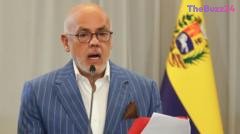
Venezuela’s National Assembly is moving to dismantle a key piece of legislation that has long prevented opposition figures from holding public office. National Assembly Speaker Jorge Rodríguez announced that the government plans to scrap the law, signaling a potential shift in the nation’s political landscape following months of delicate negotiations between the interim administration and opposition factions.
The legislation in question, known as the Simón Bolívar Law, was originally enacted in the wake of the contested July 2024 elections. That vote saw former President Nicolás Maduro declared the victor amidst widespread accusations of electoral fraud and a lack of transparent voting tallies. Designed to penalize critics of the administration, the law permanently banned individuals who supported foreign sanctions from seeking political office and subjected them to asset confiscation. Although critics have repeatedly denounced the statute as a tool for systemic political persecution, leadership maintains that the measures were a response to a specific historical moment.
The impending repeal is part of a broader “route map towards democracy” established during ongoing talks between the interim government led by Delcy Rodríguez and various opposition groups. While the administration has committed to organizing free and fair elections, an official timeline has not yet been announced. Prominent opposition figures, including María Corina Machado—who recently returned from exile—are widely anticipated to mount candidacies once a democratic electoral process is formally restored.
Key Takeaways
- Venezuela's National Assembly is preparing to repeal the controversial Simón Bolívar Law.
- The legislation previously barred individuals who supported foreign sanctions from holding public office.
- The move follows ongoing political negotiations aimed at establishing a pathway toward democratic elections.
Editor’s Analysis & Impact
The impending repeal of the Simón Bolívar Law marks a significant pivot in Venezuelan politics, reflecting the interim government’s desire to rebuild domestic credibility and foster international diplomatic re-engagement. For years, the exclusion of political opposition sidelined democratic processes and triggered severe economic sanctions from Western nations. By removing these legislative barriers, the leadership is opening the door for a more inclusive political environment. However, the true test of this transition will lie in the execution of truly free and fair elections, as well as the willingness of the ruling administration to share power with popular opposition leaders like María Corina Machado. Investors and international observers will monitor these developments closely, as a stable and democratic Venezuela could eventually pave the way for the normalization of trade relations and the revitalization of the country’s critical energy sector.
Frequently Asked Questions
Q: What was the Simón Bolívar Law?
A: Enacted after the July 2024 elections, the Simón Bolívar Law permanently banned individuals who requested or supported foreign sanctions against Venezuela from holding political office and allowed for the confiscation of their assets.
Q: Who announced the repeal of the law?
A: Jorge Rodríguez, the speaker of Venezuela's National Assembly, announced that the legislature expects to approve the reforms.
Q: How does this impact future elections in Venezuela?
A: The repeal removes a major legal hurdle that previously prevented key opposition figures from running for public office, serving as part of an agreed-upon roadmap toward holding free and fair democratic elections.
AI Disclosure: This article is based on verified data and official reports. Our Team and AI have cross-referenced every financial detail with primary sources to ensure total accuracy.
More from this Category