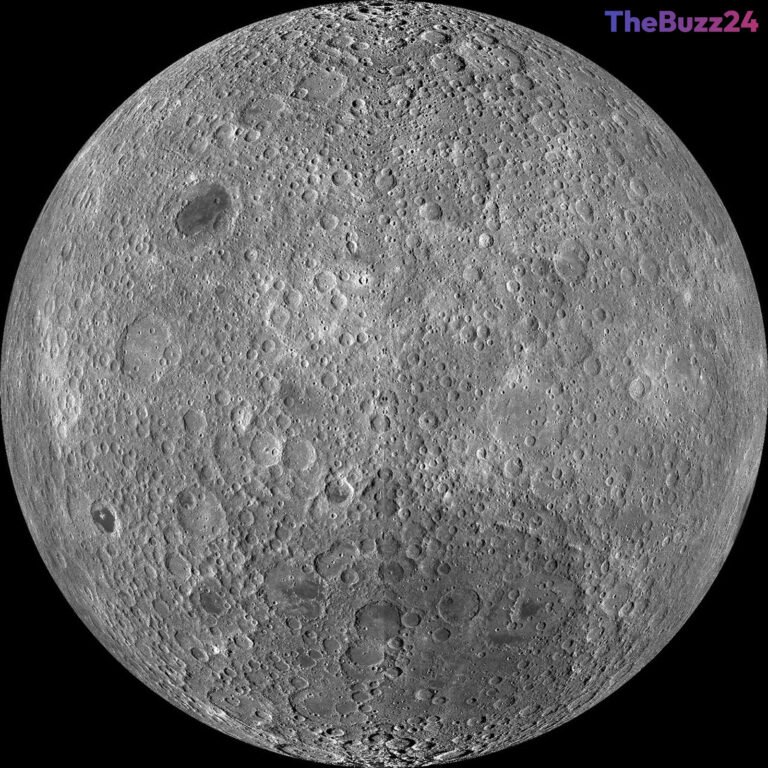
Artemis II: Pioneering Astronauts Prepare for Groundbreaking Lunar Mission
Humanity stands on the cusp of a monumental return to the Moon with the impending Artemis II mission, marking the first crewed journey around our celestial neighbor in over five decades. This ambitious endeavor will see the Orion spacecraft carry a quartet of highly accomplished astronauts, each bringing a unique blend of skills and personal narratives to this historic voyage. The diverse crew comprises NASA Commander Reid Wiseman, Pilot Victor Glover, and Mission Specialist Christina Koch, alongside Canadian Space Agency Mission Specialist Jeremy Hansen. Their participation signifies significant milestones, as Koch will be the first woman, Glover the first Black person, and Hansen the first non-American to travel to the Moon.
Commander Reid Wiseman, a seasoned U.S. Navy test pilot and veteran of a six-month stint aboard the International Space Station, will lead the mission. A Baltimore native, Wiseman has openly shared the personal challenges of being a single parent to two teenage daughters after losing his wife to cancer. He has candidly discussed the inherent risks of spaceflight with his children, emphasizing the importance of preparing for life’s uncertainties. Wiseman views Artemis II not merely as his personal mission, but a collective human effort, hoping it will be remembered as a crucial “tiny step” toward future human habitation on the Moon and eventually Mars.
Joining him is Christina Koch, an engineer and physicist who holds the record for the longest single spaceflight by a woman, having spent 328 days on the ISS, where she also participated in the first all-female spacewalk. Inspired by the iconic “Earthrise” photograph from Apollo 8, Koch, who will become the first woman to journey to the Moon, carries handwritten notes from the public as a personal connection to Earth during her mission. Pilot Victor Glover, a former U.S. Navy fighter and test pilot, previously piloted NASA’s SpaceX Crew-1 mission and spent nearly six months on the International Space Station. A charismatic figure with three master’s degrees, Glover will make history as the first Black person to travel to the Moon. He meticulously prepares for the mission by studying original Gemini and Apollo journal papers, seeking timeless lessons from past pioneers. Glover believes that the innate drive to explore is fundamental to the human spirit, pushing us to understand our place in the universe.
Complementing the team is Jeremy Hansen, a former Royal Canadian Air Force fighter pilot and physicist, who will be the first Canadian to venture to the Moon. Though new to spaceflight, Hansen has played a pivotal role in astronaut training at NASA’s Johnson Space Center. Like Koch, his fascination with space began with the Apollo missions, and he has carefully prepared his three children for the intense visuals and sounds of a rocket launch, emphasizing the normal yet dramatic aspects of a first crewed flight. Hansen sees his participation as a testament to the remarkable progress in international space cooperation. As these four astronauts prepare to push the boundaries of human exploration, they embody a blend of profound technical expertise and deep personal commitment. Their journey aboard Artemis II is not just a testament to individual courage but a powerful symbol of global collaboration, aiming to inspire future generations and pave the way for humanity’s continued expansion into the cosmos.
Key Takeaways
- Artemis II is set to be the first crewed mission to orbit the Moon in over five decades, marking a significant milestone in human space exploration.
- The mission features a historically diverse crew, including the first woman, first Black person, and first Canadian to journey to the Moon.
- The astronauts' personal stories, motivations, and commitment highlight the blend of technical expertise and global collaboration driving humanity's renewed push towards lunar and deep-space exploration.
Editor’s Analysis & Impact
The Artemis II mission represents a pivotal moment for the global space industry, signaling a renewed commitment to human deep-space exploration. Its success will undoubtedly invigorate investment in aerospace manufacturing, advanced propulsion systems, and lunar infrastructure development, benefiting both government agencies and private space companies. The mission’s emphasis on international collaboration, particularly with the Canadian Space Agency, sets a precedent for future multi-national endeavors, potentially fostering a more integrated global space economy.
Looking ahead, Artemis II paves the way for the Artemis III lunar landing and the broader vision of establishing a sustained human presence on the Moon, which is crucial for eventual missions to Mars. This renewed focus on lunar exploration is expected to inspire a new generation in STEM fields and could lead to breakthroughs in resource utilization and life support systems in extreme environments. Geopolitically, it reinforces the capabilities of participating nations and underscores the strategic importance of space dominance and cooperation in the 21st century.
Frequently Asked Questions
Q: What is the primary objective of the Artemis II mission?
A: The primary objective of the Artemis II mission is to send a crewed Orion spacecraft on a lunar flyby, testing critical systems and procedures for future human deep-space exploration, and marking humanity's return to the Moon's vicinity after over five decades.
Q: Who are the astronauts on the Artemis II mission?
A: The crew consists of NASA Commander Reid Wiseman, Pilot Victor Glover, Mission Specialist Christina Koch, and Canadian Space Agency Mission Specialist Jeremy Hansen.
Q: What makes the Artemis II crew historically significant?
A: The crew is historically significant as it includes the first woman (Christina Koch), first Black person (Victor Glover), and first non-American (Jeremy Hansen) to journey to the Moon, showcasing a new era of diversity in space exploration.
AI Disclosure: This article is based on verified data and official reports. Our Team and AI have cross-referenced every financial detail with primary sources to ensure total accuracy.
More from this Category