Evolution of the Spacesuit: Engineering the Future of Deep Space Exploration
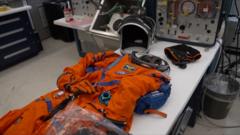
NASA is currently finalizing the development of next-generation spacesuits designed to support the first crewed lunar orbit mission in over half a century. These advanced garments, developed at the Orion Crew Survival Systems Lab, are engineered to provide unparalleled protection during the most volatile phases of spaceflight, including launch and atmospheric reentry. Beyond basic safety, the suits serve as a critical life-support system, offering a robust contingency plan for astronauts should an emergency occur during their journey.
While the suits retain a classic aesthetic, the internal architecture represents a massive leap forward in aerospace engineering. The design team has prioritized ergonomic improvements, ensuring that astronauts can maintain peak performance during extended periods of wear. By optimizing internal pressure management and enhancing material durability, these suits allow for greater mobility and comfort, addressing the physical toll that deep-space travel places on the human body compared to legacy flight gear.
These orange suits are more than just equipment for the upcoming Artemis lunar missions; they represent a strategic investment in the future of human space exploration. By focusing on modularity and scalable safety features, the technology is being built to evolve. This approach ensures that the lessons learned from lunar expeditions will serve as the foundation for future crewed missions to Mars, marking a significant step toward sustainable, long-term human presence in the solar system.
Key Takeaways
- NASA's new spacesuits are designed for maximum protection during high-stakes launch and landing phases.
- The suits feature significant internal engineering upgrades to improve astronaut comfort and operational efficiency during long-duration missions.
- The modular design of these suits is intended to serve as a technological bridge for future crewed missions to Mars.
Editor’s Analysis & Impact
The development of these next-generation spacesuits signals a shift in aerospace strategy from short-term exploration to sustainable, long-term deep-space habitation. By prioritizing modularity, NASA is effectively reducing the R&D cycle for future missions, as the core life-support architecture can be adapted for different planetary environments. From a market perspective, this highlights the growing importance of private-public partnerships in the aerospace supply chain, as the demand for high-performance, durable materials increases. As the industry pivots toward Mars, the ability to manufacture reliable, scalable life-support systems will become the primary competitive advantage for space agencies and commercial partners alike. This evolution is not merely about clothing astronauts; it is about creating the infrastructure necessary for humanity to become a multi-planetary species.
Frequently Asked Questions
Q: Why are these new spacesuits considered an improvement over older models?
A: The new suits feature enhanced internal pressure management and ergonomic designs that allow for greater mobility and comfort during extended wear, which is essential for the rigors of deep-space travel.
Q: Are these suits only intended for lunar missions?
A: No, while they are being deployed for the Artemis lunar missions, they are designed with a modular approach to serve as a foundation for future crewed missions to Mars.
AI Disclosure: This article is based on verified data and official reports. Our Team and AI have cross-referenced every financial detail with primary sources to ensure total accuracy.
More from this Category