The 2026 Digital Asset Shift: Institutional Integration and the Rise of Tokenization
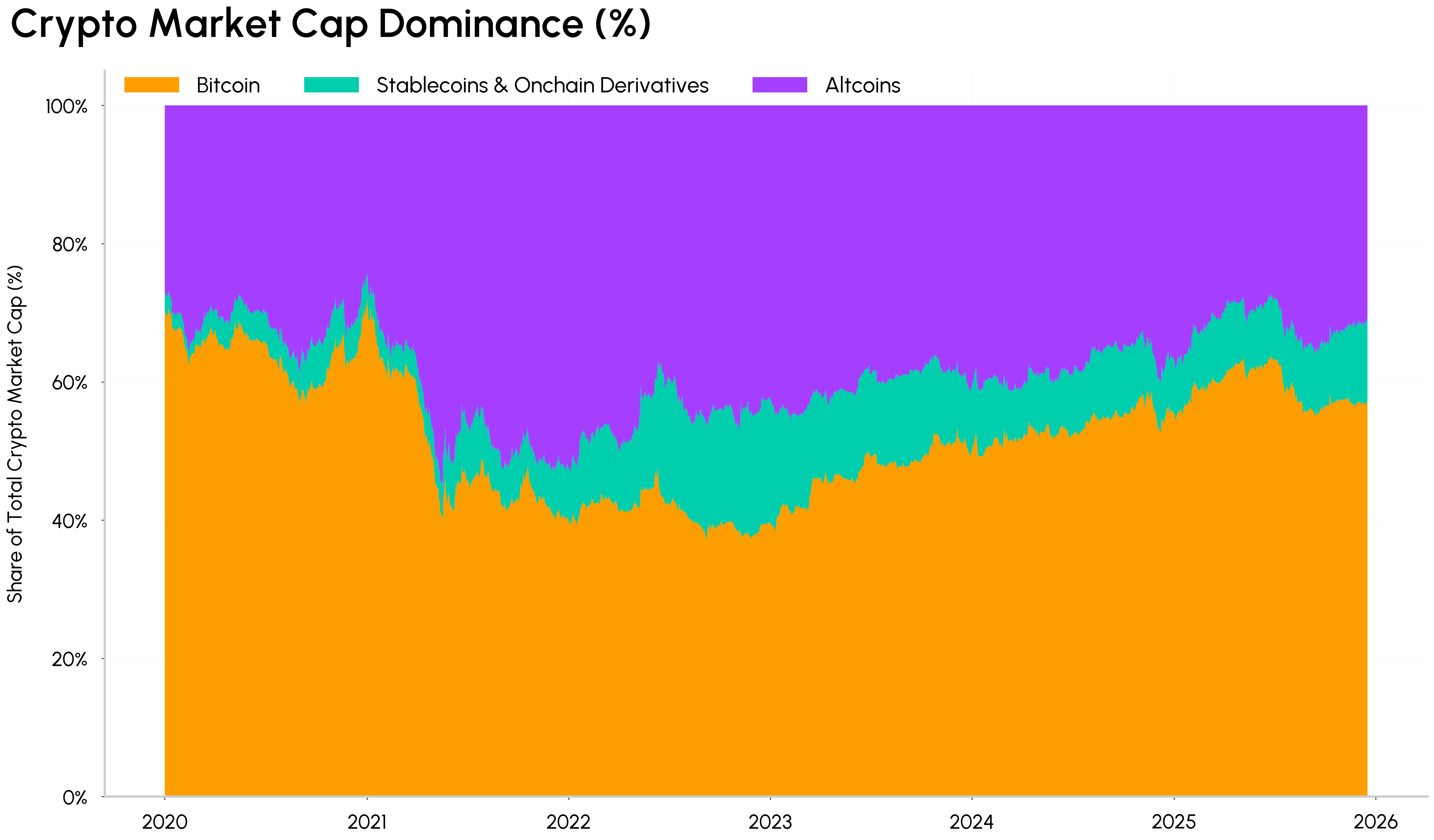
The digital asset landscape is undergoing a profound structural evolution as it moves toward 2026, characterized by a shift toward institutional maturity and the integration of blockchain technology into traditional finance. Bitcoin has solidified its position as a cornerstone asset, with market dominance reaching levels not seen since early 2021. This trend reflects a broader market maturation where investors are increasingly prioritizing projects with sound tokenomics and clear product-market fit over speculative altcoin ventures.
Institutional adoption has become the primary driver of this transformation, fueled by the success of spot ETFs and corporate treasury allocations. With over 1.36 million BTC now held within spot Bitcoin ETFs, these vehicles have become essential conduits for capital from major asset managers and retirement funds. This trend is further bolstered by the introduction of yield-bearing products, such as staked Ethereum ETFs, which allow institutional portfolios to treat digital assets as income-generating components rather than purely speculative holdings.
Simultaneously, the industry is pivoting toward ‘super applications’ that offer comprehensive financial services, including staking, stablecoin interest, and tokenized equities. Major platforms like Coinbase, Robinhood, and Kraken are expanding their ecosystems to bridge the gap between decentralized finance and traditional banking. This integration is supported by regulatory milestones, such as national trust bank charters granted to firms like Circle and Ripple, which provide direct access to federal payment systems.
Finally, the infrastructure for global finance is being rewritten through the rise of stablecoins and the tokenization of real-world assets (RWAs). With stablecoin market capitalization reaching $300 billion and transaction costs falling to sub-cent levels, these assets are serving as a critical distribution layer for the U.S. dollar. Meanwhile, major financial institutions, including BlackRock and JPMorgan, are actively migrating traditional assets like Treasuries and commodities onto public blockchains, signaling that tokenization is moving from experimental pilot programs to widespread production.
Key Takeaways
- Institutional capital is increasingly flowing into digital assets through regulated ETFs and yield-generating products, signaling a shift toward long-term portfolio integration.
- The emergence of 'super apps' and the acquisition of national trust bank charters by crypto-native firms are bridging the gap between decentralized finance and traditional banking infrastructure.
- Stablecoins and the tokenization of real-world assets are becoming the foundational layers for global financial settlement, with major institutions actively migrating traditional funds onto public blockchains.
Editor’s Analysis & Impact
The digital asset sector is currently transitioning from a ‘Wild West’ phase into a highly regulated, institutional-grade financial ecosystem. The convergence of traditional banking infrastructure with blockchain technology suggests that the distinction between ‘crypto’ and ‘finance’ will continue to blur throughout 2026. The move by major asset managers like BlackRock and Franklin Templeton to tokenize Treasuries and funds is particularly significant; it validates the efficiency of blockchain settlement over legacy systems. Looking ahead, the primary challenge will be navigating the regulatory landscape as these assets become deeply embedded in the global economy. However, the current trajectory points toward a future where digital assets are not just an alternative asset class, but a core component of the global financial plumbing, likely leading to increased market stability and broader retail adoption.
Frequently Asked Questions
Q: What is driving the increased institutional interest in digital assets?
A: Institutional interest is primarily driven by the availability of regulated investment vehicles like spot ETFs, the ability to generate yield through staking, and the growing integration of digital assets into corporate treasury strategies.
Q: How are 'super apps' changing the crypto industry?
A: Super apps are transforming the industry by moving beyond simple trading to offer a full suite of financial services, including stablecoin interest, tokenized equities, and DeFi functionalities, making it easier for users to manage diverse financial needs in one place.
Q: What does the tokenization of real-world assets (RWAs) mean for investors?
A: Tokenization allows traditional assets like gold, Treasuries, and equities to be traded on public blockchains. This increases liquidity, reduces settlement times, and lowers transaction costs, making these assets more accessible and efficient to manage.
AI Disclosure: This article is based on verified data and official reports. Our Team and AI have cross-referenced every financial detail with primary sources to ensure total accuracy.
More from this Category