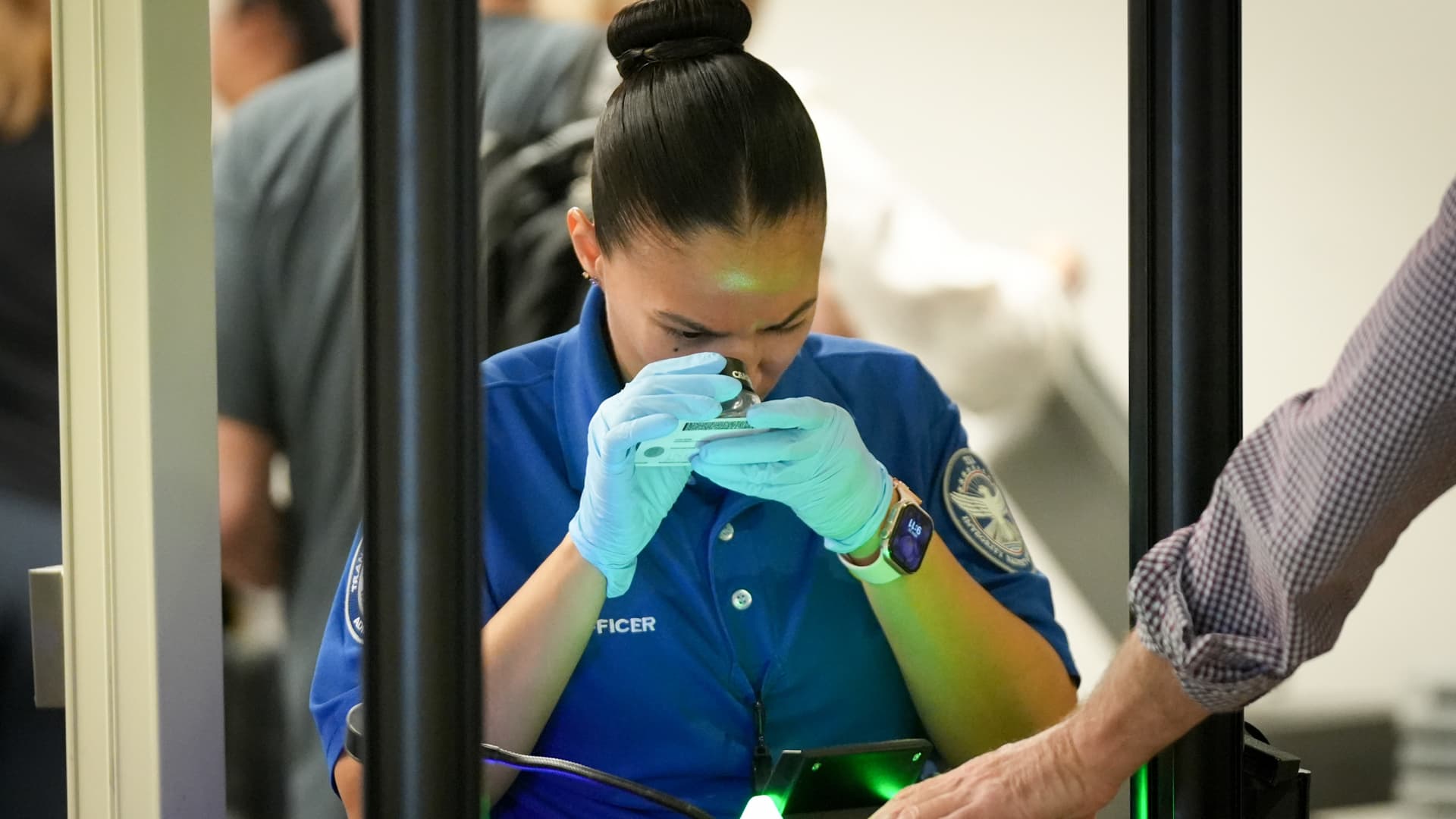
Executive Action Redirects Funds to Maintain TSA Operations During Shutdown
In a move to stabilize airport operations during the ongoing federal government shutdown, an executive order has been issued to authorize salary payments for Transportation Security Administration (TSA) agents. The decision aims to address the growing staffing shortages and operational disruptions that have impacted major U.S. travel hubs as thousands of federal employees continue to work without pay.
To facilitate these payments, the administration is tapping into a $10 billion provision previously allocated for Department of Homeland Security (DHS) border operations. This redirection of funds is intended to prevent further resignations and absenteeism among security personnel, which have threatened to compromise airport safety and efficiency during the legislative impasse.
However, the unilateral nature of this funding strategy has sparked significant debate regarding the limits of executive power. Legal and budget experts are raising concerns about potential violations of the Antideficiency Act, which mandates that federal agencies may only spend funds specifically appropriated by Congress. While the administration points to a Department of Justice memo justifying the use of lump-sum appropriations for emergency purposes, critics warn that this maneuver could establish a problematic precedent for bypassing congressional oversight in future budget disputes.
As the political standoff in Washington persists, the reliance on redirected funds underscores the deepening friction between the executive branch and Congress. With negotiations over immigration enforcement and broader budget allocations remaining deadlocked, the long-term stability of federal agencies remains uncertain. While the executive order provides a temporary reprieve for airport security, the broader question of how to resolve the underlying fiscal conflict remains unanswered.
Key Takeaways
- An executive order has been issued to pay TSA agents using redirected DHS border operation funds to mitigate airport staffing shortages.
- The move has drawn criticism from legal experts who question its compliance with the Antideficiency Act, which restricts unauthorized federal spending.
- The ongoing political stalemate between the House and Senate continues to threaten the stability of federal agencies as budget negotiations remain deadlocked.
Editor’s Analysis & Impact
The decision to bypass traditional congressional appropriation processes to fund federal salaries represents a significant escalation in the struggle for control over the federal purse. By utilizing a Department of Justice memo to justify the redirection of funds, the administration is testing the boundaries of executive authority under the Antideficiency Act. This move provides a necessary short-term fix for airport security, but it risks normalizing the circumvention of legislative budget control. If this precedent holds, it could fundamentally alter the balance of power between the executive and legislative branches, potentially leading to more frequent unilateral fiscal interventions. The long-term implication is a weakened legislative process where budget priorities are increasingly dictated by executive mandate rather than consensus, further deepening the polarization that currently paralyzes Washington.
Frequently Asked Questions
Q: What is the Antideficiency Act?
A: The Antideficiency Act is a federal law that prohibits government agencies from spending or obligating funds that have not been specifically appropriated by Congress for that purpose.
Q: Where is the money for the TSA salaries coming from?
A: The funds are being sourced from a $10 billion provision that was originally allocated for Department of Homeland Security (DHS) border operations.
AI Disclosure: This article is based on verified data and official reports. Our Team and AI have cross-referenced every financial detail with primary sources to ensure total accuracy.
More from this Category