Pentagon Overturns Suspension of Apache Crews Following Kid Rock Flyby
Defense Secretary Pete Hegseth has issued a directive overturning the U.S. Army’s decision to suspend two AH-64 Apache helicopter crews, effectively ending an investigation into a low-altitude flyby near the Nashville residence of musician Kid Rock. The reversal, which immediately restores the pilots to flight status, marks a significant shift in the military’s handling of the incident, which had previously been under scrutiny for potential violations of aviation safety protocols.
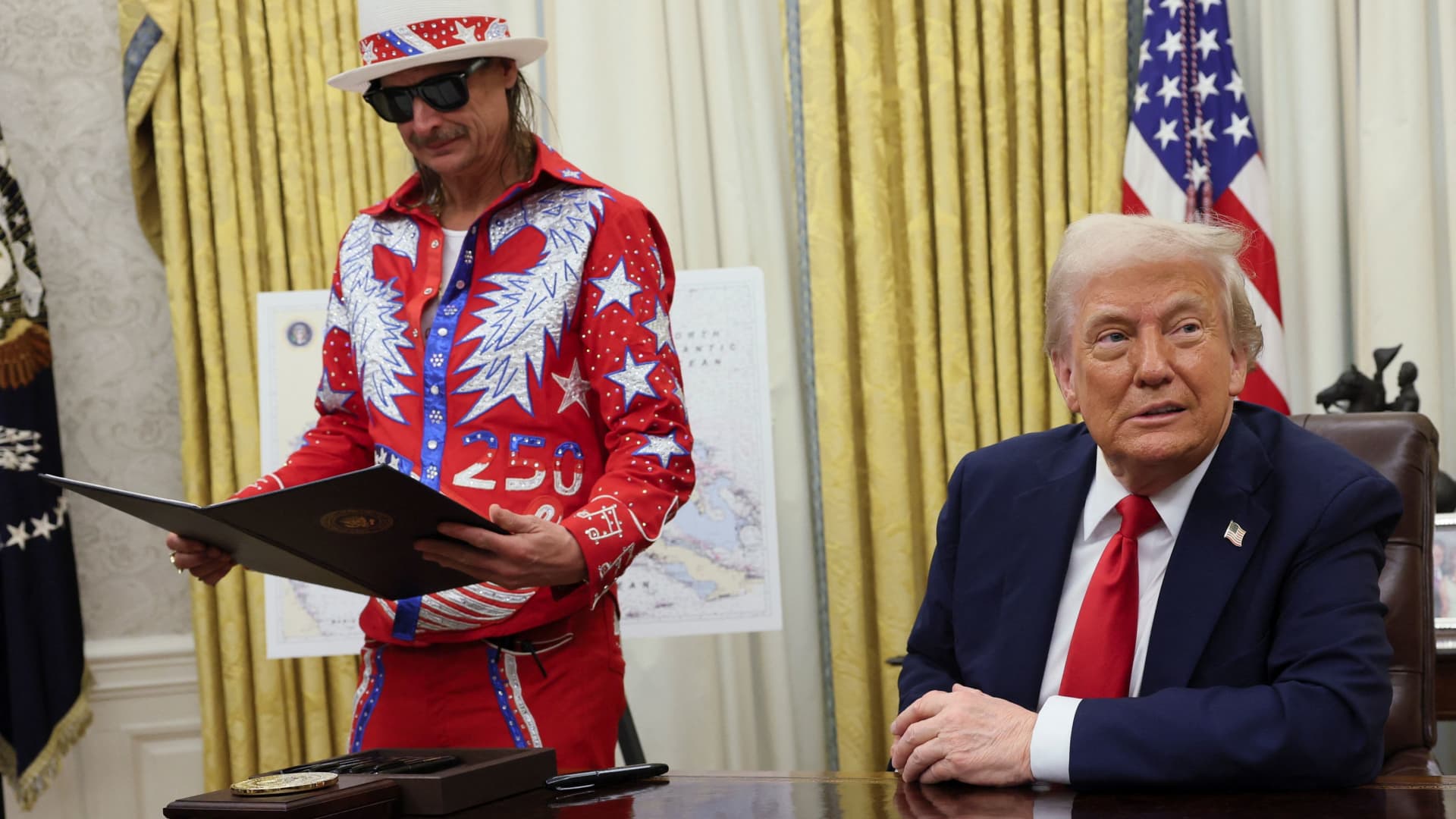
The controversy began when footage surfaced on social media showing the military helicopters hovering near the musician’s home. In the videos, Kid Rock is seen saluting the aircraft, which were identified as belonging to the 101st Combat Aviation Brigade based at Fort Campbell. The flyby occurred during a weekend that also saw military aviation activity over various U.S. cities, including Nashville, where anti-Trump demonstrations were taking place.
Initially, the Army launched a formal inquiry to determine if the crews had adhered to Federal Aviation Administration regulations and internal military safety standards. However, the investigation was abruptly halted following public comments from President Donald Trump. While the President noted that the pilots were likely not intended to be performing such maneuvers, he expressed support for the crews, suggesting they may have been acting out of a sense of loyalty. Shortly thereafter, Secretary Hegseth announced the end of the investigation and the lifting of all disciplinary measures, encouraging the personnel to continue their service.
Key Takeaways
- Defense Secretary Pete Hegseth ordered an immediate end to the investigation into two Apache helicopter crews involved in a flyby near Kid Rock's home.
- The pilots, who were initially grounded by the U.S. Army, have been fully reinstated to their flight duties with no further disciplinary action.
- The decision to drop the investigation followed public remarks by President Trump, who suggested the pilots were acting out of support for the musician.
Editor’s Analysis & Impact
The intervention by the Secretary of Defense in an ongoing military investigation highlights a notable intersection between political influence and military disciplinary processes. By overriding the Army’s standard investigative procedures, the administration has signaled a shift in how it intends to manage internal military accountability. This move raises questions regarding the autonomy of military leadership in enforcing aviation safety protocols when those actions become entangled with political figures or public sentiment. Moving forward, this precedent may complicate the internal culture of the armed forces, as personnel may perceive that political alignment or public perception could influence the outcome of disciplinary reviews. The incident serves as a case study in the tension between maintaining strict operational discipline and navigating the high-profile political landscape that currently surrounds military assets.
Frequently Asked Questions
Q: Why were the Apache helicopter crews initially suspended?
A: The crews were suspended while the Army investigated whether their low-altitude flyby near a private residence violated Federal Aviation Administration regulations and military safety protocols.
Q: What was the final outcome of the investigation?
A: The investigation was terminated by order of Defense Secretary Pete Hegseth, and the pilots were reinstated to their duties without any punishment.
AI Disclosure: This article is based on verified data and official reports. Our Team and AI have cross-referenced every financial detail with primary sources to ensure total accuracy.
More from this Category