Wireless Festival Canceled After UK Government Denies Entry to Kanye West
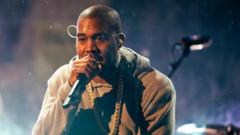
The Wireless Festival in London has been officially canceled following a government decision to deny entry to American artist Kanye West, professionally known as Ye. The UK Home Office rejected West’s Electronic Travel Authorisation (ETA) application, determining that his entry into the country would not be conducive to the public good. This regulatory action effectively forced the cancellation of the event, leaving organizers to process refunds for thousands of ticket holders.
The government’s refusal is rooted in a pattern of controversial behavior by the artist, including documented instances of antisemitic and pro-Nazi rhetoric. Despite West’s attempts to rehabilitate his public image—including a public apology earlier this year—government officials and advocacy groups remained unconvinced. The decision was met with support from organizations like the Community Security Trust, which argued that such rhetoric has no place in public discourse, and received backing from high-ranking political figures, including Prime Minister Sir Keir Starmer.
Festival organizers expressed regret over the cancellation, noting that they had consulted with various stakeholders before booking the artist. While they acknowledged West’s recent stated desire to engage with the Jewish community to demonstrate personal growth, the backlash from advocacy groups and the subsequent government intervention made the event untenable. The cancellation has sparked a broader debate regarding the intersection of artistic freedom, corporate responsibility, and the government’s role in regulating public figures based on their past conduct.
Key Takeaways
- The UK government denied Kanye West entry, citing that his presence would not be conducive to the public good.
- The Wireless Festival was subsequently canceled, with organizers initiating full refunds for all ticket holders.
- The decision received support from government officials and Jewish advocacy groups, while sparking debate over free speech and corporate booking ethics.
Editor’s Analysis & Impact
The cancellation of the Wireless Festival highlights the increasing tension between global entertainment entities and the rising demand for corporate accountability regarding the public conduct of performers. By invoking the ‘public good’ clause to deny entry to a high-profile artist, the UK government has set a significant precedent for how nations may handle international figures whose rhetoric is deemed harmful to social cohesion. For the music industry, this event serves as a cautionary tale regarding the risks of booking controversial talent, suggesting that future contracts may require more stringent ‘morality clauses.’ The incident also underscores the growing influence of advocacy groups in shaping the cultural landscape, as their pressure directly impacted the festival’s viability. Moving forward, artists with histories of hate speech may face significant hurdles in international touring, potentially limiting their global reach and commercial opportunities.
Frequently Asked Questions
Q: Why was Kanye West denied entry to the UK?
A: The UK Home Office denied his Electronic Travel Authorisation (ETA) on the grounds that his presence in the country would not be conducive to the public good, citing his history of antisemitic and pro-Nazi rhetoric.
Q: What happens to those who purchased tickets for the Wireless Festival?
A: The festival organizers have confirmed the cancellation of the event and have initiated a process to provide full refunds to all ticket purchasers.
AI Disclosure: This article is based on verified data and official reports. Our Team and AI have cross-referenced every financial detail with primary sources to ensure total accuracy.
More from this Category