The Great Divergence: How Blockchain Networks Are Defining Their Future Roles
The blockchain landscape is undergoing a fundamental shift as major networks move away from competing solely on transaction costs. With fees reaching historic lows across the board, the industry is entering a new era where competitive advantage is defined by functional specialization, liquidity, and specific use-case utility. This evolution marks a transition from general-purpose scaling to a more nuanced ecosystem of specialized infrastructure.
Bitcoin is leading this charge by expanding its utility beyond a simple store of value. With the vast majority of its supply already in circulation, the network is embracing new programmability features. Through the integration of ZK rollups and frameworks like BitVM, developers are now able to build complex applications that settle directly on the Bitcoin base layer. Furthermore, the emergence of liquid staking protocols is finally unlocking the productive potential of capital that was previously dormant within the ecosystem.
Ethereum continues to solidify its role as the primary settlement and liquidity hub for decentralized finance and the burgeoning market for tokenized real-world assets. As Layer-2 solutions mature into specialized execution environments, Ethereum’s mainnet is increasingly functioning as the bedrock for high-value economic activity. Future protocol upgrades, such as the Glamsterdam hard fork, are designed to further optimize throughput and refine block-building processes to maintain this foundational dominance.
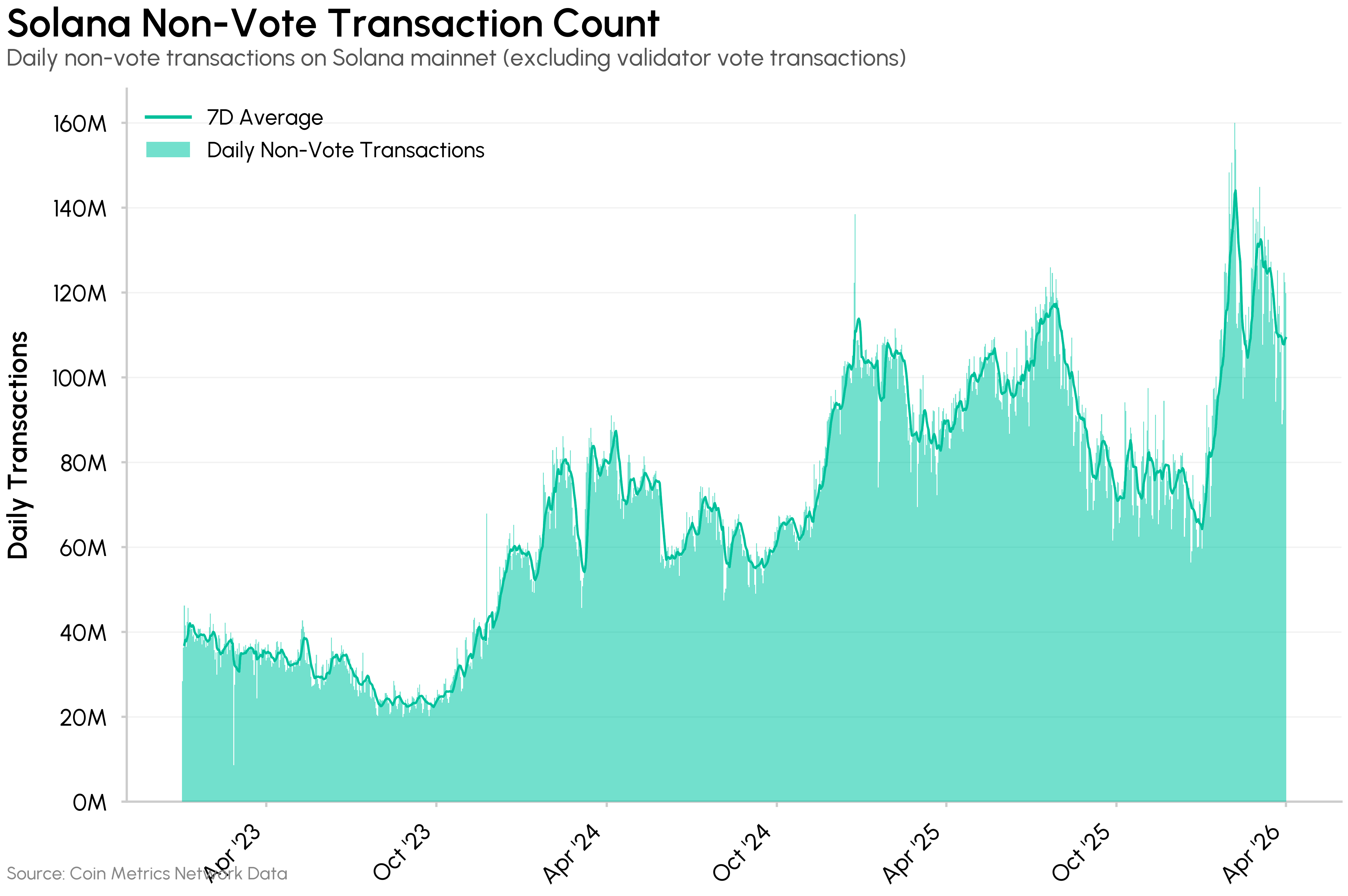
Simultaneously, Solana is establishing itself as the go-to environment for high-frequency, low-latency applications. By prioritizing sub-second finality and robust trading infrastructure, the network has become a magnet for professional-grade trading and payment services. As these networks refine their unique architectural strengths, the industry is moving toward a multi-chain future where specialized platforms coexist to serve diverse economic demands, even as they prepare for the long-term security challenges posed by post-quantum cryptography.
Key Takeaways
- Blockchain networks are shifting focus from low transaction fees to functional specialization and unique utility.
- Bitcoin is evolving into a programmable platform through ZK rollups and BitVM, moving beyond its traditional role as a store of value.
- The industry is trending toward a multi-chain future where Ethereum serves as a settlement hub while networks like Solana dominate high-frequency trading.
Editor’s Analysis & Impact
The blockchain industry is maturing from a ‘winner-take-all’ mentality to a more sophisticated model of architectural specialization. This shift is critical for mass adoption, as it allows different networks to optimize for specific economic needs—such as security and settlement for Ethereum, or high-speed execution for Solana. By moving beyond the ‘gas war’ era, these networks are creating a more resilient and diverse infrastructure. However, this specialization also introduces new complexities regarding interoperability and security standards. As these networks prepare for post-quantum threats, the ability to maintain decentralization while scaling will be the ultimate test. Investors and developers should expect a future where the ‘best’ blockchain is determined by the specific requirements of the application rather than a generalized metric of performance.
Frequently Asked Questions
Q: Why is Bitcoin becoming more programmable?
A: Bitcoin is becoming more programmable through the adoption of new frameworks like BitVM and ZK rollups, which allow developers to build complex applications that settle on the Bitcoin base layer without compromising its security.
Q: What is the primary focus of the Solana network?
A: Solana focuses on high-frequency, low-latency applications, utilizing sub-second finality to attract professional-grade trading and payment services.
AI Disclosure: This article is based on verified data and official reports. Our Team and AI have cross-referenced every financial detail with primary sources to ensure total accuracy.
More from this Category