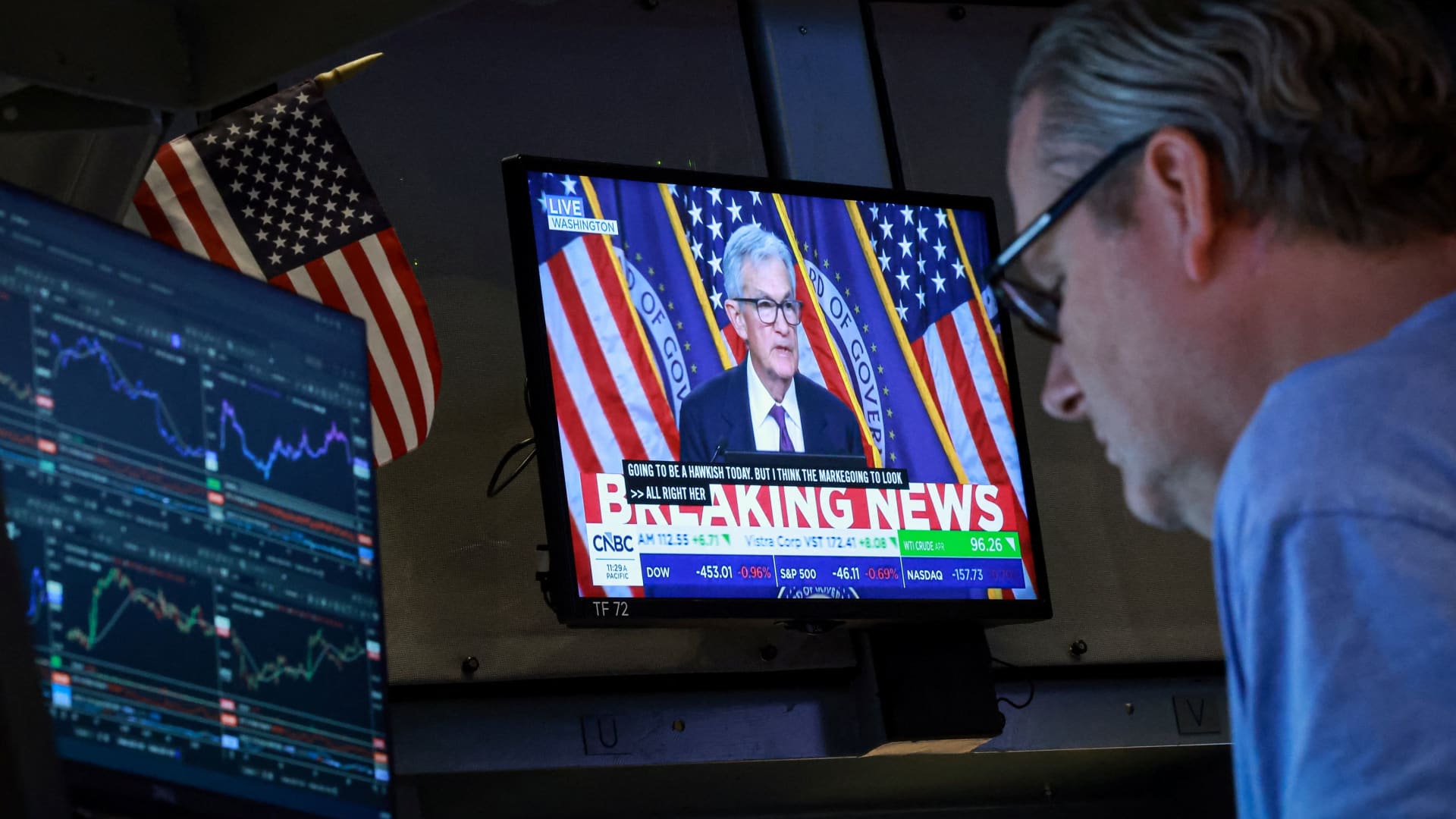
Market Optimism Grows as Geopolitical Stability Fuels Rate Cut Speculation
Global financial markets are experiencing a significant shift in sentiment as regional tensions in the Middle East show signs of easing. This cooling of hostilities has effectively mitigated concerns regarding potential spikes in energy costs, providing investors with a clearer outlook on global monetary policy. The newfound stability has bolstered market confidence, resulting in a dramatic increase in the probability of Federal Reserve interest rate cuts before the end of the year, which has surged from 14% to 43% in just a few days.
For several months, the Federal Reserve has navigated the difficult task of balancing a robust labor market with the objective of returning inflation to its 2% target. Previously, geopolitical volatility served as a significant obstacle, compelling central banks to adopt a hawkish stance to protect against inflationary risks. With the geopolitical landscape stabilizing, the narrative is increasingly shifting toward a more dovish outlook. This transition has sparked speculation that major financial institutions, including the European Central Bank and the Bank of England, may soon find the necessary conditions to begin reducing borrowing costs.
Despite the current wave of optimism, market participants remain disciplined, emphasizing the necessity of concrete economic data before fully committing to a shift in policy. The upcoming releases of the personal consumption expenditures (PCE) price index and the consumer price index (CPI) have become the primary focus for investors. These reports will serve as essential benchmarks for central banks, which are expected to maintain a data-dependent strategy to ensure long-term economic stability before initiating any formal easing cycle.
Key Takeaways
- Market confidence has surged, with year-end Federal Reserve rate cut projections rising from 14% to 43%.
- Reduced geopolitical friction has lowered energy price volatility, shifting the global economic outlook toward a more dovish stance.
- Investors are prioritizing upcoming PCE and CPI inflation data to validate the potential for a formal interest rate easing cycle.
Editor’s Analysis & Impact
The recent pivot in market sentiment highlights the extreme sensitivity of global financial systems to geopolitical volatility. For months, the ‘higher for longer’ interest rate narrative was reinforced by the dual pressures of sticky inflation and the threat of supply-side shocks stemming from regional conflicts. With the immediate threat of energy-driven inflation receding, the market is signaling a transition toward a focus on domestic economic health. However, the reliance on upcoming CPI and PCE data suggests that the ‘soft landing’ narrative remains fragile. If incoming data shows persistent core inflation, the current optimism regarding rate cuts could evaporate quickly. Moving forward, central banks are likely to remain cautious, avoiding premature easing that could reignite inflationary pressures, while simultaneously preparing the market for a potential pivot if labor market data begins to soften.
Frequently Asked Questions
Q: Why are geopolitical tensions linked to interest rate decisions?
A: Geopolitical instability often threatens energy supplies, which can drive up fuel and transportation costs. This creates inflationary pressure, forcing central banks to keep interest rates high to cool the economy and prevent prices from spiraling.
Q: What data are investors watching to confirm potential rate cuts?
A: Investors are primarily focused on the personal consumption expenditures (PCE) price index and the consumer price index (CPI), as these reports provide the most accurate measures of current inflationary trends.
AI Disclosure: This article is based on verified data and official reports. Our Team and AI have cross-referenced every financial detail with primary sources to ensure total accuracy.
More from this Category