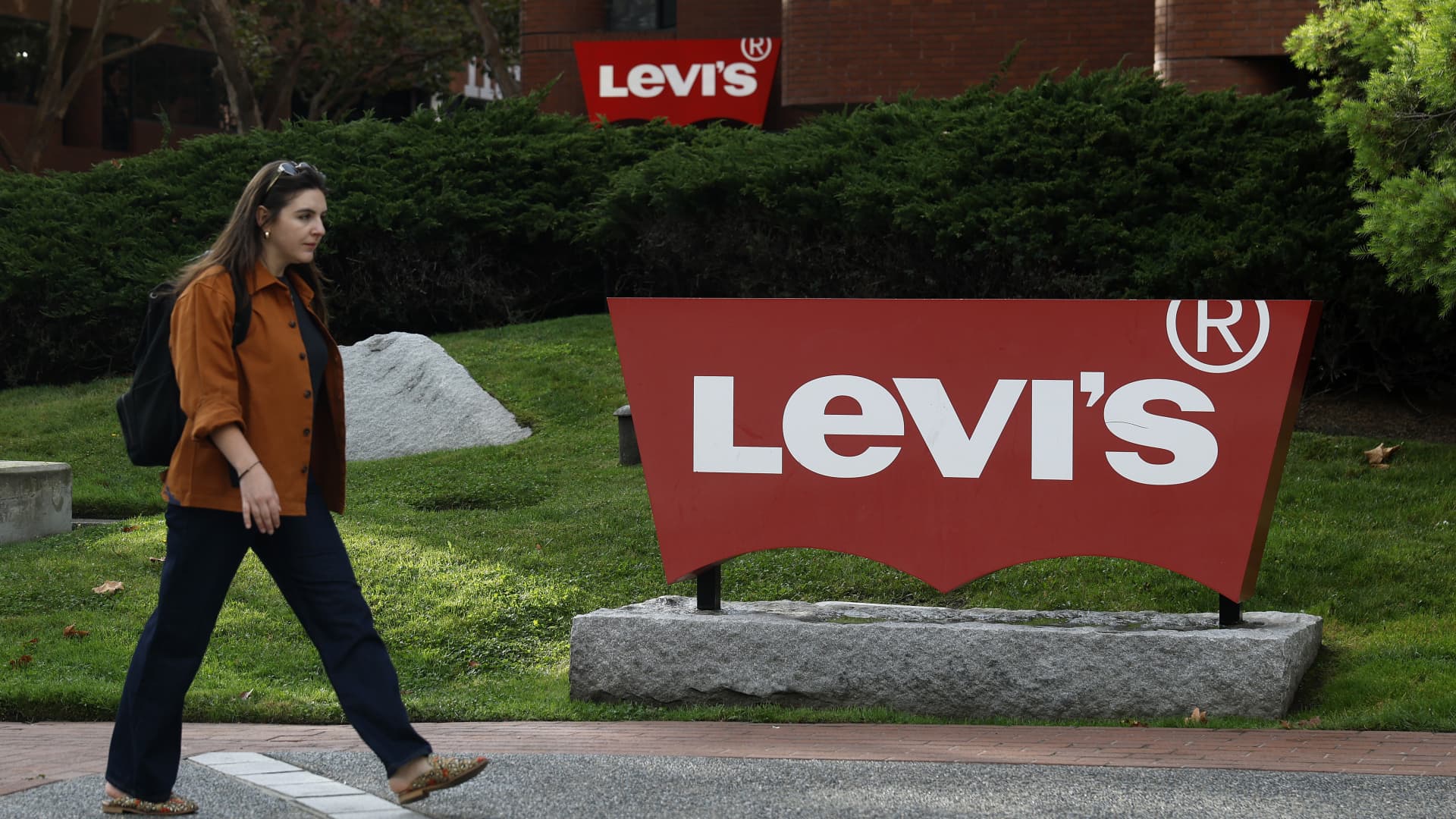
Levi Strauss Shifts Strategy as Direct-to-Consumer Sales Cross Historic Threshold
Levi Strauss has reached a transformative milestone in its corporate history, reporting that direct-to-consumer (DTC) sales now account for more than 52% of its total revenue. This shift represents a fundamental change for the denim giant, which has historically leaned heavily on wholesale partnerships to move its products. By prioritizing its own retail stores and e-commerce platforms, the company is gaining greater control over its brand experience and profit margins.
The company’s latest financial results show a robust performance, with total revenue rising 14% to $1.74 billion. This growth was driven by a balanced mix of increased unit volume and strategic pricing adjustments. Net income also saw a significant boost, climbing to $175.8 million, or 45 cents per share, compared to $135 million in the same quarter last year. This financial momentum has prompted leadership to raise its full-year sales growth projections to a range of 5.5% to 6.5%.
CEO Michelle Gass attributed the success to a diversified brand strategy that caters to a wide spectrum of consumers, from value-conscious shoppers to those seeking premium apparel. With 60% of its operations based outside the United States, Levi Strauss is leveraging its global footprint to mitigate regional risks. Furthermore, the company anticipates a potential $35 million tailwind to its annual earnings, stemming from favorable shifts in global trade policies, even as it continues to invest in the infrastructure required to support its expanding DTC model.
Key Takeaways
- Direct-to-consumer sales now represent over 52% of Levi Strauss's total revenue, marking a historic shift away from wholesale reliance.
- The company reported a 14% revenue increase to $1.74 billion, driven by a balanced combination of higher sales volume and strategic pricing.
- Levi Strauss raised its full-year growth guidance and expects a $35 million earnings boost from favorable changes in global trade policies.
Editor’s Analysis & Impact
The transition of Levi Strauss toward a direct-to-consumer (DTC) model is a textbook example of modern retail evolution. By bypassing traditional wholesale intermediaries, the company is not only capturing higher margins but also gaining invaluable first-party data on consumer behavior. This shift allows for more agile inventory management and personalized marketing, which are critical in the volatile apparel sector. The company’s ability to maintain growth through both volume and price increases suggests strong brand equity, even in an inflationary environment. Looking ahead, the focus on global diversification and the potential benefits from shifting trade policies position the company well to navigate macroeconomic uncertainty. Investors should watch how effectively the company manages the capital expenditures required to scale its digital and physical retail infrastructure against the long-term profitability gains of the DTC model.
Frequently Asked Questions
Q: What does it mean for Levi Strauss to shift to a direct-to-consumer model?
A: It means the company is prioritizing sales made directly through its own branded retail stores and official website rather than relying on third-party retailers or department stores to sell its products.
Q: How is Levi Strauss planning to handle potential economic headwinds?
A: The company is relying on its global diversification, with 60% of operations outside the U.S., and a tiered brand strategy that appeals to different consumer demographics, alongside potential financial benefits from shifting trade policies.
AI Disclosure: This article is based on verified data and official reports. Our Team and AI have cross-referenced every financial detail with primary sources to ensure total accuracy.
More from this Category