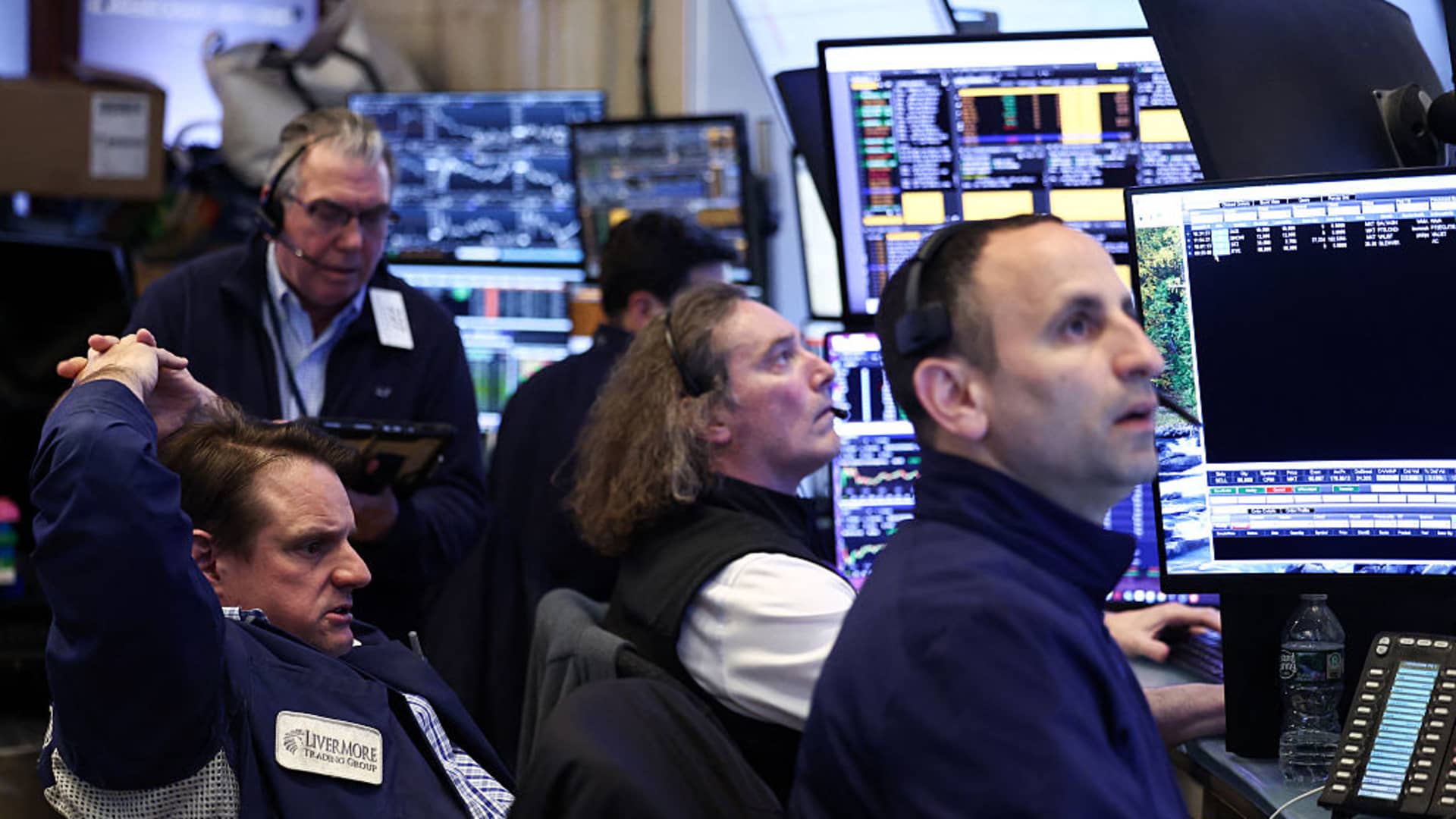
Market Volatility Returns as U.S.-Iran Ceasefire Faces Diplomatic Hurdles
Global financial markets have shifted into a defensive posture as the fragile two-week ceasefire between the United States and Iran encounters significant diplomatic obstacles. Following a period of optimism that saw the Dow Jones Industrial Average surge by over 1,300 points, investor confidence has begun to wane. The initial relief surrounding the reopening of critical shipping lanes in the Strait of Hormuz is now being overshadowed by renewed geopolitical tensions.
The stability of the agreement is currently in jeopardy, with officials in Tehran alleging that the United States has failed to uphold its end of the deal. Specifically, Iranian leadership has cited ongoing military maneuvers in Lebanon and persistent disagreements over uranium enrichment as major points of contention. This resurgence of friction has triggered a negative reaction across international markets, with major Asian indices such as the Nikkei 225, Kospi, and Hang Seng experiencing notable declines as traders prepare for potential instability.
Economic sectors are showing a mixed response to the cooling geopolitical climate. The energy sector has seen a 3.66% downturn, driven by renewed anxieties regarding supply chain security. In contrast, the Dow Jones Transportation Average has reached record highs, supported by strong performance from carriers like Delta Air Lines and Alaska Air. Market participants are now shifting their focus toward upcoming U.S. economic data, including the Federal Reserve’s personal consumption expenditure price index and jobless claims, to determine if the domestic economy can withstand these mounting international pressures.
Key Takeaways
- Global markets are pulling back from recent gains as the U.S.-Iran ceasefire faces renewed diplomatic scrutiny.
- Tehran has accused the U.S. of non-compliance regarding military activities and nuclear policy, threatening the stability of the current accord.
- While energy stocks have declined due to supply chain concerns, the transportation sector continues to show resilience with record-high performance.
Editor’s Analysis & Impact
The current market volatility highlights the extreme sensitivity of global trade to geopolitical developments in the Middle East. The divergence between the energy sector’s decline and the transportation sector’s record performance suggests that investors are currently prioritizing domestic operational strength over macro-geopolitical risks. However, if the ceasefire fully collapses, the resulting supply chain disruptions—particularly in the Strait of Hormuz—could lead to a sustained inflationary spike in energy prices, potentially forcing the Federal Reserve to reconsider its monetary policy trajectory. The upcoming economic data releases will serve as a litmus test for whether the market can decouple from geopolitical noise or if the broader rally is fundamentally vulnerable to international instability. Investors should expect continued high-frequency trading and increased hedging activity until a more definitive diplomatic resolution is reached.
Frequently Asked Questions
Q: Why are global markets reacting negatively to the U.S.-Iran situation?
A: Markets are reacting to the potential collapse of a ceasefire agreement, which threatens the security of critical shipping lanes in the Strait of Hormuz and increases the risk of broader regional conflict.
Q: Which economic indicators are investors watching next?
A: Investors are closely monitoring the Federal Reserve’s personal consumption expenditure price index and the latest U.S. jobless claims to assess the strength of the domestic economy.
AI Disclosure: This article is based on verified data and official reports. Our Team and AI have cross-referenced every financial detail with primary sources to ensure total accuracy.
More from this Category