A New Era: Chairman Kevin Warsh Overhauls Federal Reserve Communication Strategy
The Federal Open Market Committee (FOMC) has signaled a significant shift in its operational philosophy under the leadership of newly appointed Chairman Kevin Warsh. In a move that marks a departure from the communication style of his predecessor, Jerome Powell, the latest policy statement has been drastically condensed. The document, which previously spanned over 300 words, has been reduced to approximately 130 words, prioritizing brevity and directness over the complex forward guidance that characterized previous administrations.
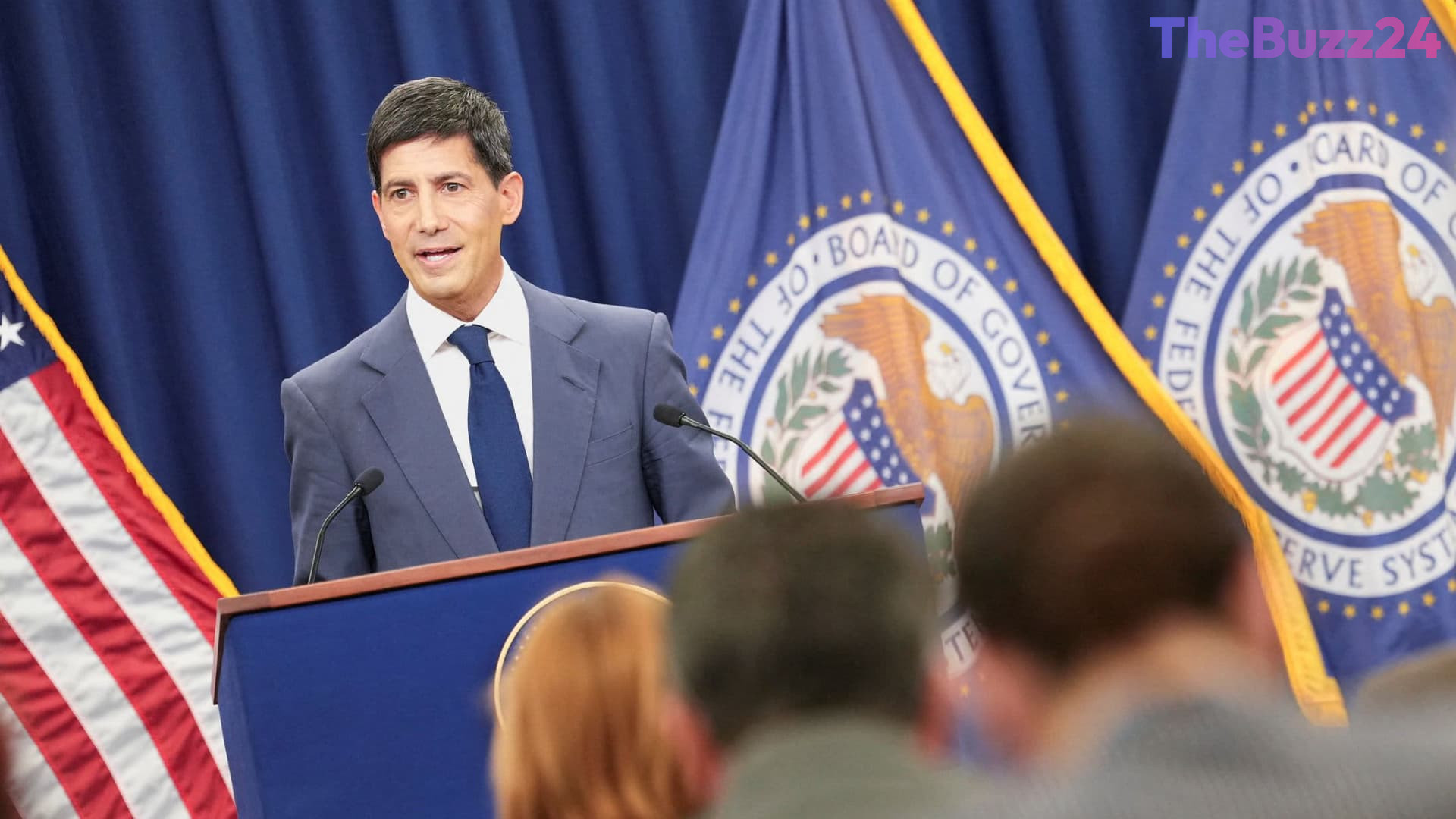
During his inaugural press conference as chair, Warsh emphasized that the decision to strip away forward guidance was intentional, noting that such language is ill-suited for the current economic climate. By removing speculative projections and focusing strictly on current facts, the Fed aims to reduce market entanglement and minimize the potential for policy errors. The new format also streamlines the reporting of voting results, opting for a simple declaration of unanimity rather than the detailed breakdown of individual member positions that had become a staple of recent years.
Market analysts and economists are interpreting these changes as the first tangible steps in Warsh’s promised ‘regime change’ at the central bank. By eliminating the granular details regarding inflation trends and future policy paths, the Fed is moving toward a more minimalist approach to public communication. While the statement maintains a commitment to price stability, the overarching message is clear: the Federal Reserve is pivoting away from managing market expectations through verbose guidance and toward a more disciplined, fact-based reporting structure.
Key Takeaways
- Chairman Kevin Warsh has reduced the FOMC statement length by more than half, prioritizing simplicity over complex forward guidance.
- The new policy removes detailed individual voting records, replacing them with a single declaration of a unanimous decision.
- The shift is part of a broader effort to decouple the Federal Reserve from market speculation and reduce the risk of policy errors caused by over-communication.
Editor’s Analysis & Impact
The overhaul of the FOMC statement represents a fundamental shift in how the Federal Reserve interacts with global financial markets. For years, the central bank relied heavily on ‘forward guidance’ to manage interest rate expectations and calm volatility. By abandoning this practice, Chairman Warsh is signaling a return to a more traditional, reactive monetary policy stance. This move will likely increase short-term market volatility as investors lose the ‘hand-holding’ they have grown accustomed to, forcing them to rely more on raw economic data rather than Fed-provided narratives. If successful, this strategy could restore the Fed’s independence and reduce its influence on daily market fluctuations. However, it also places a higher burden on the market to interpret economic signals without the explicit roadmap previously provided by the central bank.
Frequently Asked Questions
Q: Why did Chairman Warsh remove forward guidance from the FOMC statement?
A: Warsh believes that forward guidance is not well-suited for the current economic environment and that it often entangles the central bank in market speculation, potentially leading to policy errors.
Q: How does the new FOMC statement differ from those under Jerome Powell?
A: The new statements are significantly shorter, lack detailed forward guidance, and no longer provide a breakdown of individual member votes, opting instead for a simple statement of unanimity.
AI Disclosure: This article is based on verified data and official reports. Our Team and AI have cross-referenced every financial detail with primary sources to ensure total accuracy.
More from this Category