Trump Halts DNI Confirmation Hearing, Linking Intelligence Appointments to Legislative Demands
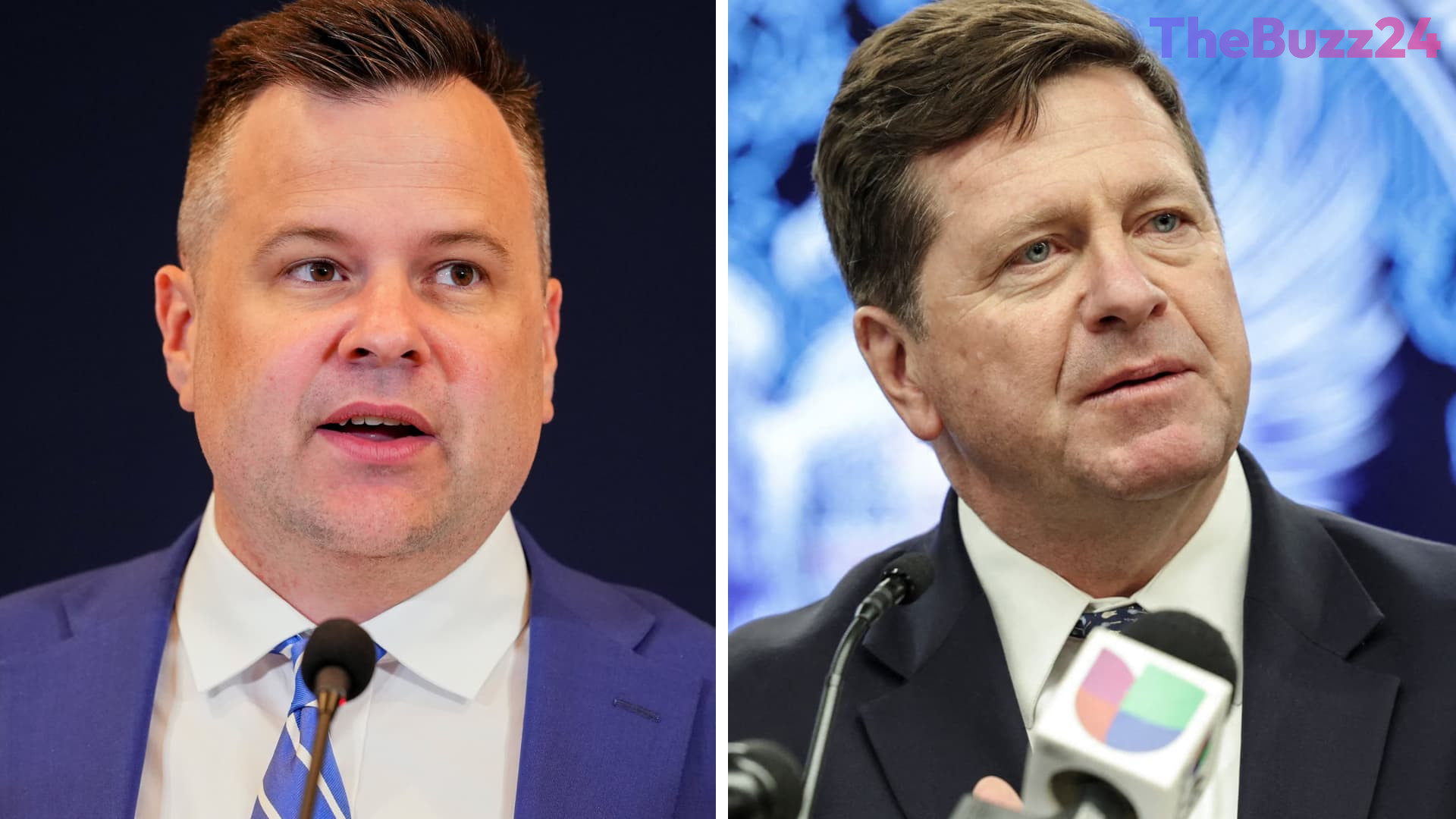
President Donald Trump has abruptly halted the confirmation process for Jay Clayton, his nominee for Director of National Intelligence (DNI), effectively scuttling a scheduled Senate Intelligence Committee hearing. The decision, announced via social media, has introduced significant uncertainty into the Senate’s legislative agenda and the leadership structure of the U.S. intelligence community.
In his announcement, the President stated that the confirmation process for Clayton, currently the U.S. Attorney for the Southern District of New York, would not proceed until Jamie McDonald is approved as his successor. This move ensures that Bill Pulte will continue to serve as the Acting Director of National Intelligence for the time being. The delay has drawn sharp criticism from lawmakers, with Senate Intelligence Committee Chair Tom Cotton expressing regret over the postponement while affirming his support for Clayton’s qualifications.
The stall in the confirmation process carries broader implications for national security, specifically regarding the reauthorization of Section 702 of the Foreign Intelligence Surveillance Act (FISA). This critical authority, which allows for the surveillance of foreign communications, recently lapsed. The path to renewal is now complicated by the President’s insistence that any FISA reauthorization must be paired with the passage of the SAVE America Act, a controversial voter-ID bill that faces stiff opposition from Democrats.
Legislative leaders are now navigating a complex political landscape characterized by internal friction and shifting demands. While some Republicans have expressed frustration over the impulsive nature of the delay, others are attempting to manage the fallout. Senate Majority Leader John Thune indicated that the chamber will proceed cautiously as it seeks clarity on the White House’s ultimate objectives, leaving the future of both the DNI nomination and the intelligence surveillance authorities in a state of flux.
Key Takeaways
- President Trump has indefinitely delayed Jay Clayton's DNI confirmation hearing, citing a desire to prioritize the appointment of Jamie McDonald as his successor.
- The delay has stalled the reauthorization of Section 702 of the Foreign Intelligence Surveillance Act (FISA), which is currently expired.
- The President is now conditioning his support for FISA reauthorization on the inclusion of the SAVE America Act, a move that faces significant resistance from Democratic lawmakers.
Editor’s Analysis & Impact
The sudden disruption of the DNI confirmation process highlights a growing trend of executive-led legislative volatility. By linking a critical national security tool like FISA to unrelated domestic policy goals such as the SAVE America Act, the administration is effectively using intelligence infrastructure as a bargaining chip. This strategy creates a high-stakes standoff that risks alienating moderate lawmakers and complicates the Senate’s ability to function efficiently. The broader implication is a potential degradation of intelligence oversight and operational continuity. If the impasse continues, the intelligence community may face prolonged leadership instability, which could hinder long-term strategic planning and international cooperation. The market and political outlook remains cautious, as investors and stakeholders monitor whether this brinkmanship will lead to a permanent lapse in surveillance capabilities or a forced compromise in the coming weeks.
Frequently Asked Questions
Q: Why was the confirmation hearing for Jay Clayton canceled?
A: President Trump canceled the hearing to ensure that his pick for the Southern District of New York, Jamie McDonald, is confirmed first, while also using the delay to leverage the passage of the SAVE America Act.
Q: What is the status of FISA Section 702?
A: Section 702 of the Foreign Intelligence Surveillance Act has lapsed, meaning the authority for warrantless surveillance of foreign communications is currently inactive.
AI Disclosure: This article is based on verified data and official reports. Our Team and AI have cross-referenced every financial detail with primary sources to ensure total accuracy.
More from this Category