Adobe’s Project Indigo App Integrates AI to Act as a Personal Photography Coach
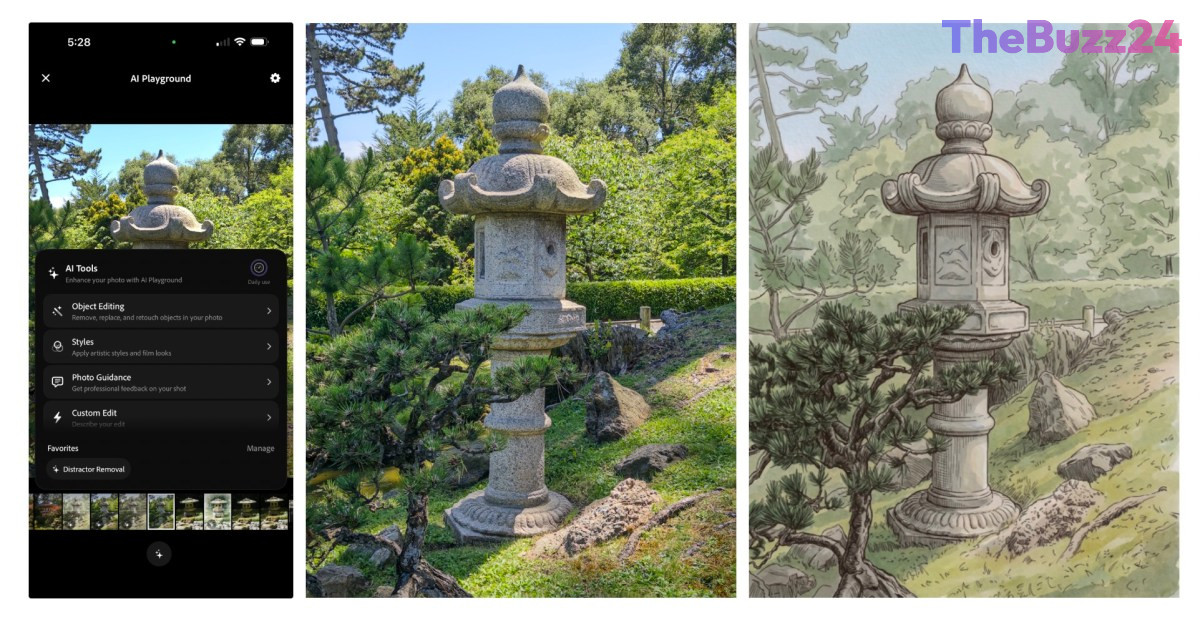
Adobe is expanding the capabilities of its experimental iOS camera application, Project Indigo, by introducing a suite of AI-driven tools designed to act as a digital photography mentor. Led by Marc Levoy, the project aims to move beyond simple generative filters by offering deterministic, actionable feedback on framing, lighting, and composition. The app now features a critique engine that provides professional-grade assessments of a user’s photos, helping photographers understand the nuances of their shots through descriptive analysis rather than vague suggestions.
Beyond critique, the update introduces sophisticated capture and editing assistance. The app can now identify specific elements within a viewfinder—such as distracting background objects, wires, or clutter—and provide real-time suggestions on how to improve the shot before or after it is taken. Furthermore, the application offers direct guidance on how to utilize Adobe Lightroom tools to enhance existing images, effectively bridging the gap between casual mobile photography and professional editing workflows.
Technical enhancements also include advanced object removal, which allows users to toggle the deletion of specific items like vehicles, fences, or people without the need for manual selection. Additionally, the app is testing depth-of-field simulation and various artistic style transfers. While these features are currently housed within an ‘AI playground’ tab and limited to select testers, they represent a significant shift toward using large language models to educate users on photographic principles rather than simply automating the creative process.
Key Takeaways
- Project Indigo now uses AI to provide professional critiques on framing, lighting, and color, acting as a photography coach.
- The app introduces automated object removal that allows users to select specific categories of clutter to delete without manual drawing.
- Adobe is testing these features through an 'AI playground' for select users, utilizing models like Google’s Gemini Nano.
Editor’s Analysis & Impact
Adobe’s approach with Project Indigo signals a strategic pivot in the mobile photography market. By focusing on ‘deterministic’ AI—tools that provide specific, repeatable results rather than unpredictable generative prompts—Adobe is positioning itself as an educator rather than just a filter provider. This has significant implications for the industry; as mobile cameras become more powerful, the barrier to entry for high-quality photography is lowering, but the need for aesthetic judgment remains. If these features are successfully integrated into Adobe’s broader ecosystem, such as Lightroom or Photoshop, it could fundamentally change how amateur photographers learn the craft. However, the success of this initiative depends on whether users value the educational aspect of AI feedback or if they will ultimately prefer the ‘slop’ of instant, one-tap generative transformations.
Frequently Asked Questions
Q: What is Project Indigo?
A: Project Indigo is an experimental iOS camera application developed by Adobe, led by Marc Levoy, designed to test advanced AI features for photography and editing.
Q: How does the new AI critique feature work?
A: The feature uses large language models to analyze a photo's framing, lighting, and color, providing the user with professional-style feedback and suggestions for improvement.
AI Disclosure: This article is based on verified data and official reports. Our Team and AI have cross-referenced every financial detail with primary sources to ensure total accuracy.
More from this Category