Diplomatic Impasse: US and Iran Remain at Odds Following Islamabad Talks
Recent high-level diplomatic negotiations held in Islamabad have concluded without a breakthrough, leaving the international community concerned about the future of the ongoing geopolitical standoff between the United States and Iran. The discussions aimed to address significant points of contention, most notably Tehran’s nuclear program and the security of the vital Strait of Hormuz. While the meeting marked a rare instance of direct dialogue between the two nations, the lack of a formal agreement highlights the deep-seated distrust that continues to hinder progress.
US Vice-President JD Vance characterized the American proposal as a final offer, emphasizing that the primary goal is to secure a binding commitment from Iran to halt its nuclear weapons development. Conversely, Iranian officials, headed by parliamentary speaker Mohammad Bagher Ghalibaf, rejected the terms, labeling them as excessive and unlawful. Tehran maintains that the United States has not taken the necessary steps to build the trust required for a sustainable agreement, further complicating the path toward reconciliation.
Currently, a two-week ceasefire is in effect, providing a temporary reprieve from military escalation. However, the stability of this arrangement remains fragile. With the United States signaling a desire to avoid prolonged negotiations and Iran standing firm on its right to nuclear enrichment, the situation remains highly volatile. International mediators in Pakistan are urging both parties to maintain the ceasefire as global stakeholders watch for signs of either renewed diplomatic engagement or a return to active hostilities.
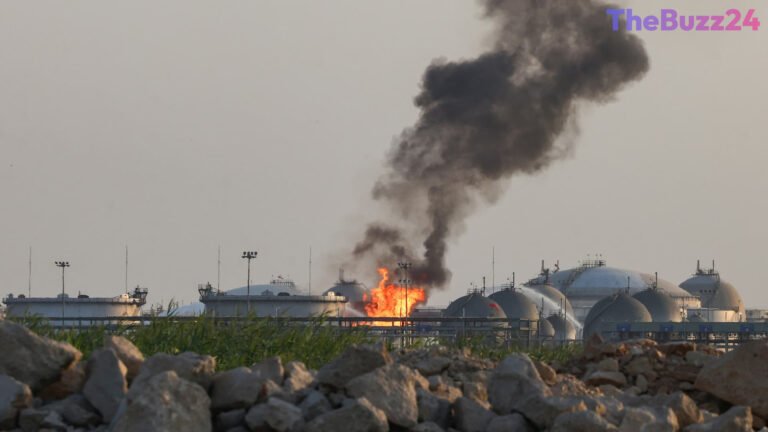
The economic implications of this stalemate are significant, particularly regarding the Strait of Hormuz. As a critical chokepoint for global energy supplies, any uncertainty in the region exerts immediate pressure on energy markets and supply chain stability. As both nations navigate these complex political and psychological barriers, the world remains in a state of uncertainty, waiting to see if this impasse will eventually lead to a breakthrough or serve as a precursor to further regional instability.
Key Takeaways
- High-level talks in Islamabad concluded without a formal agreement, though direct communication channels remain open.
- The US has presented a final offer regarding nuclear non-proliferation, which Iran has rejected as excessive.
- A two-week ceasefire is currently in place, but its longevity is threatened by the lack of a long-term diplomatic roadmap.
Editor’s Analysis & Impact
The failure to reach a breakthrough in Islamabad underscores the profound lack of trust that continues to define US-Iran relations. From a market perspective, the primary concern remains the Strait of Hormuz; any disruption to this critical energy chokepoint would likely trigger immediate volatility in global oil prices. The current ‘wait-and-see’ approach by both Washington and Tehran suggests that neither side is currently prepared to make the significant concessions required for a lasting deal. Moving forward, the stability of the ceasefire will be the primary indicator of whether this conflict remains contained or escalates into a broader regional crisis. The lack of a long-term negotiation strategy from the US, coupled with Iran’s insistence on enrichment rights, suggests that the status quo of ‘managed tension’ is likely to persist in the near term.
Frequently Asked Questions
Q: What were the primary topics discussed during the Islamabad talks?
A: The discussions primarily focused on Iran's nuclear program and the strategic security of the Strait of Hormuz.
Q: Is the ceasefire currently in effect?
A: Yes, a two-week ceasefire is currently in place, providing a temporary pause in military escalation while diplomatic efforts continue.
AI Disclosure: This article is based on verified data and official reports. Our Team and AI have cross-referenced every financial detail with primary sources to ensure total accuracy.
More from this Category