AI Trade at a Critical Juncture: Volatility, Shifting Sentiment Define Market Outlook
The artificial intelligence (AI) sector is currently navigating a critical period, with market observers suggesting it faces a pivotal “now-or-never” moment for a significant rebound. After months of sideways movement in the broader S&P 500 index, which recently dipped to levels last seen in early June, the enthusiasm surrounding AI-related investments has been tested by considerable volatility. Leading AI innovation stocks, as tracked by major ETFs, have experienced sharp declines, followed by partial recoveries, only to give back much of those gains, indicating a period of intense churn and re-evaluation among investors.
This turbulent environment has led to short-term “washout” conditions in key segments like semiconductors and other AI-hardware plays, which previously enjoyed strong momentum. Concurrently, cyclical sectors such as consumer discretionary, industrials, and banking have also suffered double-digit setbacks, primarily due to the impact of elevated bond yields and persistent high oil prices dampening growth expectations. Equity investors have increasingly gravitated towards “quality” and defensive assets, as debt markets have become more stringent in allocating growth capital, particularly for marginal AI data-center projects. This shift is further underscored by a notable change in intermarket relationships, with Treasury yields no longer closely mirroring oil prices, and the S&P 500’s traditional inverse correlation with yields loosening.
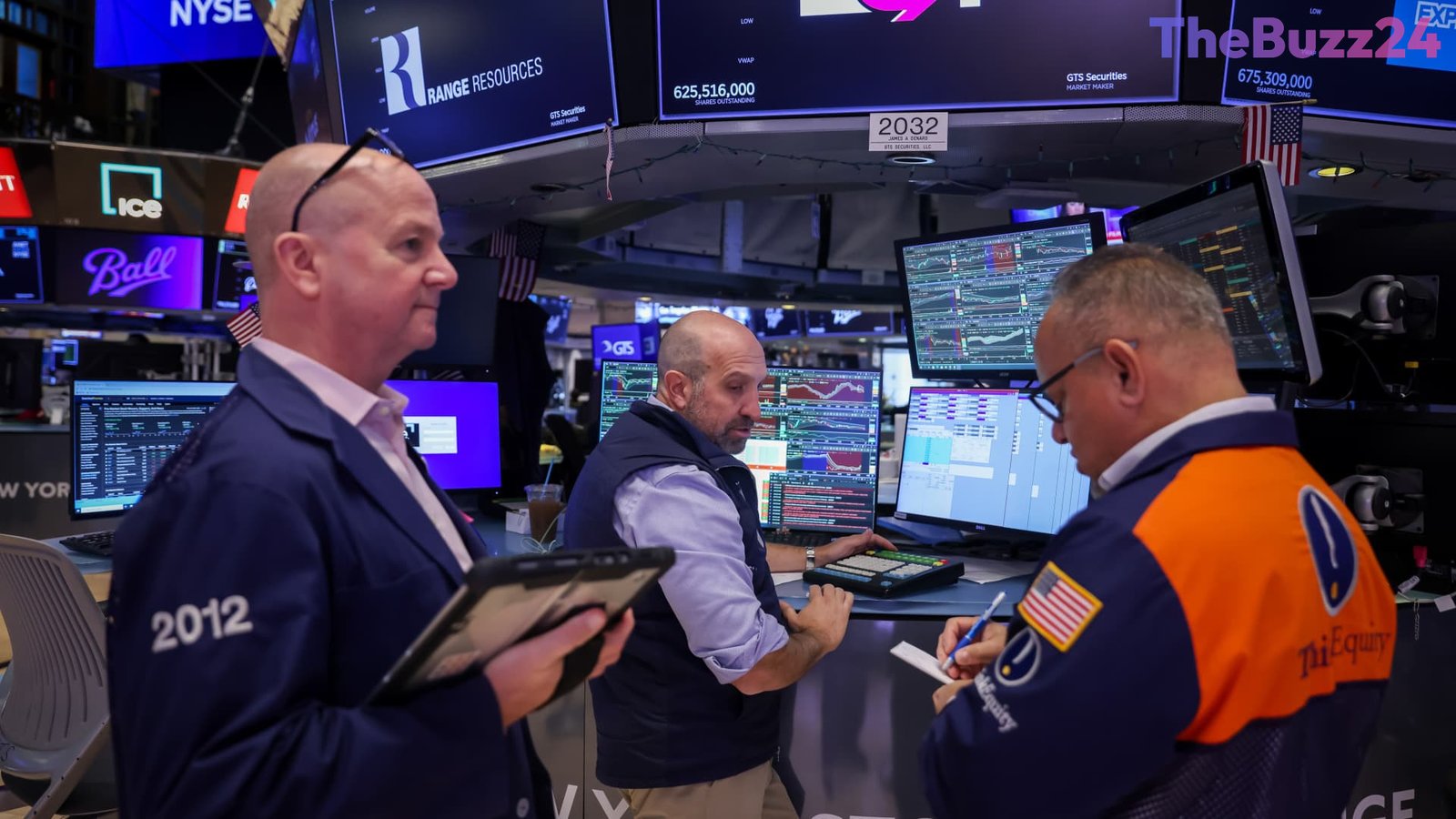
Despite signs of “trader exhaustion” from frequent, large swings in momentum stocks, there are indications that institutional positioning in technology is approaching levels historically associated with tactical rebounds. Hedge funds have reportedly scaled back their leverage and exposure to tech significantly, with broad institutional tech positioning nearing historical lows seen during major geopolitical events. This backdrop sets the stage for crucial earnings reports from mega-cap cloud platforms like Alphabet, Amazon, and Microsoft this week. Furthermore, recent developments, including a robust Anthropic IPO filing, Blackstone’s financing for SpaceX, and Broadcom’s substantial commitment to fund chips for Anthropic, suggest a potential easing of AI funding anxieties. However, a contrasting trend is observed among retail traders, who continue to aggressively buy dips in hard-hit tech stocks, a behavior that historically has not coincided with definitive market bottoms and could potentially limit the strength or durability of any impending rally.
The broader market is exhibiting characteristics often associated with late-cycle tremors, including narrower market leadership, investor reluctance to pay high premiums for rapid earnings growth, a flattening yield curve, and tighter credit conditions. This environment has also seen a striking convergence in valuations, with consumer staples giant Procter & Gamble’s valuation surpassing that of tech behemoth Alphabet. This shift reflects a renewed investor preference for the stability and enduring brands of traditional defensive sectors over the perceived cyclicality and volatility of technology, signaling a potential reordering of market priorities.
Key Takeaways
- The AI sector is at a critical juncture, facing significant volatility and a potential "now-or-never" moment for a rebound after months of sideways market movement.
- Institutional investors are showing caution, reducing tech exposure, while retail traders continue aggressive dip-buying, a behavior not typically associated with market bottoms.
- Shifting market dynamics include a preference for defensive stocks over tech, tighter credit for AI projects, and upcoming mega-cap tech earnings reports as key catalysts.
Editor’s Analysis & Impact
The current state of the AI trade highlights a crucial inflection point for the technology sector and broader markets. The observed “trader exhaustion” and institutional retrenchment suggest a necessary re-evaluation of valuations and growth prospects, potentially setting the stage for a more sustainable rally if upcoming earnings from tech giants like Alphabet, Amazon, and Microsoft deliver strong results. However, the persistent aggressive dip-buying by retail investors, contrary to historical market bottoming patterns, introduces an element of uncertainty regarding the durability of any rebound. The shift towards defensive stocks and tighter credit conditions for AI-related ventures also signals a maturing market cycle, where capital allocation becomes more discerning. The future outlook for AI will heavily depend on these earnings reports and whether the recent funding announcements translate into tangible growth, potentially leading to a more selective and fundamentally driven appreciation rather than a broad-based momentum surge.
Frequently Asked Questions
Q: What is the "now-or-never" moment for the AI trade?
A: This refers to the current critical period where the AI sector, after significant volatility and pullbacks, needs to demonstrate strong performance or positive catalysts (like earnings) to initiate a sustained rebound, rather than falling into prolonged stagnation.
Q: How are institutional and retail investors differing in their approach to AI stocks?
A: Institutional investors, including hedge funds, have significantly reduced their exposure and leverage in tech, showing caution. In contrast, retail traders are aggressively buying dips in hard-hit tech stocks, a behavior that historically has not coincided with major market lows.
Q: What are the key factors influencing the AI sector's outlook?
A: Key factors include upcoming earnings reports from major cloud platforms (Alphabet, Amazon, Microsoft), the easing of AI funding anxieties through recent investments (Anthropic, SpaceX, Broadcom), broader market sentiment, and the ongoing shift in investor preference towards defensive assets amid tighter credit conditions.
AI Disclosure: This article is based on verified data and official reports. Our Team and AI have cross-referenced every financial detail with primary sources to ensure total accuracy.
More from this Category