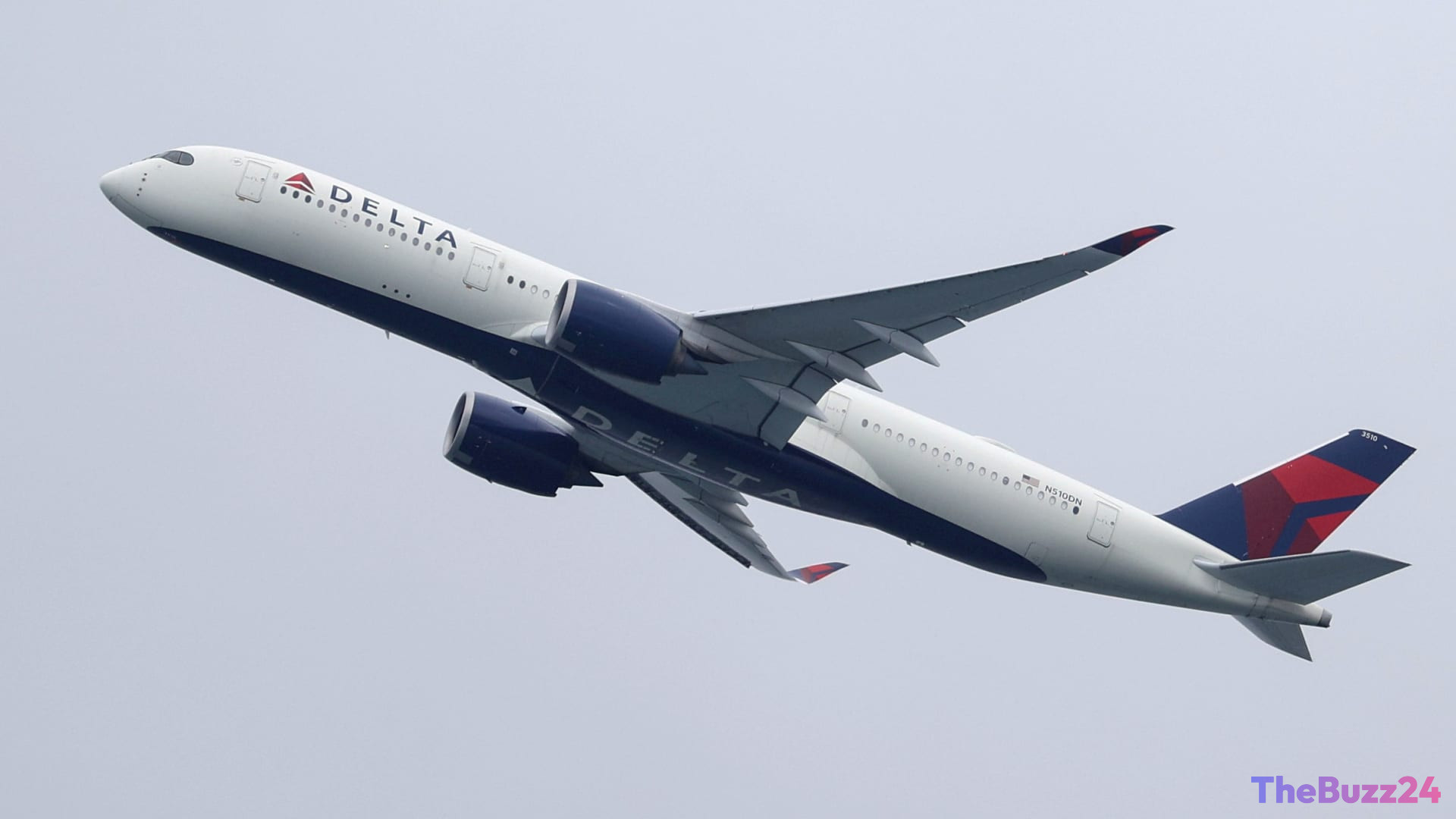
Airline Giants Clash: Delta Aims to Overtake United in Lucrative Pacific Market
Delta Air Lines is setting an ambitious course to become the premier U.S. carrier for trans-Pacific flights, directly challenging United Airlines’ long-standing dominance in this highly profitable sector. Peter Carter, Delta’s president, articulated the airline’s intent to significantly enhance its presence and performance across the Pacific, aiming for nothing less than the leading position among U.S. carriers.
While Delta holds the distinction of being the most profitable U.S. airline overall, its trans-Pacific operations currently lag behind its rival. Last year, Delta reported a net profit exceeding $5 billion, compared to United’s approximately $3.35 billion. However, in the trans-Pacific segment, Delta’s network generated roughly $2.79 billion in revenue, a stark contrast to United’s substantial $6.89 billion. This disparity underscores the strategic importance of the Pacific routes, known for their long-haul nature and premium seating, which command higher fares and contribute significantly to airline profitability.
Both aviation behemoths are actively expanding their international footprints. Delta recently inaugurated nonstop service between Los Angeles and Hong Kong, a move bolstered by its joint venture with Korean Air, which is in the process of merging with Asiana Airlines. United, not to be outdone, is planning a nonstop route connecting its San Francisco hub with Sapporo, Japan, targeting the premium ski travel market. United’s CEO, Scott Kirby, acknowledged Delta’s aspirations, stating he was “flattered” by the competition and expressing his own airline’s desire to outperform Delta in “everything.”
This intensified rivalry highlights a broader industry trend: with the U.S. domestic air travel market reaching maturity, major carriers are increasingly focusing on international expansion as the primary avenue for future growth. The ongoing competition between Delta and United, which collectively account for the majority of U.S. airline industry profits, is expected to drive further innovation and investment in global networks and premium customer experiences.
Key Takeaways
- Delta Air Lines is aggressively pursuing market leadership in trans-Pacific flights, directly challenging United Airlines' current stronghold in this lucrative segment.
- Despite Delta being the most profitable U.S. airline overall, United significantly outperforms it in trans-Pacific revenue, prompting Delta's strategic focus on this region.
- Both carriers are expanding their international networks with new routes and strategic partnerships, signaling a shift towards global growth as the domestic market matures.
Editor’s Analysis & Impact
The declared ambition by Delta to dominate trans-Pacific routes signals an intensified competitive landscape in one of the most profitable segments of global aviation. This rivalry is likely to spur significant investments from both Delta and United in new aircraft, enhanced premium services, and expanded international networks, particularly across Asia. For consumers, this could translate into more route options, potentially better service quality, and competitive pricing on long-haul flights. The broader implication is a strategic pivot by major U.S. airlines towards high-growth international markets, moving away from a saturated domestic environment. Joint ventures, like Delta’s with Korean Air, will become increasingly critical for market penetration and operational efficiency, shaping the future of global air travel connectivity.
Frequently Asked Questions
Q: Why is the trans-Pacific market so important to U.S. airlines?
A: Trans-Pacific flights are highly profitable due to their long-haul nature, allowing airlines to command premium fares and offer numerous high-yield business and first-class seats, which significantly boost revenue.
Q: What strategies are Delta and United employing to gain market share in this region?
A: Both airlines are launching new international routes, investing in strategic joint ventures (like Delta's with Korean Air), upgrading aircraft fleets, and enhancing premium services and global network connectivity to attract high-value travelers.
Q: How do Delta and United compare in overall profitability versus trans-Pacific revenue?
A: Delta is currently the most profitable U.S. airline overall. However, United significantly surpasses Delta in trans-Pacific revenue, indicating its stronger presence and larger network in that specific market.
AI Disclosure: This article is based on verified data and official reports. Our Team and AI have cross-referenced every financial detail with primary sources to ensure total accuracy.
More from this Category