Alphabet Shares Plunge as High-Profile AI Talent Exits and Market Doubts Grow
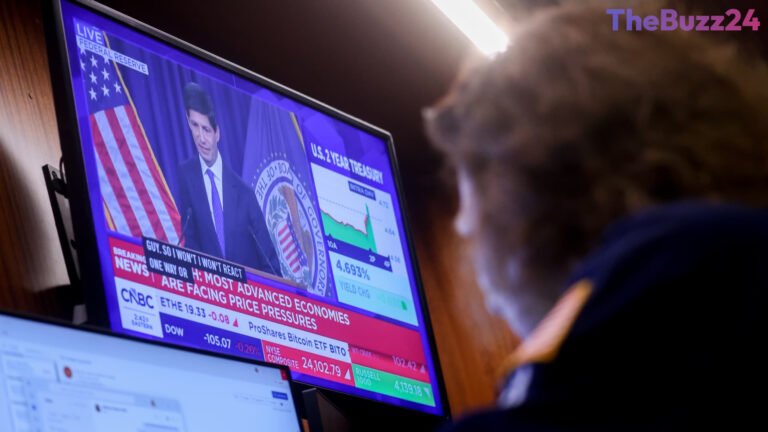
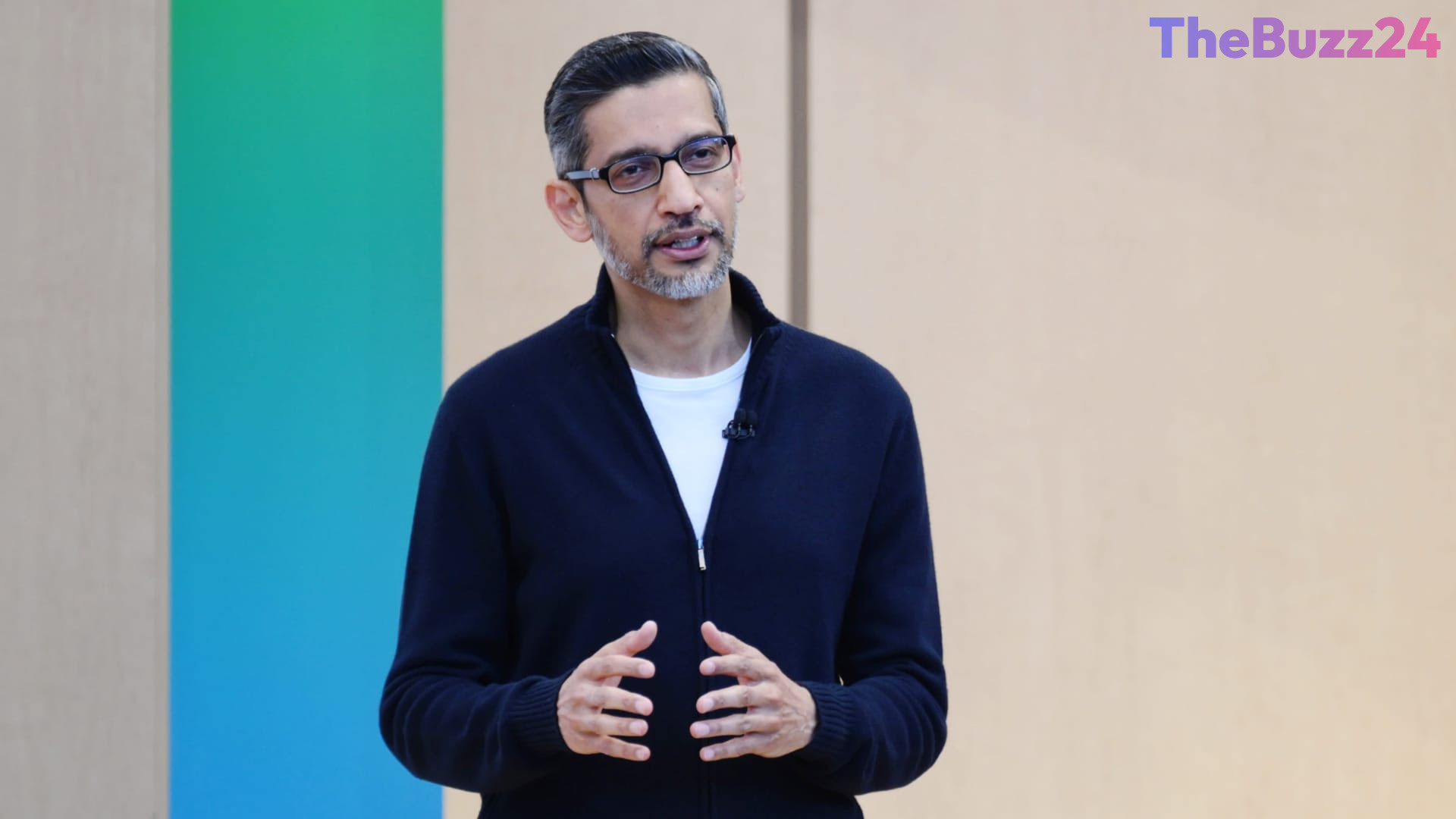
Alphabet Inc. experienced its sharpest stock decline in over a year on Monday, with shares tumbling approximately 5% amid growing anxieties over its artificial intelligence strategy and the sudden departure of key research talent. The sell-off, which marked the company’s steepest single-day drop since May 2025, dragged Alphabet’s performance below both the Nasdaq and its megacap technology peers. The market reaction highlights deepening investor skepticism regarding the massive capital expenditures required to compete in the rapidly evolving AI landscape.
The primary catalyst for the slide appears to be a double blow to Google’s AI division, DeepMind. Noam Shazeer, a vice president of engineering and co-lead of the flagship Gemini AI models, announced his departure to join rival OpenAI. Shazeer’s exit comes less than two years after his high-profile return to Google through a partnership with Character.AI. Adding to the brain drain, John Jumper, a DeepMind vice president and Nobel laureate celebrated for co-creating the groundbreaking AlphaFold protein-prediction model, revealed he is leaving the tech giant to join competitor Anthropic.
Beyond the loss of top-tier talent, Alphabet faces broader macroeconomic pressures and questions about the monetization of its AI investments. The company has aggressively funded its vertically integrated AI stack, raising $141 billion in debt and equity since October. However, industry warnings—including recent assertions by Microsoft CEO Satya Nadella that the AI market is becoming commoditized and that businesses should reduce their reliance on “AI Giants”—have fueled fears that expensive proprietary models may lose their competitive edge. To compound a challenging day, Google also grappled with temporary service outages affecting Gmail and YouTube.
Key Takeaways
- Alphabet shares fell 5% in its worst trading day in over a year, driven by high-profile executive departures and AI market concerns.
- Key AI pioneers Noam Shazeer and Nobel laureate John Jumper left Google's AI divisions to join rivals OpenAI and Anthropic, respectively.
- Investors are increasingly questioning Alphabet's heavy capital expenditures, totaling $141 billion raised since October, amid fears of AI commoditization.
Editor’s Analysis & Impact
Alphabet’s recent market setback underscores a pivotal shift in investor sentiment regarding the generative AI boom. For the past two years, Wall Street rewarded tech giants simply for spending aggressively on AI infrastructure. Now, the focus has shifted to return on investment (ROI) and talent retention. The departures of Shazeer and Jumper to direct competitors like OpenAI and Anthropic suggest that the battle for AI supremacy is as much about human capital as it is about computing power. Furthermore, as AI models become more commoditized and cheaper to run, Alphabet’s massive $141 billion capital raise faces intense scrutiny. If proprietary models lose their pricing power, Alphabet may struggle to justify its ballooning infrastructure costs, potentially squeezing profit margins and forcing a strategic reassessment of its vertically integrated AI stack.
Frequently Asked Questions
Q: Why did Alphabet's stock drop so sharply?
A: Alphabet's stock fell 5% due to a combination of high-profile AI researchers leaving the company for competitors, rising investor concern over the high costs of AI development, and fears that AI technology is becoming commoditized.
Q: Who are the key researchers that left Google?
A: Noam Shazeer, co-lead of the Gemini AI models, left to join OpenAI, while John Jumper, a Nobel Prize-winning co-creator of AlphaFold, departed for Anthropic.
Q: What is the concern regarding AI commoditization?
A: The concern is that as AI models become cheaper, more interchangeable, and widely available, tech giants like Alphabet may not be able to generate high enough returns to justify the billions of dollars they are spending on infrastructure and development.
AI Disclosure: This article is based on verified data and official reports. Our Team and AI have cross-referenced every financial detail with primary sources to ensure total accuracy.
More from this Category