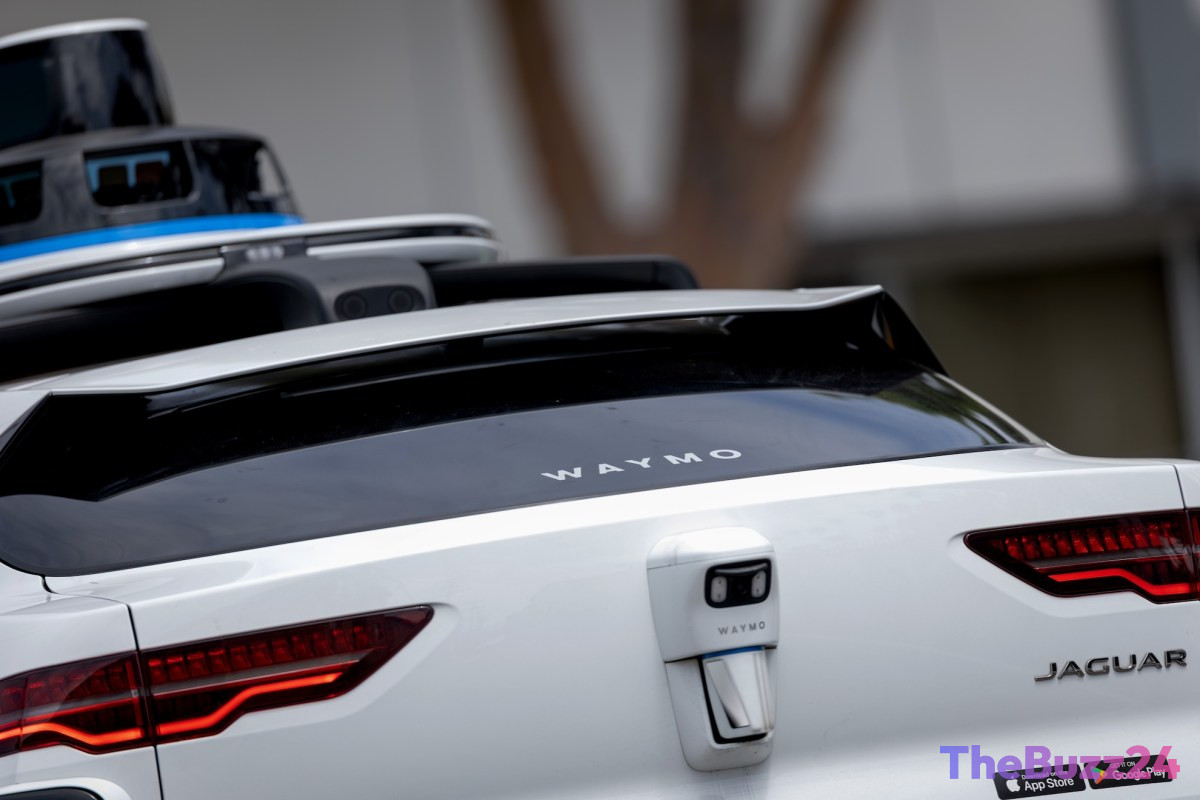
Alphabet’s Waymo Poised to End Uber Robotaxi Collaboration
Alphabet-owned Waymo is reportedly preparing to conclude its partnership with Uber, a collaboration that has integrated Waymo’s autonomous robotaxis into Uber’s ride-hailing network across Austin and Atlanta.
Waymo has communicated its intention to Uber, stating plans to launch its own dedicated app for robotaxi services in these markets beginning January 2028. This independent offering would initially run concurrently with the existing Uber integration before the current contract for Austin and Atlanta officially expires in May 2028. This move follows an earlier separation in Phoenix, where the companies’ robotaxi partnership concluded earlier this year.
The decision to chart a solo course comes after months of escalating friction between the two technology giants. Earlier this year, Uber CTO Praveen Neppalli publicly shared a video, expressing concerns over what he perceived as “unsafe” and “scary” behavior exhibited by a Waymo robotaxi. Furthermore, during an earnings call in May, Uber CEO Dara Khosrowshahi subtly critiqued the performance of autonomous vehicles, implicitly referencing Waymo, particularly concerning their operation in school zones and emergency scenarios.
Beyond operational disagreements, Waymo and Uber have also found themselves on opposing sides in several key policy debates surrounding the regulation of robotaxis. These regulatory skirmishes, coupled with the public criticisms from Uber’s leadership, appear to have contributed significantly to Waymo’s strategic shift towards greater independence in the burgeoning autonomous ride-hailing sector.
Key Takeaways
- Waymo is preparing to terminate its robotaxi partnership with Uber in Austin and Atlanta by May 2028.
- Alphabet's Waymo plans to launch its own ride-hailing app for robotaxis in these markets starting January 2028.
- The decision follows escalating tensions, including public criticism from Uber executives and regulatory disputes between the two companies.
Editor’s Analysis & Impact
This strategic move by Waymo signals a significant shift in the autonomous vehicle (AV) ride-hailing landscape. By opting for an independent operational model, Waymo aims for greater control over its service, brand, and customer experience, potentially intensifying direct competition with Uber, which is also exploring its own AV initiatives. The split highlights the inherent challenges of large-scale partnerships in rapidly evolving tech sectors, especially when differing operational philosophies and regulatory stances emerge. This could accelerate Waymo’s deployment strategies and force other AV developers to reconsider their partnership models, emphasizing the strategic importance of data, customer acquisition, and regulatory influence in the race for AV market dominance.
Frequently Asked Questions
Q: What is the current status of the Waymo-Uber partnership?
A: The partnership currently allows Waymo's robotaxis to operate on Uber's network in Austin and Atlanta. However, Waymo has indicated its intention to end this arrangement by May 2028.
Q: Why is Waymo ending its partnership with Uber?
A: The decision stems from months of increasing tensions, including public criticisms from Uber executives regarding Waymo's robotaxi safety and behavior, as well as disagreements over regulatory policies for autonomous vehicles.
Q: What are Waymo's plans for its robotaxi service after the Uber partnership ends?
A: Waymo plans to launch its own dedicated app for its robotaxi services in Austin and Atlanta starting January 2028, operating independently of Uber's platform.
AI Disclosure: This article is based on verified data and official reports. Our Team and AI have cross-referenced every financial detail with primary sources to ensure total accuracy.
More from this Category