Volkswagen Engineers Accused of $300K Insider Trading Scheme Linked to Rivian Deal
Two engineers employed by Volkswagen have been formally charged by the U.S. Department of Justice with securities fraud, stemming from an alleged insider trading scheme connected to a significant joint venture with electric vehicle manufacturer Rivian.
The indictment, unsealed by the U.S. District Attorney for the Southern District of New York, accuses Michael Stamp and Marcus Plank of profiting over $300,000 by leveraging non-public information. The charges allege that Stamp and Plank purchased Rivian stock and options after gaining knowledge of the planned collaboration between Volkswagen and Rivian, internally referred to as “Project Climb,” but prior to any official public disclosure.
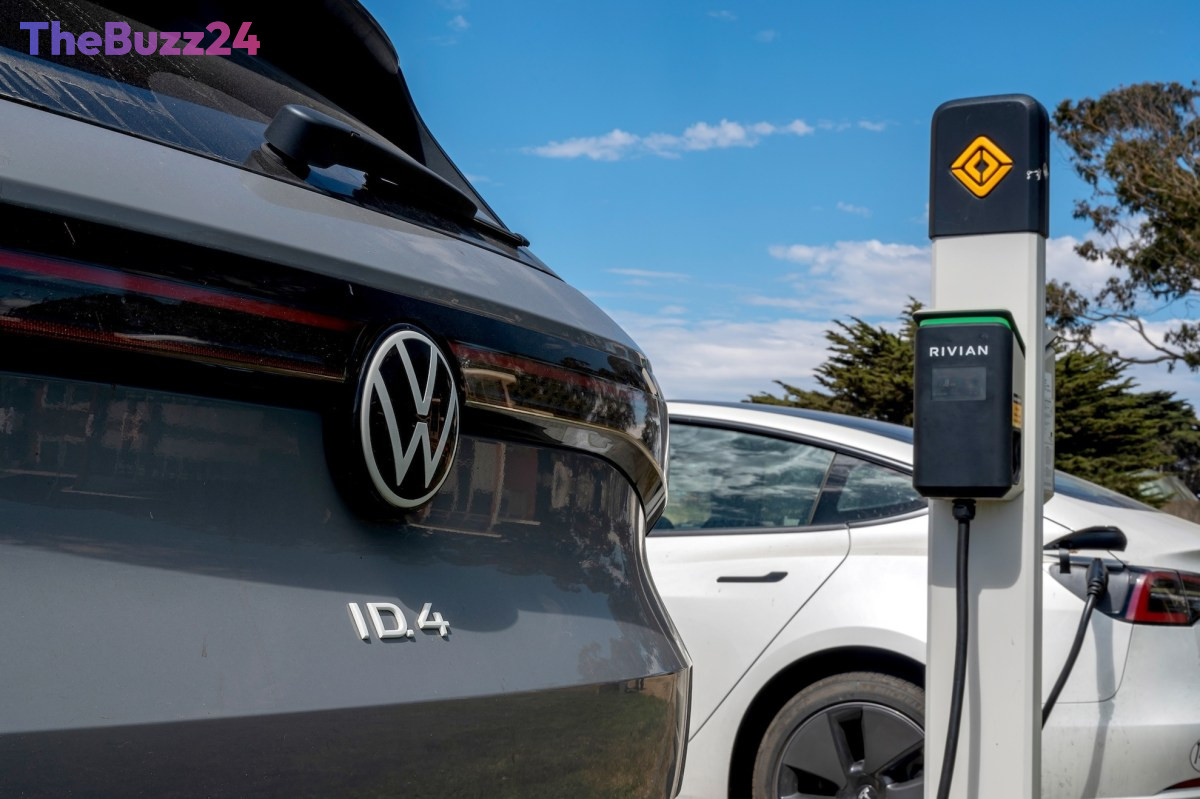
The joint venture, aimed at developing electric vehicle architecture and software, was publicly announced on June 25, 2024. Volkswagen initially pledged a $5 billion investment in Rivian, with subsequent funding tied to developmental milestones. This partnership has since expanded, with Volkswagen becoming Rivian’s largest shareholder and the total investment reaching $5.8 billion.
Following the announcement, Rivian’s stock experienced a notable surge of 23%. According to the indictment, Stamp allegedly realized approximately $250,000 in profits from selling his Rivian holdings, while Plank reportedly made around $50,000, with an additional $12,000 attributed to a close family member of Plank. Investigators highlighted that the engineers’ alleged awareness of their illicit actions was suggested by online searches conducted shortly before the announcement, including inquiries into the statute of limitations for insider trading and the prosecution of such offenses.
Both Stamp and Plank, residents of San Jose, were apprehended and are slated to appear in the U.S. District Court for the Northern District of California. If convicted of federal securities fraud, they each face a potential prison sentence of up to 25 years. Rivian has declined to comment on the matter, while Volkswagen acknowledged the Department of Justice’s action, emphasizing that the charges are directed at specific individuals and do not implicate the company itself.
Key Takeaways
- Two Volkswagen engineers, Michael Stamp and Marcus Plank, have been charged with securities fraud for allegedly engaging in an insider trading scheme.
- The scheme involved using confidential information about Volkswagen's joint venture with Rivian to illegally profit over $300,000 from Rivian stock and options.
- The charges highlight the U.S. Department of Justice's commitment to prosecuting insider trading and protecting market integrity, with the accused facing potential prison sentences.
Editor’s Analysis & Impact
This case underscores the persistent risks of insider trading within corporate partnerships, particularly in fast-moving sectors like electric vehicles. The substantial investment and strategic alliance between Volkswagen and Rivian created a high-stakes environment where confidential information held significant financial value. The alleged actions of the two engineers, if proven, demonstrate a disregard for market fairness and could lead to increased scrutiny of internal compliance protocols at both companies. For the broader automotive and tech industries, this serves as a stark reminder of the importance of robust information security and ethical conduct, especially as complex collaborations and significant financial maneuvers become more common.
Frequently Asked Questions
Q: What is the alleged insider trading scheme?
A: The scheme involves two Volkswagen engineers, Michael Stamp and Marcus Plank, allegedly using non-public information about a joint venture between Volkswagen and Rivian to buy Rivian stock and options before the public announcement, thereby profiting from the subsequent stock price increase.
Q: What is the potential penalty for the accused engineers?
A: If convicted of federal securities fraud, Michael Stamp and Marcus Plank each face a maximum sentence of 25 years in prison.
Q: Does this case involve allegations against Volkswagen or Rivian as companies?
A: According to Volkswagen, the action is focused on specific individuals and does not involve allegations against the company itself. Rivian has declined to comment.
AI Disclosure: This article is based on verified data and official reports. Our Team and AI have cross-referenced every financial detail with primary sources to ensure total accuracy.
More from this Category