Also Pivots from African E-Motorcycle Venture to Autonomous Tech Amid Production Hurdles
Also, a micromobility startup that emerged from Rivian in 2025, recently discontinued an electric two-wheeler pilot project in Kenya. The initiative, which had received grant funding from the Shell Foundation, aimed to facilitate and de-risk the entry of global original equipment manufacturers into Africa’s burgeoning electric vehicle market. The project’s scope included developing modular battery designs, establishing distributed EV charging infrastructure, and creating a purpose-built electric motorcycle specifically for African riders, with aspirations for broader expansion across East Africa.
The decision to withdraw from the Kenyan venture stems from Also’s strategic re-prioritization, opting instead to concentrate its resources on its consumer e-bike offerings and, more critically, its ambitious autonomous vehicle development. Despite the significant potential of Africa’s two-wheeler market, evidenced by companies like Spiro operating over 130,000 electric motorcycles and 2,500 battery-swapping stations across seven countries, Also’s co-founder and president, Chris Yu, stated that the urgency and pace surrounding autonomy, particularly in its partnership with DoorDash, necessitated a full focus. Yu believes that autonomy could first achieve broader scale in purpose-built, smaller vehicles.
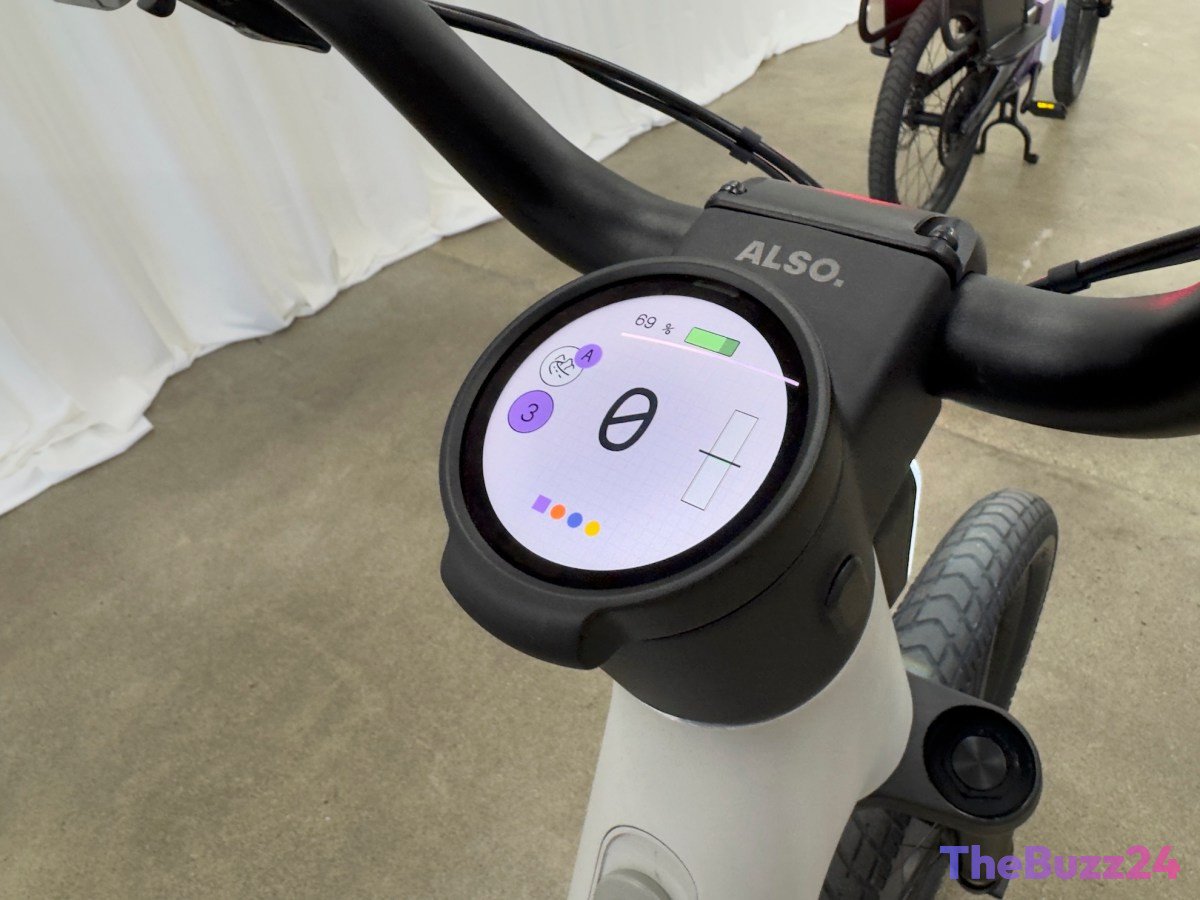
This strategic pivot comes amidst a challenging inaugural year for Also as an independent entity. The company has faced considerable supply chain disruptions, leading to repeated delays in the delivery of its flagship premium e-bike, the TM-B. These delays, coupled with initial communication shortcomings to reservation holders, caused frustration among customers. Yu acknowledged these communication failures, viewing customer feedback as crucial for improvement. The TM-B, described as a “computer on wheels” due to its complexity, encountered issues ranging from competing for raw materials used in AI data centers to navigating intricate certification requirements.
Successfully launching the TM-B is paramount for Also, as it underpins broader aspirations, including plans to develop and sell commercial cargo bikes, potentially four-wheeled models, to major companies like Amazon, and further developing its partnership with DoorDash. While early customers have reported some initial issues with the TM-B, such as delivery damage and battery drain, Also has reportedly improved its communication strategy, working to build goodwill as it addresses the inevitable challenges of a new product launch.
Key Takeaways
- Also, a Rivian spinout, halted its electric two-wheeler pilot project in Kenya to prioritize autonomous vehicle development and its consumer e-bike business.
- The company faced significant supply chain challenges and communication issues during its first year, delaying deliveries of its premium TM-B e-bike.
- Also's strategic shift emphasizes its partnership with DoorDash for autonomous vehicles and future commercial cargo bike opportunities, with the TM-B launch being crucial for its broader ambitions.
Editor’s Analysis & Impact
This strategic pivot by Also highlights the intense competition for resources and the need for sharp focus in the rapidly evolving micromobility and autonomous vehicle sectors. While the African e-motorcycle market presents a vast opportunity, Also’s decision to prioritize autonomous technology, particularly in partnership with a major player like DoorDash, suggests a belief in higher long-term returns and scalability in that domain. The company’s initial struggles with supply chain management and customer communication for its TM-B e-bike underscore the complexities of hardware development and market entry, even for a well-funded startup. Successfully navigating these early challenges and delivering on its core products will be critical for Also to establish credibility and unlock its ambitious plans for commercial cargo bikes and autonomous solutions, potentially setting a precedent for how specialized vehicle companies balance diverse market opportunities.
Frequently Asked Questions
Q: Why did Also discontinue its electric motorcycle project in Kenya?
A: Also decided to reallocate its resources to focus on its core roadmap, specifically the development of its consumer e-bike and, more importantly, its autonomous vehicle ambitions, including a partnership with DoorDash.
Q: What challenges has Also faced since spinning out from Rivian?
A: Also has encountered significant supply chain problems, leading to repeated delays in delivering its TM-B e-bike. The company also acknowledged initial communication failures with customers regarding these delays.
Q: What are Also's future plans beyond its e-bike?
A: Beyond the TM-B e-bike, Also plans to develop and sell commercial cargo bikes, including four-wheeled models, to companies like Amazon, and is actively pursuing its partnership with DoorDash for small autonomous vehicles.
AI Disclosure: This article is based on verified data and official reports. Our Team and AI have cross-referenced every financial detail with primary sources to ensure total accuracy.
More from this Category