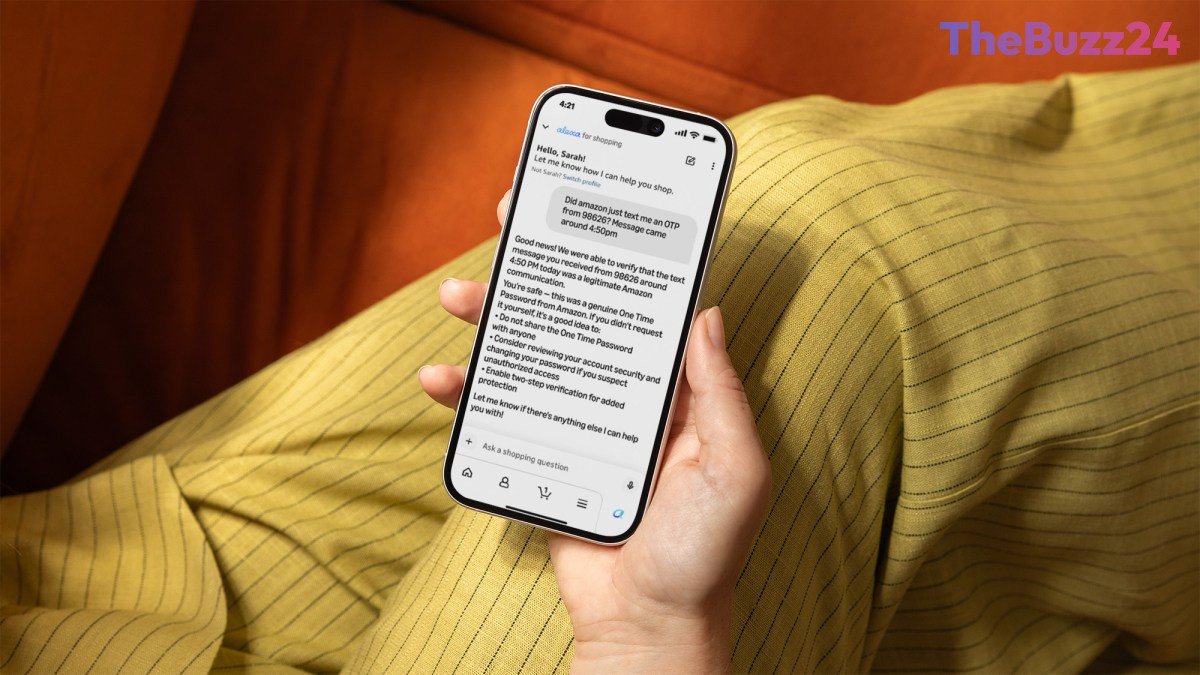
Amazon Deploys Shopping AI to Help Customers Detect and Verify Phishing Scams
In an effort to combat the rising tide of fraudulent communications, retail giant Amazon has integrated new artificial intelligence capabilities into its shopping assistant. The system is designed to help millions of consumers instantly verify whether suspicious emails, text messages, or notifications genuinely originated from the company or are deceptive attempts by scammers.
With hundreds of thousands of users reaching out to customer service annually regarding questionable messages, the new AI tool aims to streamline this verification process. By cross-referencing message metadata, sender details, content, and timing against billions of legitimate communications sent globally, the technology can accurately authenticate official correspondence. Furthermore, the system is designed to continuously learn and adapt as users flag more suspicious interactions.
This anti-fraud rollout builds upon previous company initiatives, such as a dedicated verification email address and online reporting forms designed to help users identify fake order confirmations, delivery alerts, and account warnings. By embedding this protective feature directly into Alexa for Shopping on both web and mobile platforms, the retailer continues to evolve its digital assistant into a proactive shopping and security companion.
Key Takeaways
- Amazon has updated its shopping AI to help customers definitively identify fraudulent messages and scams.
- The AI tool analyzes message metadata, content, and sender information against billions of legitimate global communications.
- The new feature is integrated directly into Alexa for Shopping across both the company's website and mobile application.
Editor’s Analysis & Impact
The integration of scam-detection capabilities into consumer-facing shopping AI marks a significant shift in how major technology and retail platforms handle cybersecurity at the grassroots level. As phishing attempts and digital fraud become increasingly sophisticated, shifting the burden of verification from manual customer service interactions to automated AI tools protects consumers while reducing operational overhead. This move underscores a broader industry trend where artificial intelligence is no longer utilized solely for recommendations and productivity, but as a critical frontline defense in consumer trust and digital safety. Looking ahead, we can expect similar e-commerce and financial platforms to adopt embedded AI authentication features to safeguard their ecosystems against growing social engineering threats.
Frequently Asked Questions
Q: How does Amazon's shopping AI determine if a message is a scam?
A: The AI analyzes the sender information, content, timing, and message metadata, comparing these details against billions of legitimate communications previously sent by the company to confirm authenticity.
Q: Where can users access the new AI verification feature?
A: The feature is built into Alexa for Shopping, which is accessible through both the main Amazon website and the official mobile application.
Q: What types of scams is this technology designed to address?
A: The system helps protect users against common fraudulent tactics, including fake order confirmations, Prime membership renewal alerts, account suspension warnings, package delivery notifications, and job scams.
AI Disclosure: This article is based on verified data and official reports. Our Team and AI have cross-referenced every financial detail with primary sources to ensure total accuracy.
More from this Category