AI Security Startup HiddenLayer Secures $100M to Meet Exploding Enterprise Demand
The landscape of artificial intelligence security has undergone a dramatic transformation over the past few years. What once began as a speculative market with scarce evidence of large-scale attacks has now materialized into a multi-billion-dollar industry. Enterprises are rushing to deploy robust safety measures as they integrate complex AI agents, tools, and add-ons into their production environments. Gartner estimates that corporate spending on AI security products will skyrocket, reaching billions of dollars as organizations look to prevent erratic behaviors and malicious exploits.
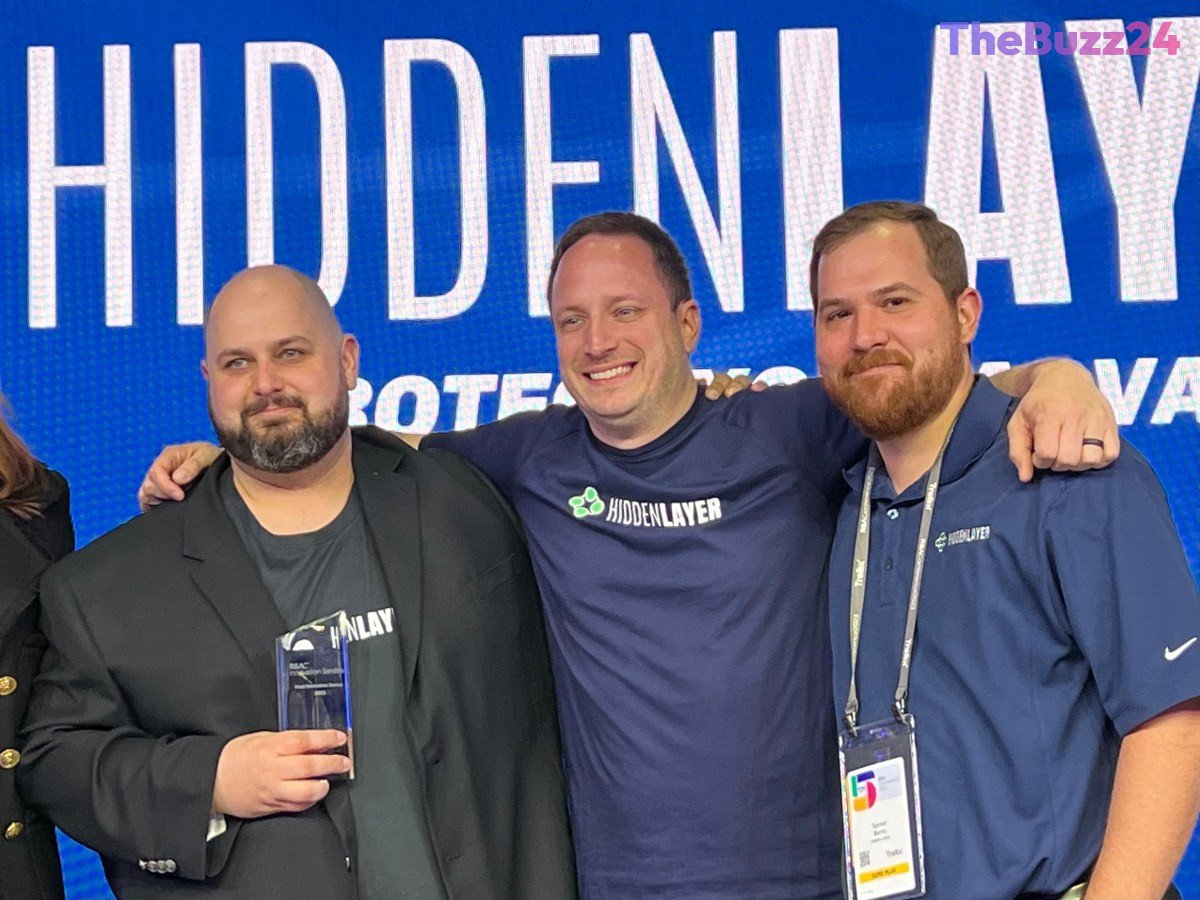
Capitalizing heavily on this market shift is HiddenLayer, a specialized security startup that offers protection for AI models, workflows, and autonomous agents against adversarial threats and malicious code injections. Led by co-founder and CEO Chris Sestito, the Austin-based firm has experienced explosive financial growth, boasting a tenfold increase in annual recurring revenue over the past year. The company’s primary client base spans large financial institutions, major technology firms, defense agencies, and intelligence organizations, highlighting the critical nature of securing enterprise-grade machine learning deployments.
To accelerate its trajectory and capitalize on rising demand, HiddenLayer has successfully raised $100 million in a Series B funding round. The financing was spearheaded by Delta-v Capital, with additional backing from notable venture funds and corporate investors including Morgan Stanley, Microsoft’s M12, Ten Eleven Ventures, and Booz Allen Hamilton. While the startup’s core technological foundation remains rooted in inference security, it has expanded its product capabilities to combat modern vectors like prompt injection, agent manipulation, and deceptive open-source model frameworks.
Looking ahead, HiddenLayer plans to allocate the newly secured capital toward expanding its sales footprint, scaling global distribution channels, and growing its research and engineering divisions, particularly into European and EMEA markets. Although the competitive horizon features formidable challengers and potential acquisition pressures from legacy cybersecurity giants, the company remains focused on scaling vertically alongside the rapid evolution of artificial intelligence while safeguarding the integrity of digital infrastructure.
Key Takeaways
- HiddenLayer raised $100 million in a Series B funding round led by Delta-v Capital.
- The company's annual recurring revenue grew tenfold over the past year amid surging enterprise demand for AI safety tools.
- Gartner estimates that global corporate spending on AI security products will reach billions as organizations race to protect their automated workflows.
Editor’s Analysis & Impact
The massive $100 million infusion into HiddenLayer underscores a broader validation of the AI security sector as a foundational pillar of modern enterprise IT. As organizations transition from experimentation to full-scale AI production, the attack surface expands exponentially, moving beyond traditional software vulnerabilities into prompt injections, agent manipulation, and compromised open-source models. The rapid growth of startups in this space signals an urgent market demand that legacy security vendors may attempt to capture through aggressive mergers and acquisitions. For HiddenLayer, the challenge moving forward will be maintaining its technological edge and customer acquisition momentum as tech behemoths and well-funded competitors race to stake their claims in the burgeoning AI governance and runtime protection market.
Frequently Asked Questions
Q: What does HiddenLayer specialize in?
A: HiddenLayer specializes in AI security, providing tools to protect machine learning models, autonomous agents, and workflows from adversarial attacks, vulnerabilities, and malicious code injections.
Q: Who led HiddenLayer's recent funding round?
A: The $100 million Series B funding round was led by Delta-v Capital, with participation from investors such as Microsoft's M12, Morgan Stanley, Ten Eleven Ventures, and Booz Allen Hamilton.
Q: Why is enterprise spending on AI security increasing?
A: Enterprises are dramatically increasing their security spending due to the growing risks of deploying complex AI agents and models in production, where failures, erratic behavior, and malicious exploits can cause significant operational disruptions.
AI Disclosure: This article is based on verified data and official reports. Our Team and AI have cross-referenced every financial detail with primary sources to ensure total accuracy.
More from this Category