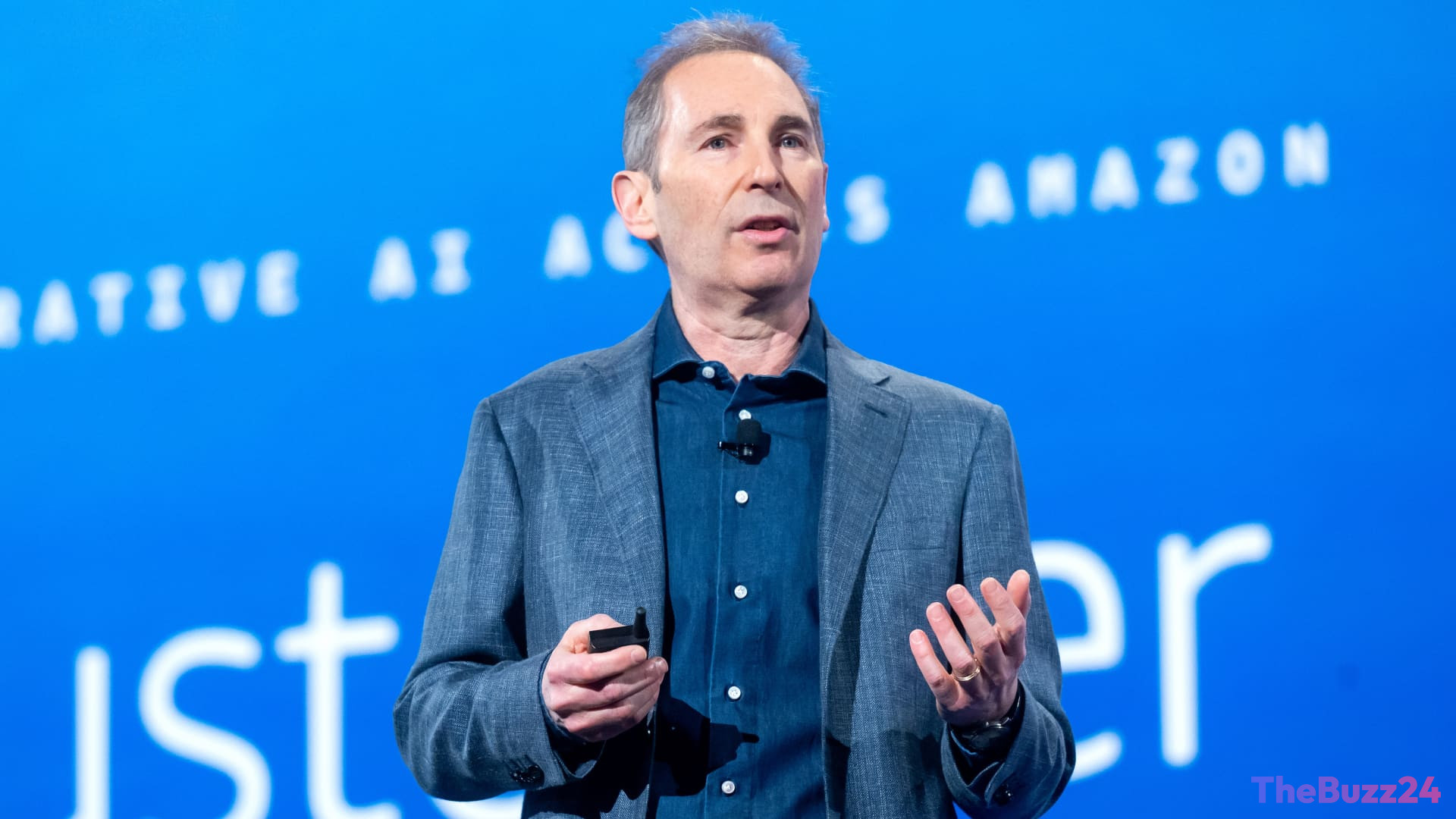
Amazon Outperforms Expectations with Surging Cloud Growth and Massive AI Investments
Amazon delivered a stellar performance for the first quarter, comfortably beating market expectations on both top and bottom lines. Driven by a massive resurgence in its cloud computing division and robust advertising gains, the e-commerce and technology giant saw its stock climb over 4% in after-hours trading. Total revenue reached $181.52 billion, surpassing the projected $177.30 billion, while the company’s outlook for the upcoming quarter also came in stronger than anticipated, with sales projected to land between $194 billion and $199 billion.
The crown jewel of the report was Amazon Web Services (AWS), which recorded a 28% year-over-year revenue jump to $37.59 billion, marking its fastest growth rate in more than three years. This acceleration comes as Amazon aggressively expands its artificial intelligence capabilities. To support this surge, the company has forged strategic AI partnerships with major players like OpenAI, Anthropic, and Meta, while heavily promoting its proprietary custom chips. However, this AI push has come at a significant short-term cost; capital expenditures rose to $44.2 billion, causing free cash flow over the past year to drop 95% to $1.2 billion.
Beyond cloud and retail, Amazon is making massive strides in its satellite internet venture, Leo, aiming to launch commercial services by the third quarter of this year. To bolster this initiative, Amazon announced an $11.57 billion acquisition of Globalstar, securing valuable global spectrum and satellite expertise. This deal also strengthens Amazon’s ties with Apple, which holds a 20% stake in Globalstar and plans to utilize Amazon’s satellite network for future product connectivity.
On the retail front, online store sales grew 12% to $64.3 billion, bolstered by the announcement that the annual Prime Day event will be held earlier than usual in June. Advertising revenue also surged 24% to $17.24 billion, cementing its status as one of Amazon’s most profitable segments. These strong financial results follow a period of aggressive corporate restructuring, with Amazon’s global workforce holding steady at 1.57 million after the company executed planned layoffs of 16,000 corporate employees earlier this year.
Key Takeaways
- Amazon beat Q1 expectations with $181.52 billion in revenue, driven by a 28% surge in AWS cloud sales.
- The company announced an $11.57 billion acquisition of Globalstar to boost its Leo satellite internet service and partner with Apple.
- Heavy capital expenditures on AI infrastructure reached $44.2 billion, causing a temporary 95% drop in free cash flow.
Editor’s Analysis & Impact
Amazon’s Q1 results demonstrate that the massive capital expenditure on artificial intelligence is starting to yield tangible top-line results, particularly through the re-acceleration of AWS. While the 95% drop in free cash flow to $1.2 billion might initially alarm traditional value investors, the strategic necessity of building out next-generation AI infrastructure and the Leo satellite constellation justifies the aggressive spending. By securing Globalstar, Amazon not only gains critical spectrum for direct-to-device connectivity but also establishes a highly lucrative partnership with Apple. Moving Prime Day to June further signals a proactive strategy to pull forward retail revenue and dominate the summer shopping season. Ultimately, Amazon is successfully transitioning from a pandemic-era logistics giant into a lean, AI-driven infrastructure powerhouse.
Frequently Asked Questions
Q: Why did Amazon's free cash flow decrease so significantly?
A: Amazon's free cash flow fell 95% to $1.2 billion due to massive capital expenditures on artificial intelligence infrastructure, data centers, and its Leo satellite internet project.
Q: What is the significance of Amazon's acquisition of Globalstar?
A: The $11.57 billion acquisition provides Amazon with scarce global spectrum and satellite expertise for its Leo internet service, while also establishing a strategic partnership with Apple, which will use the network for device connectivity.
Q: How did Amazon's cloud and advertising divisions perform?
A: AWS revenue grew 28% year-over-year to $37.59 billion, its fastest growth in three years, while advertising revenue jumped 24% to $17.24 billion.
AI Disclosure: This article is based on verified data and official reports. Our Team and AI have cross-referenced every financial detail with primary sources to ensure total accuracy.
More from this Category