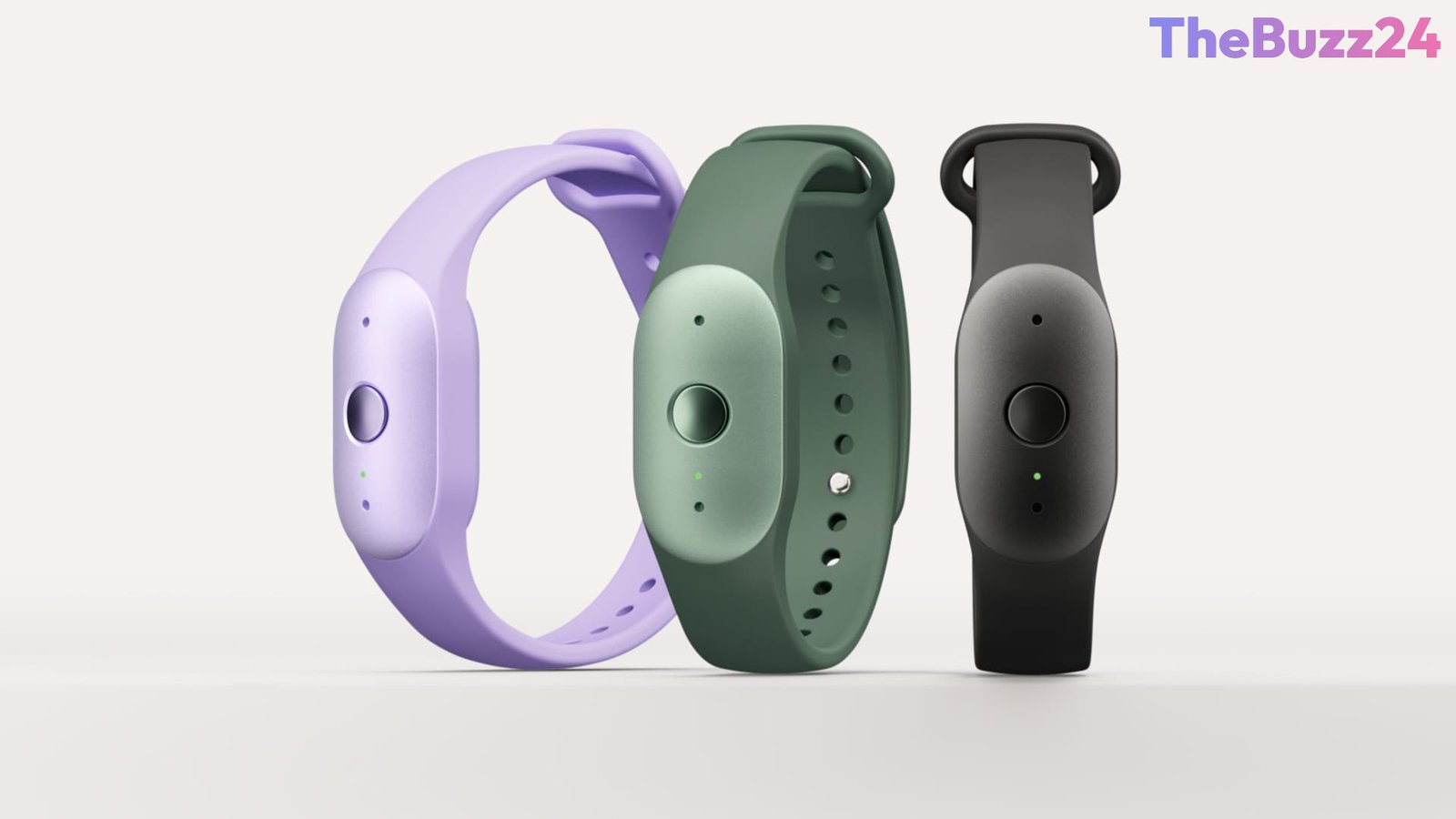
Amazon Expands AI Hardware Portfolio with New Bee Listening Devices
Amazon has officially expanded its artificial intelligence hardware lineup with the introduction of two new Bee devices, signaling a strategic shift toward always-on personal recording technology. The new hardware includes the Bee Frontier, a $75 wearable bracelet, and the Bee Eclipse, a $100 smartphone-attachable voice recorder. These releases represent the first major update to the Bee product line since Amazon finalized its acquisition of the San Francisco-based startup in July 2025.
The Bee Frontier serves as an upgraded iteration of the company’s previous wearable, offering enhanced noise-filtering capabilities through dual microphones designed to isolate speech in chaotic environments like restaurants or busy offices. The device maintains a seven-day battery life and offers versatile wearing options, including wrist-mounting or clothing clips. Meanwhile, the Bee Eclipse introduces a new form factor, featuring a credit-card-sized design that magnetically adheres to the back of a smartphone, providing a more integrated experience for mobile users.
These devices operate on an always-listening model, distinguishing them from traditional voice assistants like Alexa that require a wake word. The technology is designed to record, transcribe, and analyze daily interactions, offering users features such as conversation summaries, trend tracking, and memory recall. To support these capabilities, Amazon is offering a Bee Pro subscription service for $12 per month, which unlocks unlimited summaries and deeper integration with the broader Amazon ecosystem, including Alexa+ and third-party applications.
Addressing potential privacy concerns, Amazon emphasized that the devices are built with a privacy-first architecture, stating that no audio is stored and that users maintain full control over their transcripts and summaries. The hardware includes a physical LED indicator to signal when recording is active. As the holiday season approaches, these gadgets will compete in an increasingly crowded market of AI wearables, facing off against products from competitors like Meta and various specialized AI hardware startups.
Key Takeaways
- Amazon launched the $75 Bee Frontier wearable and the $100 Bee Eclipse smartphone attachment, both featuring always-on AI recording capabilities.
- The devices utilize advanced noise-filtering microphones to transcribe and analyze conversations, offering features like memory recall and trend tracking.
- Amazon is positioning these devices with a $12/month subscription model while emphasizing user privacy through local data management and physical recording indicators.
Editor’s Analysis & Impact
Amazon’s latest hardware push reflects a broader industry trend where tech giants are moving away from passive, wake-word-dependent smart speakers toward proactive, ambient AI companions. By integrating the Bee technology into its ecosystem, Amazon is attempting to capture the ‘personal context’ market—data that is currently fragmented across various apps. The success of these devices will likely hinge on consumer trust regarding privacy; while the company promises local data handling, the ‘always-listening’ nature of the hardware remains a significant hurdle for mainstream adoption. If successful, this could create a new revenue stream through the Bee Pro subscription model and provide Amazon with unprecedented insights into consumer behavior, potentially fueling further advancements in its Alexa+ AI assistant and retail personalization strategies.
Frequently Asked Questions
Q: How do the Bee devices differ from traditional Alexa speakers?
A: Unlike traditional Echo speakers that only listen after hearing a wake word, Bee devices are designed to be always-on, recording and transcribing conversations throughout the day to provide summaries and memory recall.
Q: What happens to the audio recorded by Bee devices?
A: Amazon states that no audio is ever stored and that the devices are designed so that no one, including Amazon, can access the raw data. Users have the ability to delete their transcripts and summaries at any time.
AI Disclosure: This article is based on verified data and official reports. Our Team and AI have cross-referenced every financial detail with primary sources to ensure total accuracy.
More from this Category