SpaceX’s Starshield Under Scrutiny Amid Ukraine’s Defense Concerns
SpaceX’s government-focused satellite network, Starshield, has come under renewed scrutiny following reports from Ukraine detailing new restrictions on its use. Built upon the foundational technology of the commercial Starlink service and leveraging SpaceX’s extensive launch capabilities, Starshield is designed to provide secure satellite communications for national security and government users. The recent developments have highlighted critical differences between the two services and raised questions about control and operational limitations in conflict zones.
Ukrainian officials have accused the service of imposing restrictions without prior notice, specifically citing limitations on Starlink communication systems for terminals moving above 100 miles per hour (approximately 160 kilometers per hour). These reported speed limits have significantly disrupted military operations, particularly the use of drones vital for tracking and intercepting incoming threats. President Volodymyr Zelenskyy lamented the impact, stating that the connectivity disruptions, often occurring in the middle of the night, hindered Ukraine’s ability to intercept Russian attacks, contributing to civilian casualties. He emphasized that these systems are crucial for defense, not just offense.
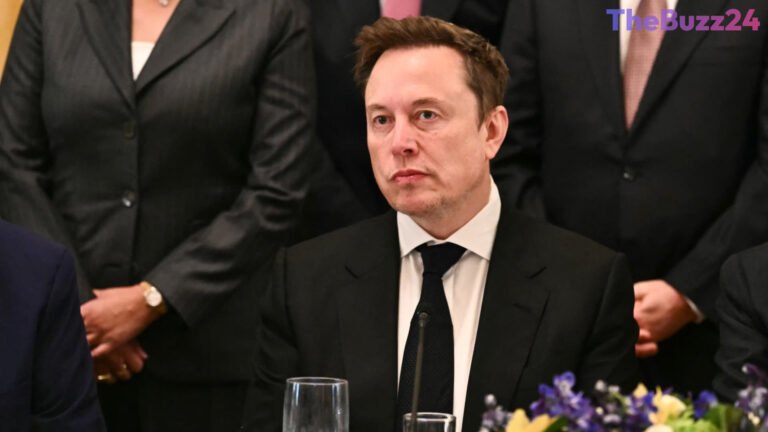
In response to the controversy, SpaceX CEO Elon Musk appeared to attribute responsibility for any changes to Starshield’s deployment in Ukraine to the U.S. government. Musk clarified that Starshield systems are owned and controlled by Washington, with the U.S. military and ultimately the President determining any limits on their use. Unlike the commercial Starlink, which serves consumers and businesses globally, Starshield incorporates enhanced security features, including high-assurance cryptographic capabilities for classified information, dedicated user equipment, and specialized missions such as Earth observation and hosted payloads.
While Starshield relies on Starlink’s extensive satellite network, its distinct purpose is underscored by its robust encryption and specialized terminals for secure government communications. SpaceX has secured over $6 billion in multi-year U.S. government contracts for Starshield, primarily from Space Force, for low Earth orbit communications and sensing constellations. Mykhailo Fedorov, Ukraine’s former defense minister, recently indicated that Starlink connectivity at speeds up to 160 km/h was being restored, but stressed that completely removing Starshield’s speed limit remains critical for Ukraine’s ongoing defense efforts.
Key Takeaways
- Starshield, SpaceX's government satellite network, is facing scrutiny due to reported restrictions impacting Ukraine's military operations.
- Ukrainian officials claim speed limits on Starlink terminals have hindered drone operations and defense against Russian attacks, leading to civilian casualties.
- Elon Musk stated that Starshield systems are owned and controlled by the U.S. government, with the President ultimately determining usage limits.
Editor’s Analysis & Impact
This incident highlights the critical role of private satellite technology in modern warfare and national security, raising significant questions about control and the ethical implications of dual-use technologies. It could influence future government contracts and regulations for private space companies, potentially leading to more explicit contractual agreements regarding service limitations, especially in conflict zones. The situation underscores the complex interplay between commercial interests, national security, and international relations, setting a precedent for how private companies navigate geopolitical conflicts. It also emphasizes the vulnerability of modern military operations to external technological controls, potentially accelerating the development of sovereign satellite communication capabilities or diversifying reliance on multiple providers.
Frequently Asked Questions
Q: What is Starshield?
A: Starshield is SpaceX's secure satellite network designed specifically for government and national security users, leveraging the underlying technology developed for its commercial Starlink service.
Q: How does Starshield differ from Starlink?
A: While both use SpaceX's satellite network, Starshield offers enhanced security features, dedicated user equipment, and government-specific missions like Earth observation and hosted payloads. Starlink, in contrast, is a commercial internet service primarily for consumers and businesses.
Q: Why are Starshield restrictions controversial in Ukraine?
A: Ukrainian officials report that speed limitations on Starlink terminals, potentially related to Starshield services, have disrupted critical military operations, including drone use for defense against Russian attacks. This has raised concerns about civilian safety and the effectiveness of their defense efforts.
AI Disclosure: This article is based on verified data and official reports. Our Team and AI have cross-referenced every financial detail with primary sources to ensure total accuracy.
More from this Category