Amazon Expands Prime Air Drone Delivery to 500 US Cities by 2026
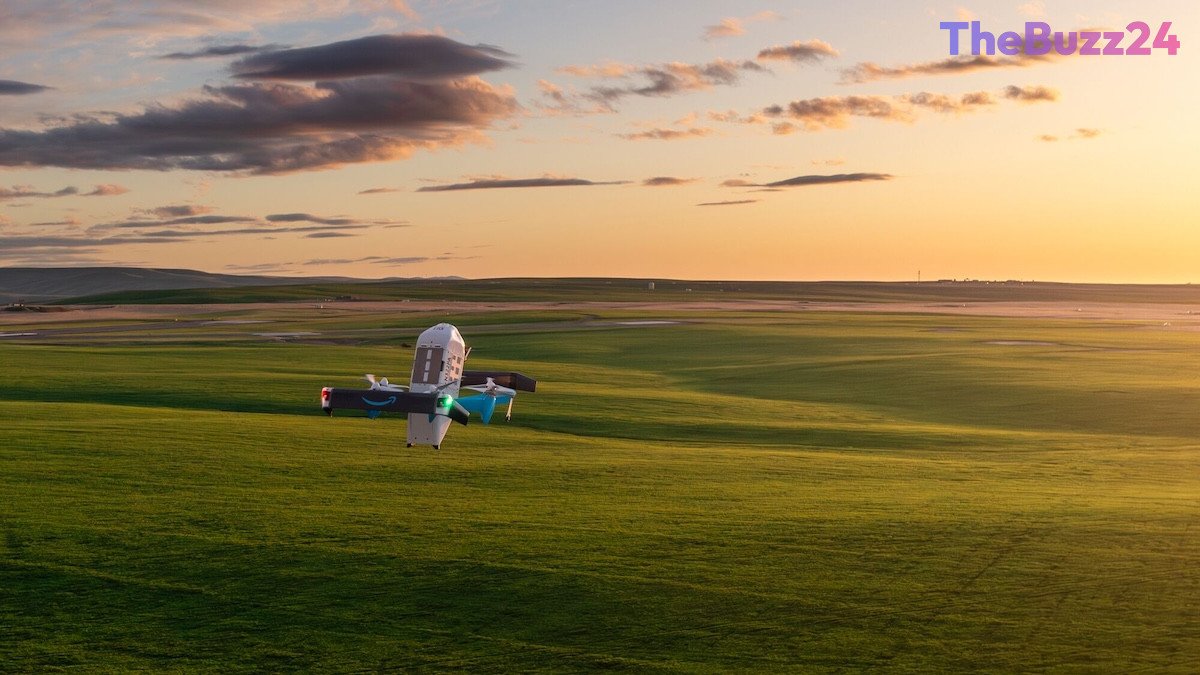
Amazon has revealed ambitious plans to scale up its Prime Air drone delivery network, targeting a footprint of nearly 500 U.S. cities before the close of 2026. This upcoming rollout represents an aggressive sixfold increase from the current operational scale, signaling a major push toward mainstream autonomous logistics. The service is scheduled to launch across 11 new regions, spanning cities in Arizona, Florida, Kansas, Nebraska, Louisiana, Michigan, and Texas.
Despite previous regulatory hurdles and isolated safety incidents—including a high-profile crane collision and minor property strikes—the company remains confident in the reliability of its fleet. Leadership has heavily emphasized the integration of an advanced, proprietary Detect-and-Avoid system. Supported by sophisticated onboard sensors and cameras, these autonomous units are engineered to navigate complex urban airspaces and withstand diverse environmental conditions, such as light rain and fluctuating temperatures, while complying with stringent Federal Aviation Administration Part 135 regulations.
Operating under current frameworks, the service allows Prime members to receive qualifying packages weighing five pounds or less in roughly 30 minutes. While eligible orders over fifty dollars qualify for free ultrafast delivery, smaller orders and non-members are subject to nominal fees. As competitors like Walmart and Alphabet’s Wing continue to grow their own respective aerial delivery networks across major metropolitan areas, this latest multi-state expansion highlights the escalating race to dominate the automated last-mile delivery market.
Key Takeaways
- Amazon plans to expand Prime Air to nearly 500 U.S. cities by the end of 2026, marking a sixfold increase in its current reach.
- The service utilizes an advanced Detect-and-Avoid system and operates under FAA Part 135 certification to ensure safety and regulatory compliance.
- Prime members can receive eligible items weighing under five pounds in as fast as 30 minutes, intensifying competition with rivals like Walmart and Alphabet's Wing.
Editor’s Analysis & Impact
Amazon’s aggressive scaling of its Prime Air initiative marks a critical turning point for the autonomous logistics and last-mile delivery sector. By targeting 500 cities by 2026, Amazon is not only attempting to outpace key competitors like Alphabet’s Wing and Walmart but is also testing the limits of public and regulatory acceptance for urban drone operations. While technological enhancements like advanced Detect-and-Avoid systems aim to mitigate past safety concerns, widespread consumer adoption will heavily depend on reliability, low incident rates, and seamless integration into local airspace regulations. If successful, this multi-state expansion could permanently redefine consumer expectations for speed, shifting ultra-fast delivery from a luxury novelty to an expected e-commerce standard.
Frequently Asked Questions
Q: How fast are Amazon Prime Air drone deliveries?
A: Deliveries can arrive in as fast as 30 minutes for eligible items weighing 5 pounds or less.
Q: What regulatory certification does Amazon Prime Air operate under?
A: Prime Air operates under Federal Aviation Administration (FAA) Part 135 certification, which is the same regulatory framework utilized by commercial air carriers.
Q: How much does the drone delivery service cost for customers?
A: Prime members receive free ultrafast drone delivery on eligible orders of $50 or more. For Prime members with orders under $50, the fee is $2.99, while non-Prime customers pay a $4.99 delivery fee.
AI Disclosure: This article is based on verified data and official reports. Our Team and AI have cross-referenced every financial detail with primary sources to ensure total accuracy.
More from this Category