Tech Giants Challenge Duopoly in India’s Digital Payments Landscape
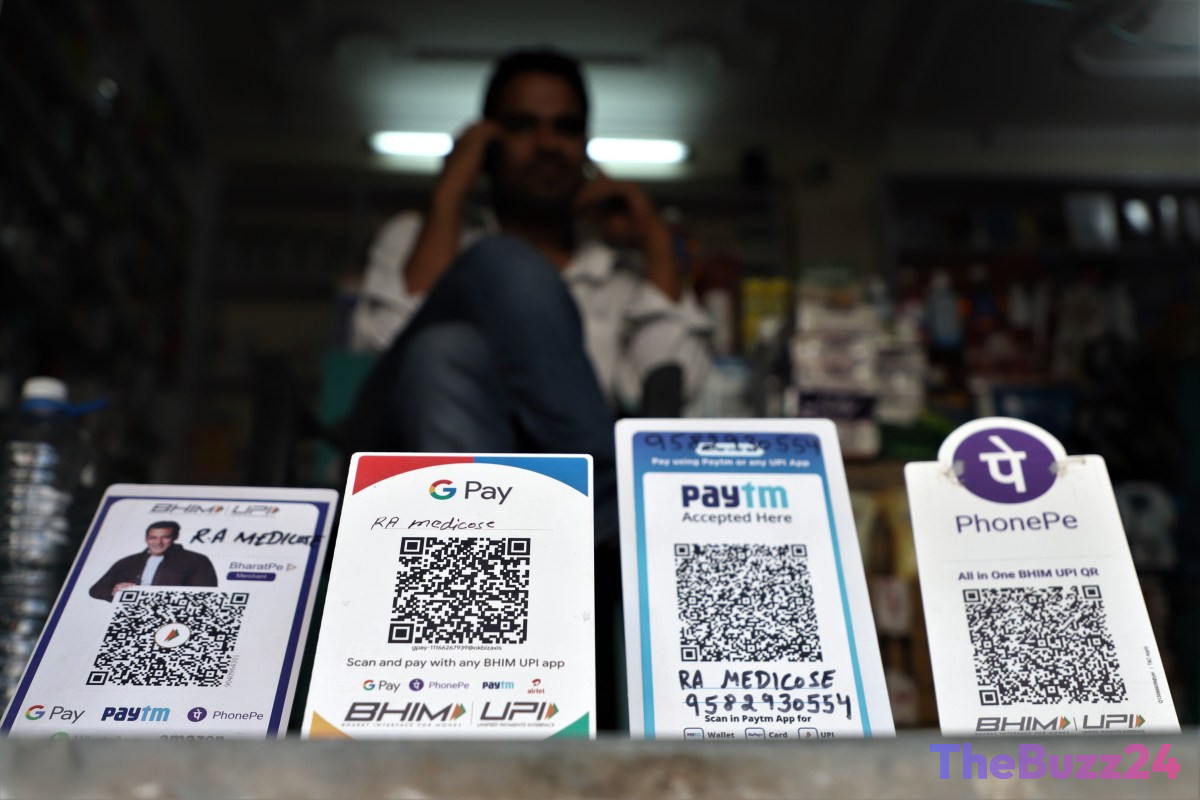
Major technology firms, including Amazon and Meta, are intensifying efforts to challenge the overwhelming market dominance of Google Pay and PhonePe within India’s Unified Payments Interface (UPI) ecosystem. Representatives from several prominent platforms, such as Amazon Pay, WhatsApp, CRED, MobiKwik, and Super.money, are set to engage in high-level discussions with the National Payments Corporation of India (NPCI) to address concerns regarding fair competition.
The push for regulatory intervention follows the government’s decision to defer a 30% market share cap on UPI apps until the end of 2026. This delay has allowed Google Pay and PhonePe to maintain a combined control of approximately 80% of the network’s monthly transaction volume, which currently exceeds 22 billion transactions. Smaller competitors argue that this concentration of power creates an uneven playing field, making it increasingly difficult for new or smaller entrants to gain traction.
During the upcoming consultations, industry participants are expected to propose stricter oversight on user acquisition strategies, data usage, and product design. Key points of contention include the methods dominant apps use to onboard users and the accessibility of advanced features like autopay. While the NPCI faces the difficult task of fostering competition without disrupting the seamless service relied upon by millions of Indian citizens, the collective lobbying effort signals a growing industry consensus that the current market structure requires reform to ensure long-term innovation and equity.
Key Takeaways
- Amazon, Meta, and other tech firms are lobbying the NPCI to address the 80% market dominance held by Google Pay and PhonePe.
- The government has delayed a 30% market share cap on UPI apps until December 2026, fueling concerns among smaller competitors.
- Proposed reforms include stricter regulations on user onboarding, data practices, and ensuring fair access to payment features for all market participants.
Editor’s Analysis & Impact
The digital payments sector in India is currently at a critical juncture. The dominance of Google Pay and PhonePe has created a ‘winner-takes-all’ environment that threatens the viability of smaller fintech players. By lobbying for regulatory intervention, companies like Amazon and Meta are attempting to force a structural shift that could democratize access to the UPI network. However, the NPCI faces a delicate balancing act; aggressive regulation risks destabilizing a system that is essential to the daily lives of hundreds of millions of users. If the regulator decides to enforce stricter market share caps or limit data-driven acquisition strategies, it could lead to a more fragmented and competitive market, potentially driving innovation in user experience and merchant services. Conversely, maintaining the status quo may solidify the current duopoly, potentially stifling future startup growth in the Indian fintech space.
Frequently Asked Questions
Q: What is the primary goal of the companies meeting with the NPCI?
A: The companies are seeking to address the market dominance of Google Pay and PhonePe, which control roughly 80% of UPI transactions, and are proposing regulatory changes to create a more level playing field.
Q: Why is the 30% market share cap significant?
A: The 30% cap was intended to prevent any single app from controlling too much of the UPI network, but its implementation has been delayed until 2026, allowing the current dominant players to continue their rapid expansion.
AI Disclosure: This article is based on verified data and official reports. Our Team and AI have cross-referenced every financial detail with primary sources to ensure total accuracy.
More from this Category