Amazon Launches Into Space Race with $11.6 Billion Acquisition of Globalstar
Amazon has announced a definitive agreement to acquire satellite communications operator Globalstar in a massive transaction valued at approximately $11.57 billion. Under the terms of the deal, Amazon will purchase Globalstar for $90 per share, offering shareholders the choice of receiving cash or Amazon common stock. This strategic acquisition is designed to supercharge Amazon’s newly rebranded satellite internet division, Leo, as it seeks to establish a formidable rival to SpaceX’s dominant Starlink network.
The acquisition grants Amazon immediate access to Globalstar’s existing fleet of satellites, ground infrastructure, and crucial global spectrum licenses. Amazon plans to leverage these assets to develop its own direct-to-device satellite system, targeting a deployment date in 2028. In tandem with the acquisition, Amazon has secured a pivotal agreement with Apple to continue supporting and expanding satellite connectivity features for iPhones and Apple Watches. Apple had previously secured a 20% stake in Globalstar to power its emergency satellite messaging services.
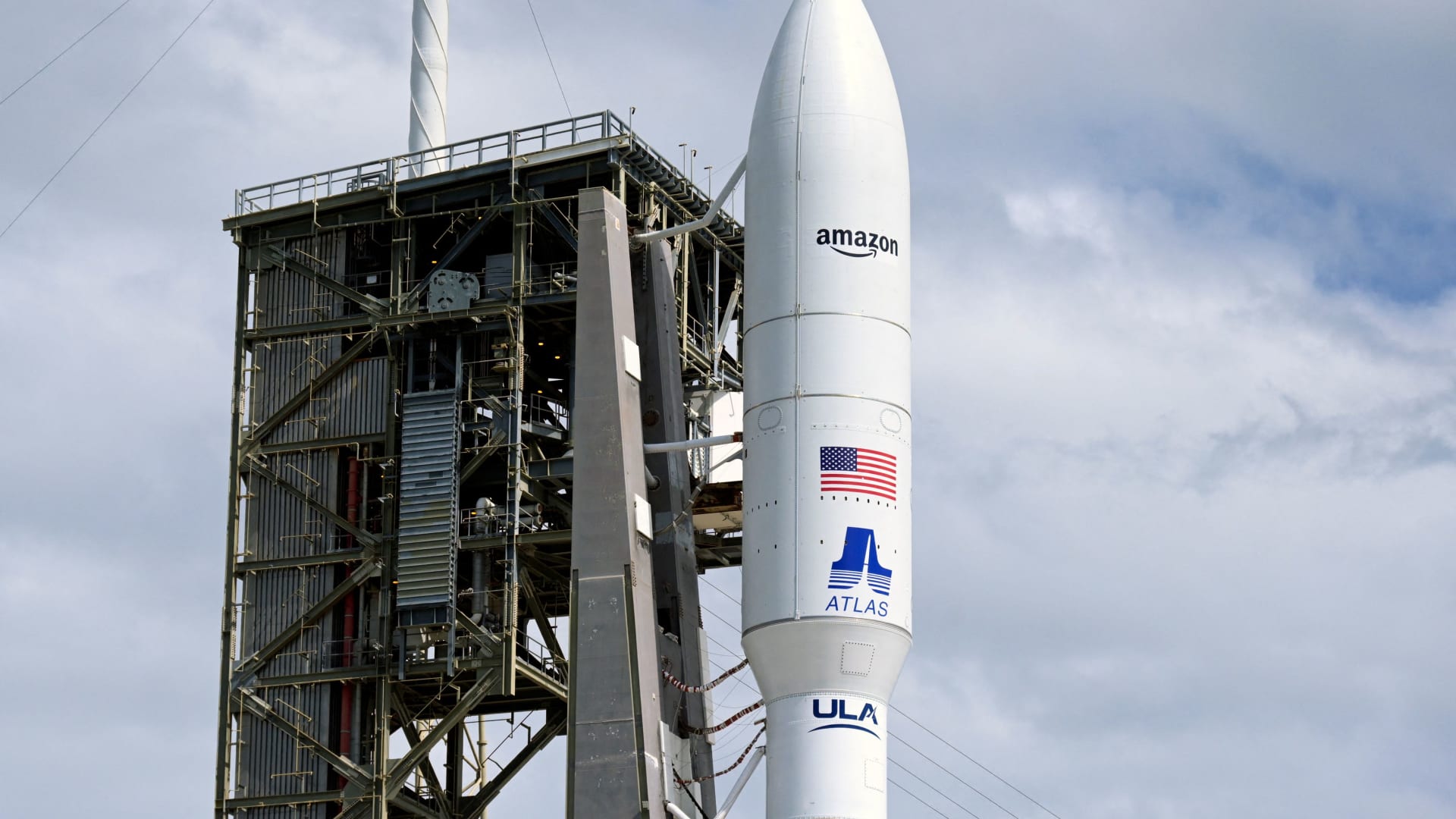
This bold move comes as Amazon works to overcome deployment delays for its satellite constellation, formerly known as Project Kuiper. The company recently petitioned the Federal Communications Commission (FCC) for an extension on its mid-2026 deadline to launch its first 1,600 satellites. By integrating Globalstar’s operational network, Amazon hopes to rapidly close the gap with SpaceX, which currently leads the market with over 10,000 satellites in orbit serving millions of active users.
Regulators have already signaled a cooperative stance toward the merger. FCC Chairman Brendan Carr indicated that the agency would review the transaction with an open mind, emphasizing the importance of fostering domestic competition in the emerging direct-to-cell technology sector. The deal is expected to officially close in 2027, subject to regulatory approvals and customary closing conditions.
Key Takeaways
- Amazon is acquiring Globalstar for $11.57 billion ($90 per share) to bolster its 'Leo' satellite internet business.
- The deal includes an agreement with Apple to provide satellite connectivity for future iPhone and Apple Watch features.
- The acquisition provides Amazon with critical spectrum licenses and infrastructure to launch direct-to-device services by 2028, aiming to compete with SpaceX's Starlink.
Editor’s Analysis & Impact
Amazon’s multi-billion-dollar acquisition of Globalstar represents a massive consolidation in the satellite internet sector, signaling that the race for space-based connectivity is entering a highly competitive phase. By acquiring established spectrum licenses and infrastructure, Amazon bypasses years of regulatory and developmental hurdles that have previously delayed its Leo (formerly Project Kuiper) initiative. This move directly challenges SpaceX’s Starlink, which has enjoyed a near-monopoly in the consumer satellite broadband market. Furthermore, by securing a partnership with Apple, Amazon cements its role in the mainstream consumer electronics ecosystem. The FCC’s receptive attitude toward the deal highlights a regulatory desire to foster a duopoly rather than allowing SpaceX to run away with the market. Ultimately, this acquisition will accelerate the rollout of direct-to-cell capabilities, transforming global telecommunications and bridging connectivity gaps in remote regions worldwide.
Frequently Asked Questions
Q: What is the value of Amazon's acquisition of Globalstar?
A: Amazon is acquiring Globalstar in a deal valued at approximately $11.57 billion, offering shareholders $90 per share in either cash or Amazon stock.
Q: How does this deal affect Apple's existing partnership with Globalstar?
A: Amazon has reached an agreement with Apple to continue providing and expanding satellite connectivity features for iPhones and Apple Watches, building on Apple's previous investments in Globalstar.
Q: When does Amazon expect to deploy its direct-to-device satellite services?
A: Following the expected closure of the acquisition in 2027, Amazon plans to begin deploying its direct-to-device satellite system in 2028.
AI Disclosure: This article is based on verified data and official reports. Our Team and AI have cross-referenced every financial detail with primary sources to ensure total accuracy.
More from this Category