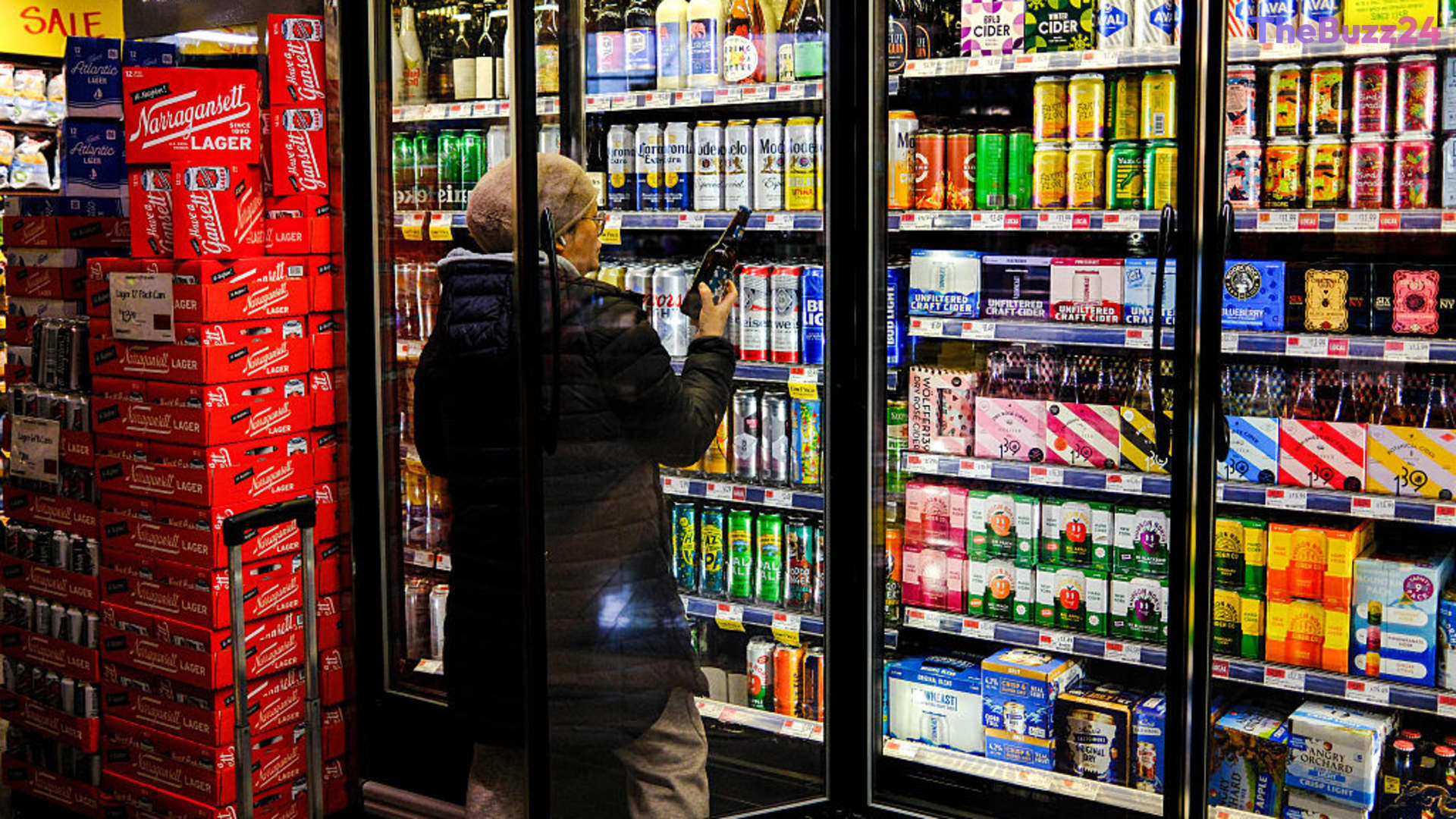
Rising Fuel Costs Trigger Sharp Decline in U.S. Beer Sales
The American beer, cider, and malt beverage sector is currently navigating a significant downturn, with sales volumes falling by 6.3% year-over-year as of early May. This contraction represents a stark departure from previous growth patterns, signaling that inflationary pressures are forcing households to make difficult choices regarding their discretionary spending.
Data indicates that surging gasoline prices are a primary driver behind this shift in consumer behavior. As fuel costs consume a larger portion of the average household budget, impulse purchases at convenience stores—a vital sales channel for the beverage industry—have stalled. The impact is most pronounced in regions facing the highest fuel costs; for instance, areas in California where gas prices have exceeded $6 per gallon have reported volume declines as steep as 16%. Similar trends are emerging in Arizona and Texas, where the financial burden at the pump is directly correlating with reduced beverage consumption.
This softening in the market serves as a broader indicator of the current state of the U.S. economy, reflecting a decline in consumer confidence to multi-year lows. The impact across the industry is uneven, with premium products like Michelob Ultra demonstrating greater resilience compared to legacy brands such as Bud Light and Budweiser, which are facing double-digit volume losses. While some companies like Constellation Brands have maintained relative stability, others, including Boston Beer and Molson Coors, are finding it increasingly difficult to sustain their market share in this volatile economic environment.
Key Takeaways
- U.S. beer and malt beverage sales volumes have dropped 6.3% year-over-year due to inflationary pressures.
- Rising gasoline prices are identified as a major catalyst for reduced discretionary spending at convenience stores.
- The market is seeing a divergence in performance, with premium brands outperforming legacy labels as consumer confidence hits multi-year lows.
Editor’s Analysis & Impact
The decline in beer sales serves as a critical barometer for the health of the American consumer. When discretionary categories like alcohol—which are typically considered ‘recession-resistant’—begin to show double-digit volume losses, it indicates that inflation has moved beyond essential goods and is now deeply impacting lifestyle spending. The correlation between high fuel prices and reduced convenience store traffic suggests that the ‘middle-class squeeze’ is intensifying. Looking ahead, industry players will likely need to pivot their marketing strategies toward value-oriented offerings or risk further erosion of market share. If fuel prices remain elevated, we can expect a continued shift in consumer loyalty toward premium brands that offer perceived value, while legacy brands may face long-term structural challenges in regaining their previous volume levels.
Frequently Asked Questions
Q: Why are beer sales declining in the United States?
A: The decline is primarily attributed to rising inflationary pressures, specifically surging gasoline prices, which have reduced the amount of discretionary income consumers have for impulse purchases at convenience stores.
Q: Are all beer brands being affected equally by this trend?
A: No, the impact is uneven. Premium offerings like Michelob Ultra have shown more stability, whereas legacy brands like Bud Light and Budweiser have experienced significant double-digit volume losses.
AI Disclosure: This article is based on verified data and official reports. Our Team and AI have cross-referenced every financial detail with primary sources to ensure total accuracy.
More from this Category