Anthropic Eyes Massive Computing Expansion in Potential $45 Billion Deal With Nscale
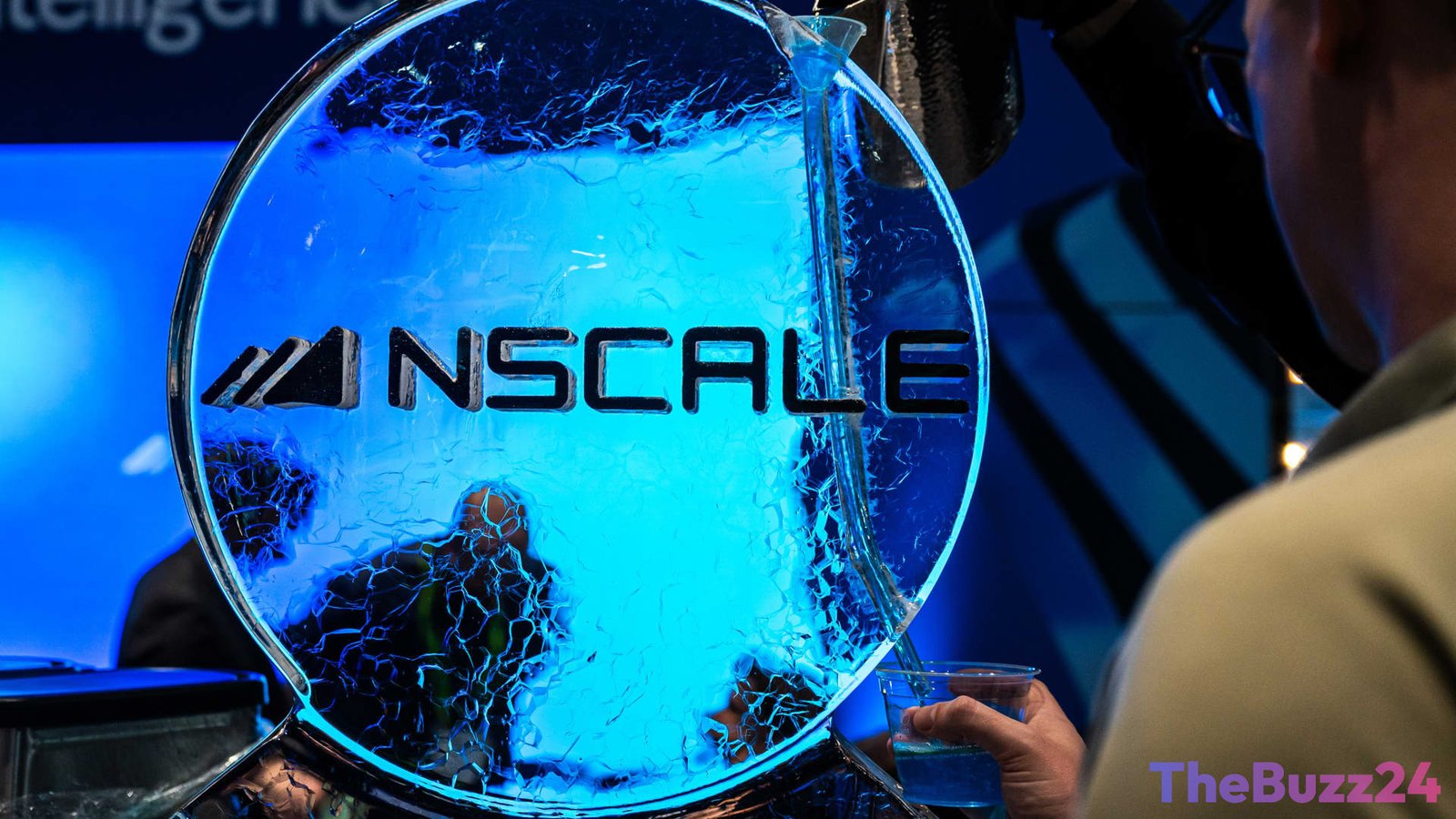
Artificial intelligence firm Anthropic is actively negotiating a colossal computing lease agreement with British specialized cloud infrastructure provider Nscale. The prospective partnership, which market sources indicate could be valued at approximately $45 billion, aims to secure critical compute capacity necessary to power the next generation of generative AI models.
If finalized, the transaction would center on leasing a second 460-megawatt data center situated in West Virginia. This development marks an expansion of the relationship between both companies at the same location, following an earlier agreement secured to bolster Anthropic’s computing footprint. Anthropic has recognized that surging global adoption of its Claude family of AI systems has placed intense strain on existing infrastructure, prompting aggressive procurement efforts across multiple industry heavyweights, including Google, Advanced Micro Devices, Broadcom, and SpaceX.
For Nscale, an Nvidia-backed neocloud firm that submitted filings for an initial public offering on the New York Stock Exchange in September, securing an expanded partnership represents a notable vote of confidence. Specialized cloud operators have faced acute market scrutiny in recent weeks, with peers such as CoreWeave and Nebius experiencing steep market drops driven by mounting concerns over heavy debt financing and aggressive capital expenditure.
The negotiations also unfold as Nscale navigates logistical hurdles in other parts of its international footprint. A prominent plan with Microsoft for a data center facility near London recently saw Microsoft pull out as anchor tenant due to local electrical grid connection delays. Nscale confirmed it remains committed to that development and is evaluating alternative energy solutions, emphasizing that localized utility constraints in the United Kingdom have no bearing on its operational pipeline or North American contracts.
Key Takeaways
- Anthropic is in advanced talks with Nscale for a second data center lease in West Virginia potentially valued around $45 billion.
- The agreement involves a 460-megawatt facility designed to alleviate computational strains caused by high demand for Anthropic's Claude AI models.
- The negotiations come amid broader market challenges for neocloud providers, which face elevated debt scrutiny and regional power grid bottlenecks.
Editor’s Analysis & Impact
Anthropic’s prospective $45 billion arrangement highlights the extraordinary capital intensity driving modern generative AI development. Securing raw computational capacity and gigawatt-scale power has become just as critical to an AI lab’s survival as algorithmic refinement. For specialized neocloud operators like Nscale, long-term lease commitments from top-tier AI developers provide vital revenue visibility against their massive debt-financed capital investments. However, the sector is confronting significant systemic bottlenecks, notably access to electric grid interconnects and cooling infrastructure. If Nscale successfully delivers on this deployment, it will cement its position as a primary compute supplier alongside hyperscalers, providing Anthropic the hardware runway needed to stay competitive against OpenAI and Google.
Frequently Asked Questions
Q: What is a neocloud provider?
A: A neocloud is a specialized cloud infrastructure company focused primarily on providing high-performance computing, such as dense clusters of GPUs, tailored specifically for artificial intelligence and machine learning workloads.
Q: Why is Anthropic securing large-scale computing agreements?
A: Anthropic requires vast amounts of computing capacity to train and run its Claude artificial intelligence models, which have experienced surging consumer and enterprise adoption that places high demands on existing infrastructure.
Q: What risks are specialized AI data centers currently facing?
A: Specialized cloud providers face substantial risks related to high debt burdens from buying advanced hardware, as well as prolonged timelines and delays in connecting high-consumption facilities to regional electrical power grids.
AI Disclosure: This article is based on verified data and official reports. Our Team and AI have cross-referenced every financial detail with primary sources to ensure total accuracy.
More from this Category