Apple Resolves Critical Privacy Flaw That Retained Deleted Messages
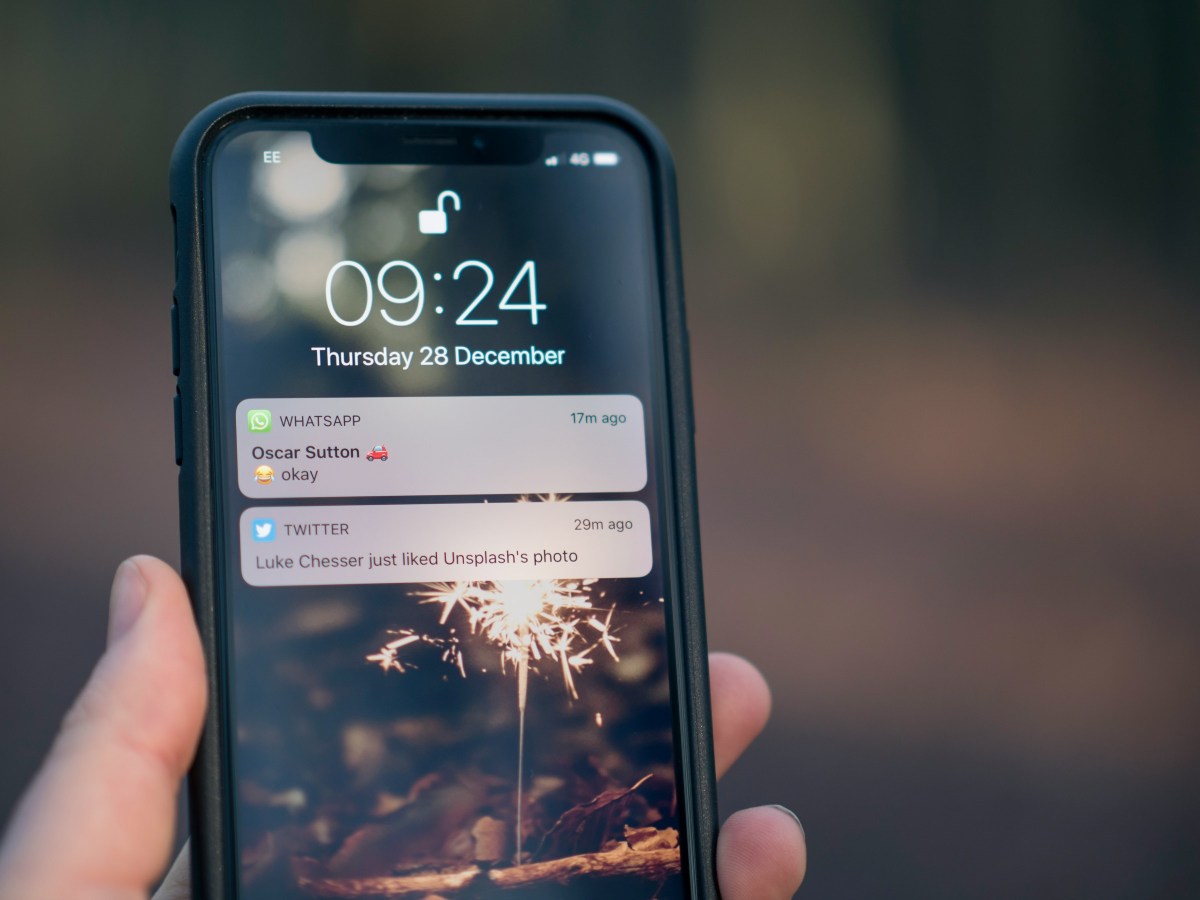
Apple has rolled out a vital security update for iPhone and iPad users, addressing a significant privacy vulnerability that caused deleted messages to remain stored on devices. The flaw originated within the operating system’s notification management framework, which inadvertently cached message content in a system database. This occurred even when users manually deleted messages or utilized auto-delete features within privacy-focused applications such as Signal and WhatsApp.
Because of this oversight, communications that users believed were permanently erased remained accessible on their devices for as long as a month. Forensic investigations highlighted that this data retention allowed for the potential recovery of sensitive information, effectively bypassing the privacy protections intended by encrypted messaging services. The issue prompted concerns from developers who argued that system-level notification logs should not store data that has been purged from the primary application.
In response, Apple confirmed that notifications marked for deletion were being incorrectly retained by the system. The newly deployed patch ensures that these logs are now properly cleared, restoring the intended functionality of ephemeral messaging features. The update has been distributed across a wide range of devices, including older models, to ensure comprehensive protection across the entire ecosystem.
While the specific technical root cause of the caching error remains undisclosed, the swift release of the patch emphasizes the company’s commitment to data privacy. By closing this loophole, Apple aims to prevent the unauthorized recovery of private conversations and reinforce the reliability of ephemeral messaging tools for its user base.
Key Takeaways
- Apple patched an iOS vulnerability that caused deleted messages to be cached in the system's notification database.
- The bug allowed for the potential forensic recovery of messages that users had already deleted or set to auto-expire.
- The security update is available for a wide range of devices, including older iPhone and iPad models.
Editor’s Analysis & Impact
This incident highlights a critical tension between mobile operating system design and the privacy-centric features of third-party applications. As messaging platforms increasingly rely on ephemeral data to protect user anonymity, the underlying OS must be perfectly aligned with these security protocols. The fact that a system-level notification cache could undermine encrypted messaging highlights a broader challenge for tech giants: ensuring that background processes do not inadvertently create ‘digital breadcrumbs’ that compromise user intent. Moving forward, we expect increased scrutiny on how mobile operating systems handle temporary data storage. This patch is a necessary step for Apple to maintain its reputation as a privacy-first brand, but it also serves as a reminder that even the most secure apps are only as safe as the platform they run on.
Frequently Asked Questions
Q: Does this update affect all iPhone users?
A: Yes, Apple has extended this security patch to a broad range of devices, including older iPhones and iPads that were previously vulnerable to the notification caching issue.
Q: Why were my deleted messages still appearing on my phone?
A: The issue was caused by a bug in the iOS notification system that saved message content into a database even after the message was deleted from the original app, causing it to persist for up to 30 days.
AI Disclosure: This article is based on verified data and official reports. Our Team and AI have cross-referenced every financial detail with primary sources to ensure total accuracy.
More from this Category