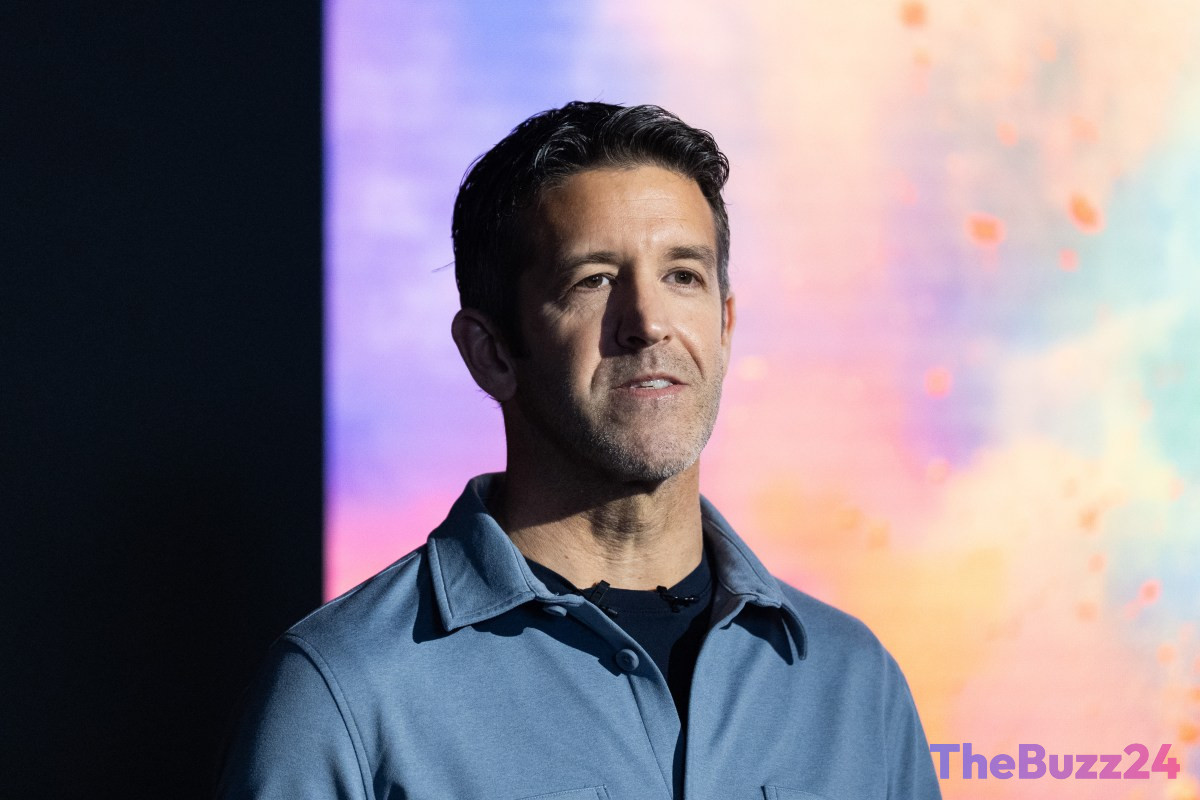
Apple’s Hardware Renaissance: John Ternus to Lead Tech Giant’s Next Chapter
Apple is poised for a significant strategic shift as John Ternus prepares to take the helm as CEO later this year, succeeding long-time leader Tim Cook. Cook’s tenure saw Apple transform into a $4 trillion global powerhouse, expanding its services division and overseeing some of the most profitable periods in tech history. Ternus, a veteran hardware executive, brings a distinct skillset, having dedicated his career to developing Apple’s iconic devices, including AirPods, the Apple Watch, and Vision Pro. His appointment signals a renewed emphasis on hardware innovation at a crucial juncture for the company.
Under Ternus’s leadership, Apple is expected to pivot its artificial intelligence strategy, focusing on integrating AI directly into devices rather than engaging in a head-on competition with companies building large AI models. This approach could manifest in a new generation of AI-powered gadgets, with speculation pointing towards smart glasses, wearable pendants equipped with cameras, and enhanced AirPods featuring advanced AI capabilities. These future products are anticipated to seamlessly connect with the iPhone, with Siri playing a central role in their functionality.
The incoming CEO is also projected to accelerate the development of products that have long been rumored or in development limbo. Foldable iPhones, for instance, have been a subject of speculation for years, and while competitors have already entered this market, Apple has adopted a more deliberate approach. Reports suggest a potential launch as early as September, with Ternus overseeing this significant release. Furthermore, Apple has been exploring the realm of robotics, particularly for home applications. Concepts include a tabletop device with a robotic arm attached to a display, functioning as a mobile smart assistant, and even mobile robots capable of performing simple tasks or acting as moving FaceTime screens. Ternus’s personal interest in robotics, dating back to his college days, aligns with these ambitious explorations.
Despite these innovative prospects, Apple faces a challenging landscape. Ongoing memory chip shortages, fluctuating tariff policies, and the company’s historical reliance on Chinese manufacturing present considerable hurdles. While approximately 80% of iPhones were once produced in China, Apple has actively diversified its supply chain, with roughly 25% of its iPhones now manufactured in India, indicating a strategic shift to mitigate geopolitical and logistical risks.
Key Takeaways
- John Ternus will succeed Tim Cook as Apple CEO, signaling a strategic shift towards hardware innovation and AI integration.
- Apple's future under Ternus is expected to focus on AI-powered devices, including potential smart glasses, wearable pendants, and advanced AirPods, all integrated with the iPhone and Siri.
- The company is also poised to advance long-rumored products like foldable iPhones and explore home robotics, while navigating supply chain challenges and evolving tariff policies.
Editor’s Analysis & Impact
The transition of leadership from Tim Cook to John Ternus marks a pivotal moment for Apple, signaling a potential return to its hardware-centric roots while embracing the future of AI. This strategic pivot could reignite innovation in consumer electronics, challenging competitors with a new wave of interconnected, intelligent devices. For the market, this shift might lead to increased R&D spending and a focus on new product categories, potentially impacting component suppliers and manufacturing partners. The emphasis on embedding AI directly into devices, rather than competing in foundational AI models, could carve out a unique and defensible niche for Apple. However, the ambitious hardware roadmap, including foldable phones and robotics, will require navigating complex supply chain issues, geopolitical tensions, and manufacturing diversification, particularly as the company continues to reduce its reliance on China.
Frequently Asked Questions
Q: Who is John Ternus and what is his background at Apple?
A: John Ternus is a long-time Apple executive with a deep background in hardware engineering. He has been instrumental in the development of key products such as AirPods, Apple Watch, and Vision Pro, and is set to become Apple's next CEO, succeeding Tim Cook.
Q: What strategic shift is expected under John Ternus's leadership?
A: Under Ternus, Apple is anticipated to renew its focus on hardware innovation, particularly by integrating AI directly into devices. This strategy aims to create a new ecosystem of AI-powered gadgets, including potential smart glasses, advanced AirPods, and foldable iPhones, all designed to work seamlessly with the iPhone and Siri.
Q: What challenges might Apple face with its new hardware-focused strategy?
A: Apple will likely encounter challenges such as ongoing memory chip shortages, evolving global tariff policies, and the complexities of diversifying its manufacturing base. The company is already shifting production away from its historical reliance on China, with a growing percentage of iPhones now being manufactured in India.
AI Disclosure: This article is based on verified data and official reports. Our Team and AI have cross-referenced every financial detail with primary sources to ensure total accuracy.
More from this Category