Apple Unveils iPhone 18 Pro With Groundbreaking Anti-AI Forgery Tools and Advanced Optics
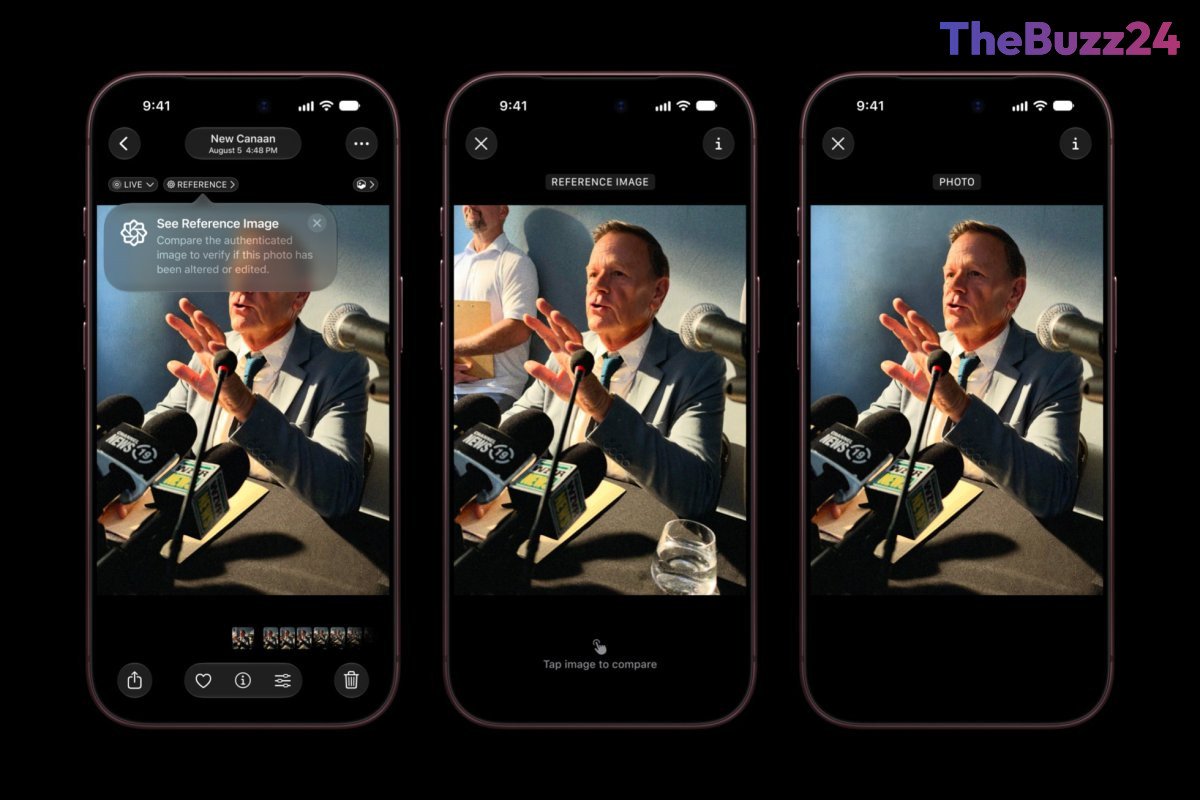
In a major move to combat the proliferation of synthetic media, Apple has introduced a specialized feature designed to verify the authenticity of photographs captured on its upcoming mobile devices. Unveiled during a recent product showcase, the new capability aims to provide a reliable method for distinguishing genuine photography from artificially generated imagery.
The verification system operates by capturing signed sensor data directly from the main camera hardware at the moment a picture is taken. This raw data is subsequently processed through a secure cloud architecture to generate a permanent, tamper-resistant digital asset akin to a traditional digital negative. Professionals such as photojournalists can utilize this tool to prove that their visual records have not been altered or fabricated.
In addition to the cryptographic verification tool, broader industry standards are being adopted to identify manipulated content across various platforms. Alongside these software safeguards, significant hardware enhancements have been made to the device’s imaging system. The new flagship handset features a redesigned 48-megapixel fusion main camera equipped with a mechanical variable aperture, marking a substantial leap forward in mobile photography capabilities and low-light performance.
Key Takeaways
- Apple introduced a new feature to verify that photos taken on its devices are authentic and untouched by AI.
- The system captures signed sensor data to create an unalterable digital asset comparable to a traditional digital negative.
- The iPhone 18 Pro also features major hardware upgrades, including a 48-megapixel camera with a mechanical variable aperture.
Editor’s Analysis & Impact
The introduction of cryptographic photo verification by a major technology leader marks a pivotal turning point in the digital media landscape. As artificial intelligence makes it increasingly easy to generate hyper-realistic fake images, the demand for verifiable authenticity has never been higher. By embedding verification directly into the hardware and cloud pipeline, the company is setting a new standard for trust and transparency in digital journalism and social media. This move will likely pressure competing smartphone manufacturers and software developers to adopt similar transparency measures. For professional photographers and news organizations, these tools offer a much-needed defense against the rising tide of visual misinformation, potentially restoring public confidence in digital imagery.
Frequently Asked Questions
Q: How does the new verification feature prove a photo is real?
A: The camera captures signed sensor data at the moment the picture is taken, which is then processed into a tamper-resistant digital asset that can be compared against other versions of the photo.
Q: What hardware upgrades were announced for the camera?
A: The new flagship device features a 48-megapixel fusion main camera equipped with a mechanical variable aperture controlled by specialized laser-cut blades and a custom rotor mechanism.
AI Disclosure: This article is based on verified data and official reports. Our Team and AI have cross-referenced every financial detail with primary sources to ensure total accuracy.
More from this Category