Apple’s Strategic Pivot: CEO John Ternus Reclaims the iPhone as the Ultimate AI Hub
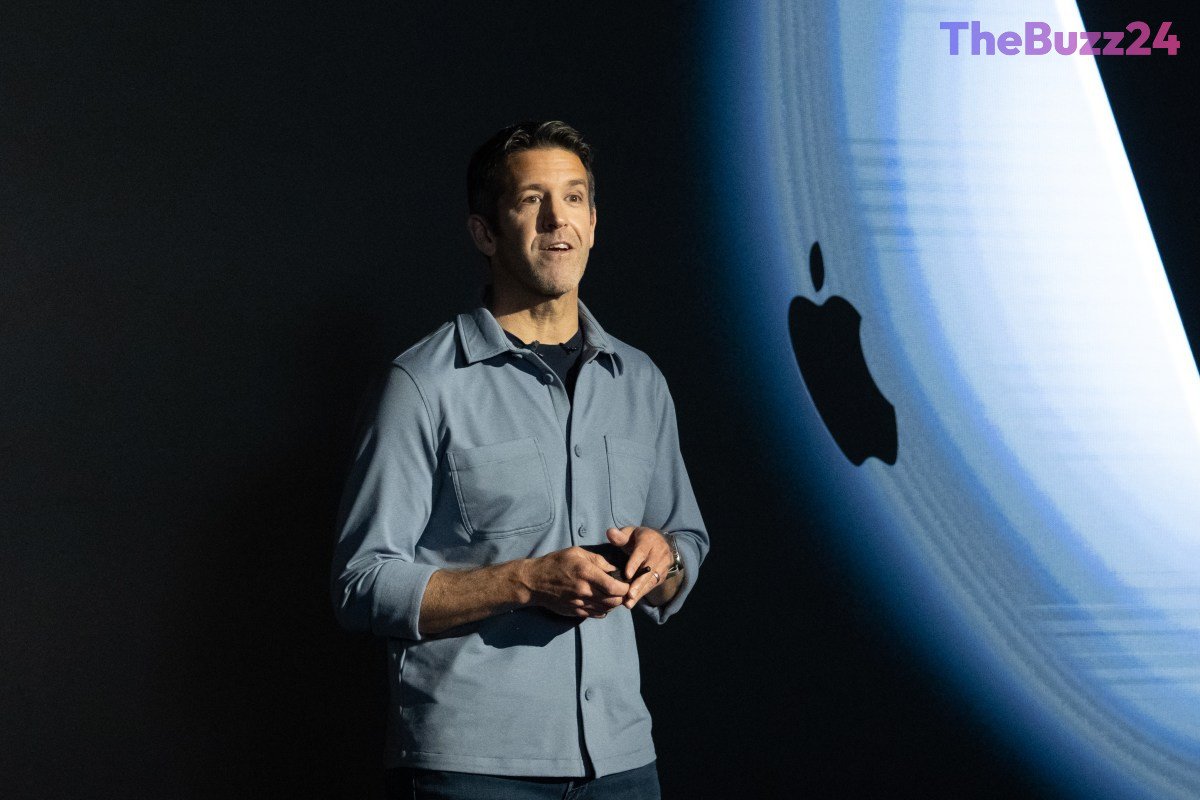
In a decisive shift for Apple’s future, newly appointed CEO John Ternus has signaled a return to a foundational philosophy once championed by Steve Jobs. During his inaugural keynote, Ternus firmly positioned the iPhone as the central pillar of the company’s product strategy, specifically framing it as the primary gateway for the burgeoning era of artificial intelligence. This move marks a departure from the previous executive focus, which sought to diversify Apple’s identity beyond its flagship smartphone.
By centering the iPhone as an ‘intelligent personal hub,’ Ternus is directly challenging industry narratives that suggest the smartphone market has reached its peak or that the device is becoming obsolete. This approach mirrors the strategy Jobs employed in 2001, when he famously defended the Mac as the ‘digital hub’ of a new era of consumer electronics, despite widespread skepticism from industry analysts at the time. Just as Jobs used the Mac to anchor a suite of peripheral devices, Ternus is leveraging the iPhone’s advanced processing power, high-resolution optics, and on-device AI capabilities to maintain its dominance.
While competitors have scrambled to introduce various wearable devices in hopes of unseating the smartphone, Ternus argues that the iPhone’s unique combination of portability and raw computing power remains unmatched. By doubling down on the device rather than sidelining it for experimental hardware, Apple is betting that the iPhone is not only the most essential tool for modern life but also the most capable vessel for the next generation of AI-driven software. This strategy suggests that Apple intends to evolve the iPhone’s utility rather than replace it, reinforcing its status as the indispensable center of the user’s digital ecosystem.
Key Takeaways
- CEO John Ternus is repositioning the iPhone as the central 'intelligent personal hub' for Apple's AI-focused future.
- The strategy draws inspiration from Steve Jobs' 2001 'digital hub' vision, which successfully defended the Mac against claims of obsolescence.
- Apple is prioritizing the iPhone's existing power and portability over the development of alternative wearable devices to lead the AI era.
Editor’s Analysis & Impact
The decision to anchor Apple’s AI strategy to the iPhone is a calculated move to leverage the company’s massive installed base. By framing the iPhone as the ‘intelligent hub,’ Apple avoids the ‘innovator’s dilemma’ of cannibalizing its most profitable product with unproven hardware. From a market perspective, this provides stability and a clear value proposition for investors who have been anxious about the company’s post-iPhone roadmap. However, the success of this strategy hinges entirely on Apple’s ability to integrate on-device AI effectively. If the software experience fails to justify the hardware’s premium, the company risks appearing stagnant. Conversely, if Apple successfully turns the iPhone into a seamless AI assistant, it will solidify its ecosystem lock-in for another decade, effectively neutralizing the threat of emerging AI-native hardware competitors.
Frequently Asked Questions
Q: Why is Apple focusing on the iPhone for AI instead of new hardware?
A: Apple believes the iPhone already possesses the ideal combination of high-performance processing, camera technology, and constant connectivity, making it the most practical device to serve as a user's primary AI hub.
Q: How does this strategy compare to Steve Jobs' approach in 2001?
A: In 2001, Jobs faced similar skepticism regarding the future of the PC. He countered this by positioning the Mac as the 'digital hub' that connected other devices, a strategy that ultimately led to the creation of the iPod and the modern Apple ecosystem.
AI Disclosure: This article is based on verified data and official reports. Our Team and AI have cross-referenced every financial detail with primary sources to ensure total accuracy.
More from this Category