Market Anomalies Trigger Insider Trading Probes Amid Iran Geopolitical Tensions
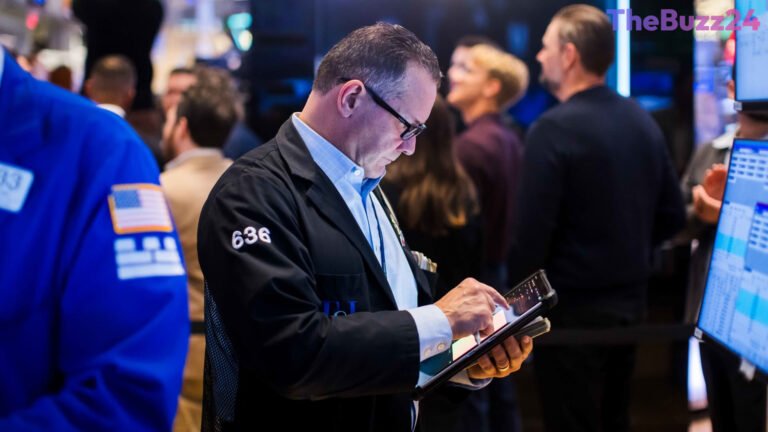
Financial analysts are currently investigating a series of highly suspicious trading patterns that surfaced immediately prior to major policy announcements from the White House concerning the ongoing conflict in Iran. Data reveals that substantial capital was deployed into specific market sectors only hours before President Donald Trump delivered public statements that subsequently triggered significant volatility across global financial markets. The precision and timing of these trades have fueled widespread speculation that non-public information may have been leveraged to secure private financial gains.
The correlation between these large-scale market bets and the timing of official presidential addresses has become a focal point for market observers. As the administration navigates the complexities of the military engagement, including sensitive ceasefire negotiations and the strategic blockade of critical shipping lanes, global markets have exhibited extreme sensitivity. The uncanny accuracy of these trades suggests that certain market participants may have possessed advanced knowledge regarding shifting diplomatic and military strategies before they were made public.
As the White House continues to manage the geopolitical fallout of the regional conflict, the integrity of the financial markets has become a central point of contention. Regulatory bodies are facing mounting pressure to determine whether these market movements were the result of sophisticated predictive analysis or illicit insider activity. With the situation in the region remaining fluid, the potential for further market manipulation remains a primary concern for both institutional investors and government policymakers.
Key Takeaways
- Unusual trading volume was detected in specific sectors immediately preceding major White House policy announcements on Iran.
- The timing of these trades suggests potential access to non-public information regarding sensitive military and diplomatic strategies.
- Regulatory bodies are under pressure to investigate whether these market movements constitute illegal insider trading or legitimate market forecasting.
Editor’s Analysis & Impact
The emergence of these trading anomalies highlights a critical vulnerability in the intersection of high-stakes geopolitics and financial market integrity. When market movements consistently precede official government policy shifts, it erodes public trust in the fairness of the financial system. If investigations confirm that non-public information was leaked or exploited, it could lead to stricter regulatory oversight regarding how government officials handle sensitive information that impacts market-moving sectors. Furthermore, this situation underscores the need for enhanced surveillance tools capable of identifying ‘informed’ trading patterns in real-time. Looking ahead, the industry should expect increased scrutiny on institutional trading desks that appear to have a ‘crystal ball’ regarding executive branch decisions, potentially leading to new compliance mandates for firms operating in sectors sensitive to geopolitical volatility.
Frequently Asked Questions
Q: Why are these trading patterns considered suspicious?
A: The trades are considered suspicious because they occurred in significant volumes immediately before major, market-moving policy announcements, suggesting the traders may have had prior knowledge of the government's actions.
Q: What is the role of regulatory bodies in this situation?
A: Regulatory bodies are tasked with investigating whether these trades were based on legitimate market analysis or if they involved the illegal use of non-public, confidential information, which would constitute insider trading.
AI Disclosure: This article is based on verified data and official reports. Our Team and AI have cross-referenced every financial detail with primary sources to ensure total accuracy.
More from this Category