Geopolitical Uncertainty in the Strait of Hormuz Triggers Mixed Performance Across Asia-Pacific Markets
Investors in the Asia-Pacific region faced a day of uncertainty as diplomatic tensions between the United States and Iran continue to influence market sentiment. The primary driver of this volatility is the ongoing dispute regarding the Strait of Hormuz, a critical maritime passage. Recent reports indicate that Iran has offered to reopen the strait, but only on the condition that the United States lifts its current blockade and halts military hostilities.
The U.S. administration has responded with caution, signaling that any relief from economic sanctions will be contingent upon the finalization of a comprehensive and binding agreement. This lack of clarity regarding the timeline and terms of potential negotiations has left global investors on edge, particularly as the threat of regional instability continues to impact energy markets and oil price fluctuations.
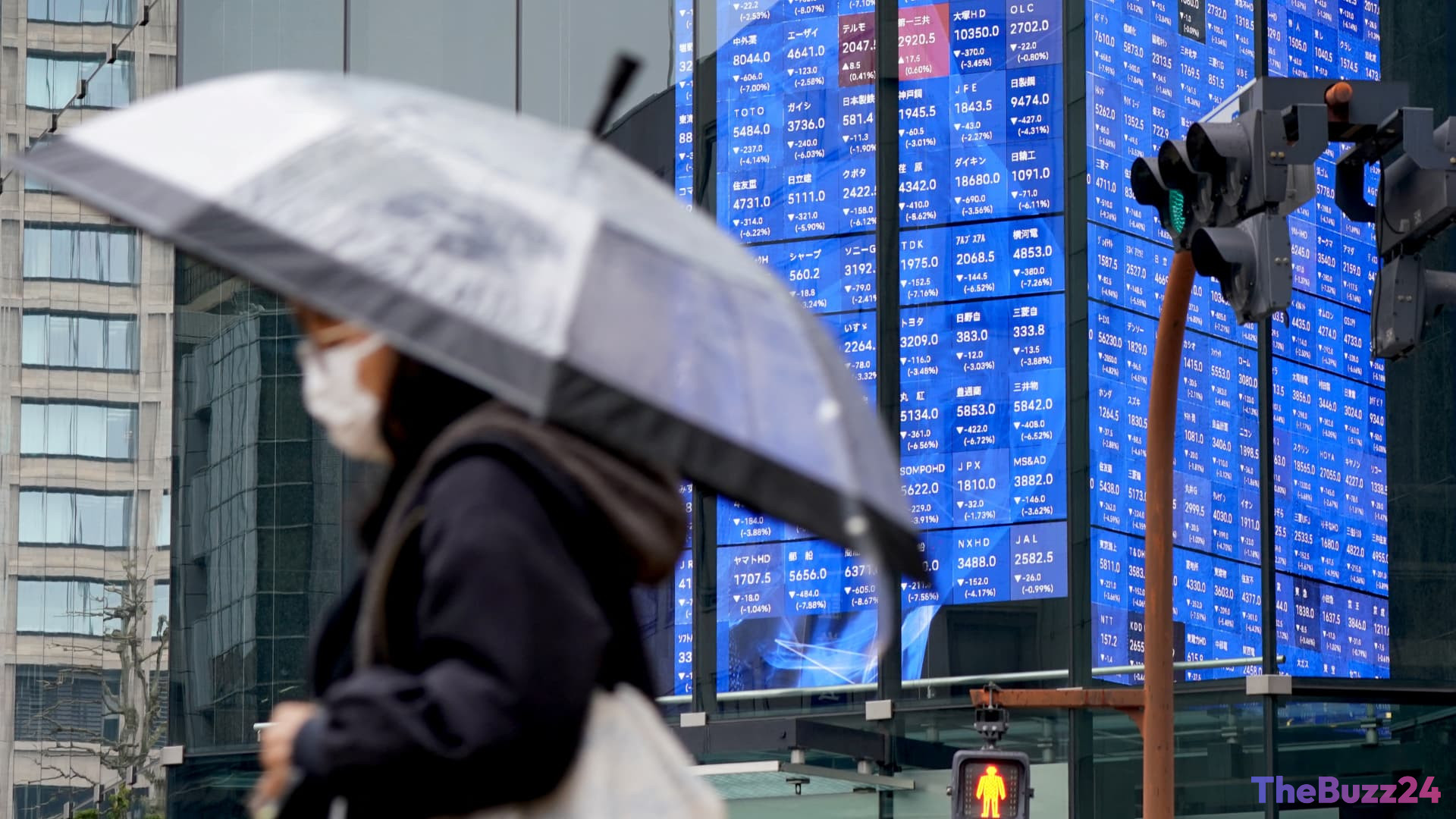
Regional stock indices reflected this cautious mood with varied results. Japan’s Nikkei 225 saw a pullback of 0.49% following recent highs, while the Topix edged slightly higher. In South Korea, the Kospi recorded a marginal gain, though the Kosdaq faced a sharper decline. Australia’s S&P/ASX 200 also trended downward, mirroring the broader hesitation seen across several major Asian exchanges.
Despite the regional fluctuations, U.S. futures showed signs of resilience, with the Dow Jones, S&P 500, and Nasdaq 100 all trending slightly upward. This comes on the heels of recent record-breaking sessions in the U.S., though the shadow of the Middle East conflict remains a significant factor in determining the next major market move.
Key Takeaways
- Iran has proposed reopening the Strait of Hormuz conditional on the U.S. lifting blockades and ending hostilities.
- The U.S. administration maintains that sanctions relief is tied to a finalized, comprehensive agreement.
- Asia-Pacific markets showed mixed results as investors weighed geopolitical risks against recent record highs.
Editor’s Analysis & Impact
The ongoing standoff in the Strait of Hormuz represents a significant risk for global markets, specifically regarding energy security. Because this maritime corridor is vital for global oil transit, any escalation or prolonged uncertainty directly translates to volatility in crude prices, which in turn affects inflation expectations and central bank policies worldwide. While U.S. futures show some resilience, the divergence between regional Asian markets and U.S. indices suggests that investors are pricing in different levels of exposure to Middle Eastern instability. Moving forward, the market will likely remain in a ‘wait-and-see’ mode. A breakthrough in diplomatic negotiations could trigger a relief rally in energy and shipping sectors, whereas a breakdown in talks could lead to a sharp spike in oil prices and a broader sell-off in risk-sensitive equities.
Frequently Asked Questions
Q: Why is the Strait of Hormuz important to the markets?
A: It is one of the world's most critical oil transit points; any disruption there can cause immediate spikes in global energy prices.
Q: What is the current stance of the U.S. regarding Iran?
A: The U.S. administration has indicated that sanctions relief will only be considered once a full, comprehensive agreement is reached.
AI Disclosure: This article is based on verified data and official reports. Our Team and AI have cross-referenced every financial detail with primary sources to ensure total accuracy.
More from this Category