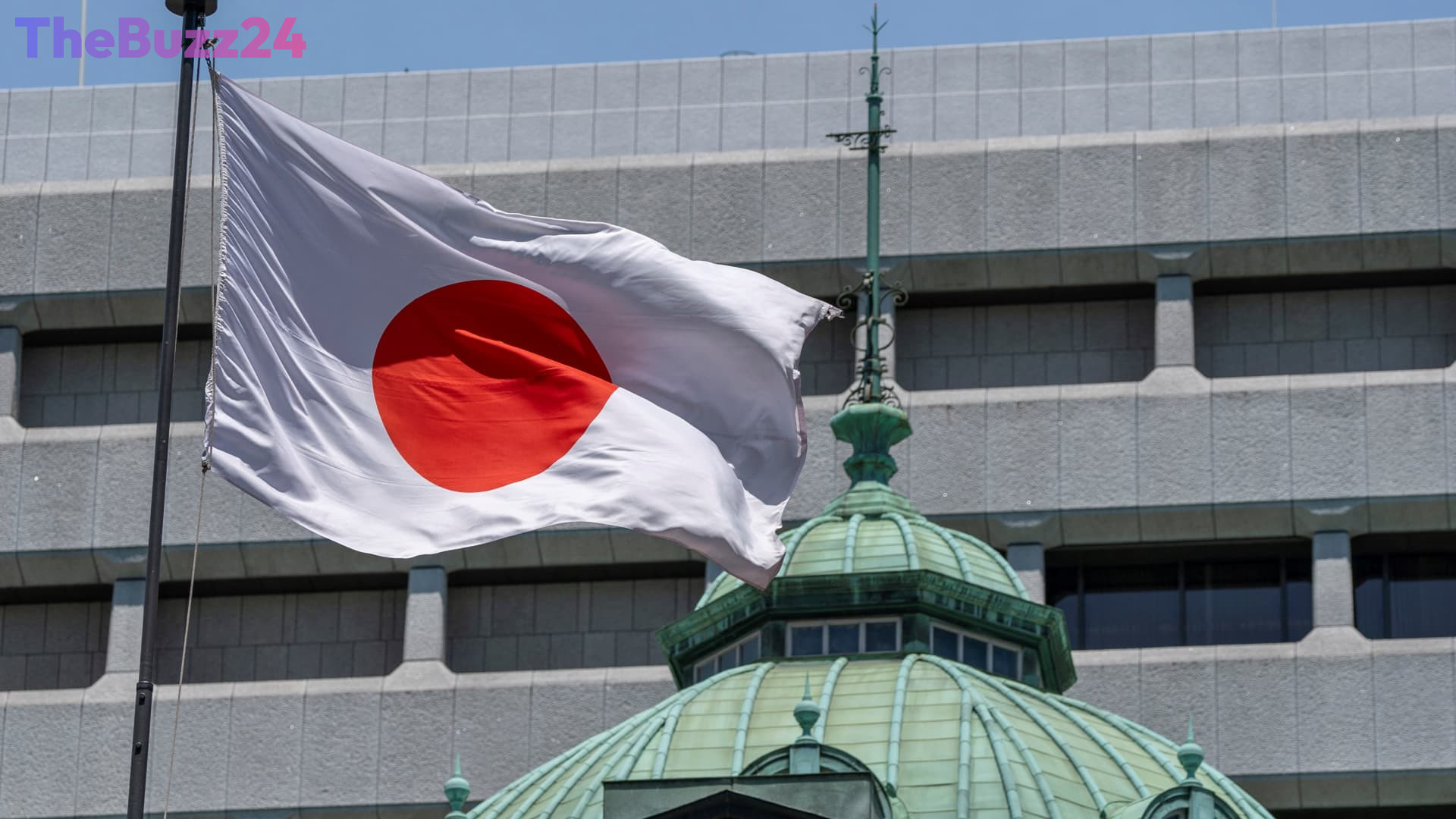
Bank of Japan Elevates Key Interest Rate to 1%, Highest Since 1995 Amidst Yen Weakness and Inflationary Pressures
The Bank of Japan (BOJ) has enacted a significant monetary policy shift, raising its benchmark interest rate to 1% for the first time since 1995. This move, which marks the highest rate in nearly three decades, was decided by a 7-1 vote among the bank’s board members, with one member advocating for maintaining the current rate. The decision aligns with economists’ expectations and signifies an acceleration of the policy normalization process that began earlier this year.
This policy tightening occurs as Japan grapples with a persistently weak yen and rising inflation. While the central bank has implemented measures to mitigate the impact of higher energy prices on households, including subsidies and tax adjustments, underlying inflationary pressures are becoming more apparent. The producer price index, a key indicator of business costs, saw its fastest rise in over three years in May, driven largely by increased energy expenses. This suggests that cost increases may eventually translate into higher consumer prices.
The BOJ’s decision has had an immediate impact on financial markets. The Nikkei 225 index saw an uptick following the announcement, while the Japanese yen experienced a marginal strengthening against the dollar. Yields on 10-year Japanese Government Bonds also rose, reflecting the shift in monetary policy. The central bank also reaffirmed its commitment to reducing government bond purchases, with plans to halt the taper and maintain monthly purchases at 2 trillion yen from April 2027, further signaling a move away from its ultra-loose monetary stance.
Analysts suggest that the board’s decisive action indicates a growing concern over inflation, potentially outweighing immediate growth considerations. Factors such as reduced uncertainty surrounding global energy supply chains have also provided the BOJ with greater confidence to proceed with policy normalization. The persistent weakness of the yen, which has necessitated significant intervention efforts, has also been a key driver for this rate hike, as it exacerbates imported inflation and strains government finances.
Key Takeaways
- The Bank of Japan has raised its key interest rate to 1%, the highest level since 1995, signaling a significant shift in monetary policy.
- The decision was driven by concerns over a weakening yen and rising inflation, despite recent measures to curb price increases.
- Financial markets reacted positively, with the Nikkei 225 rising and the yen strengthening slightly following the announcement.
Editor’s Analysis & Impact
The Bank of Japan’s decision to raise interest rates to 1% is a pivotal moment for the Japanese economy, marking a decisive departure from decades of ultra-loose monetary policy. This move directly addresses the dual challenges of a depreciating yen and creeping inflation, which have become increasingly difficult to ignore. While the rate hike is expected to bolster the yen and help control imported inflation, it also introduces new considerations for domestic businesses and the government’s fiscal policy. The market’s initial positive reaction suggests a degree of confidence in the BOJ’s strategy, but the long-term impact on economic growth and inflation will depend on the pace of further normalization and the broader global economic environment.
Frequently Asked Questions
Q: Why did the Bank of Japan raise interest rates?
A: The Bank of Japan raised interest rates primarily due to concerns about the weakening Japanese yen and rising inflation. A weaker yen increases the cost of imported goods, contributing to inflation, and the central bank aims to stabilize prices and the currency.
Q: What is the new interest rate, and how does it compare to previous levels?
A: The new key interest rate is 1%. This is the highest rate the Bank of Japan has set since 1995, marking a significant increase from its previous levels and signaling a move away from its long-standing ultra-loose monetary policy.
Q: How did the financial markets react to the rate hike?
A: Financial markets showed a positive initial reaction. The Nikkei 225 stock index rose after the announcement, and the Japanese yen strengthened marginally against the US dollar. Bond yields also increased.
AI Disclosure: This article is based on verified data and official reports. Our Team and AI have cross-referenced every financial detail with primary sources to ensure total accuracy.
More from this Category