Qualcomm CEO Predicts AI Agents Will Replace Traditional Apps as Wearable Tech Expands
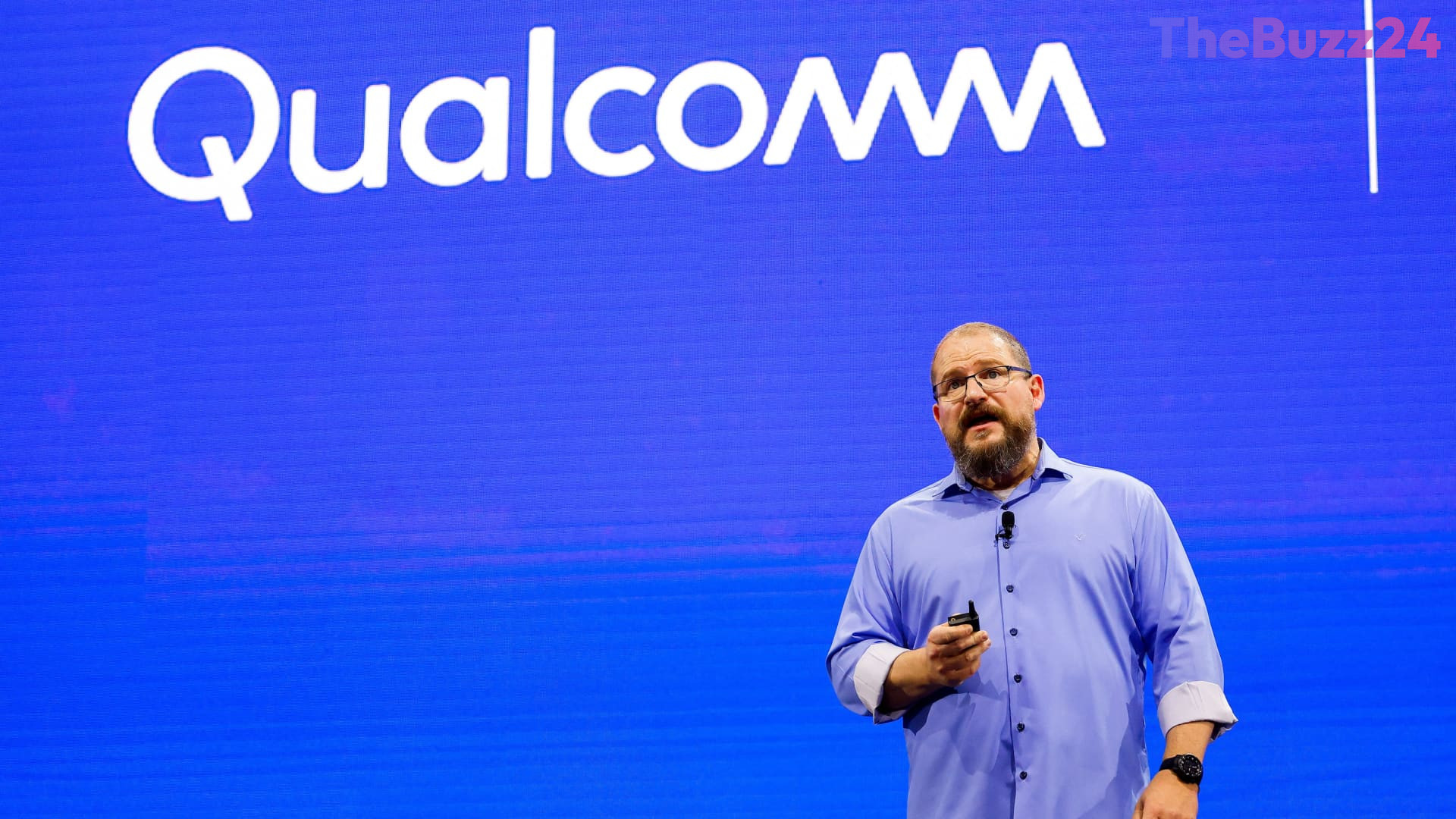
Qualcomm CEO Cristiano Amon has signaled a major shift in the consumer electronics landscape, revealing that the company is currently developing over 40 distinct AI-powered device designs. These new form factors, which range from smart jewelry and camera-equipped earbuds to wearable pins and advanced watches, are designed to function as constant companions that perceive the world around the user. According to Amon, these devices are being built to support a new generation of AI agents capable of understanding human intent and executing complex tasks autonomously.
This evolution represents a fundamental change in how users interact with technology. Amon suggests that AI agents will eventually supersede the traditional app-based model, acting as the primary interface for digital life. Rather than manually navigating through various applications to perform tasks—such as checking banking transactions or booking travel—users will rely on these agents to handle the heavy lifting. While smartphones will remain relevant, the center of gravity is shifting toward these agent-centric wearable devices that offer more immediate, context-aware assistance.
The rise of AI agents is also driving a transformation in the hardware industry, attracting non-traditional players who are eager to secure their place in the consumer market. By controlling the ‘endpoints’ where agents operate, companies can gather vast amounts of real-world data, which is essential for training future AI models and creating personalized user experiences. As a result, Qualcomm is aggressively upgrading its chip roadmap to ensure that future hardware is powerful and energy-efficient enough to support these sophisticated, always-on AI systems.
Looking ahead, Amon remains particularly optimistic about the potential of smart glasses. He anticipates that this category could eventually rival the scale of the smartphone market, potentially reaching hundreds of millions of units shipped annually within a few years. As major tech firms continue to experiment with diverse form factors, the industry is bracing for a future where the physical device is merely a vessel for the intelligent agent that powers the user’s daily digital interactions.
Key Takeaways
- Qualcomm is developing over 40 new AI-powered wearable devices, including jewelry, smart pins, and camera-equipped earbuds.
- AI agents are expected to replace the traditional app-based user experience by autonomously handling complex tasks and understanding user intent.
- The shift toward agent-centric hardware is driving non-traditional tech companies to enter the consumer device market to secure data access and improve AI model training.
Editor’s Analysis & Impact
The shift toward agent-centric computing represents a significant disruption to the current mobile ecosystem, which has been dominated by the smartphone-and-app paradigm for over a decade. By moving the ‘center of gravity’ from the phone to wearable endpoints, Qualcomm is positioning itself to be the foundational architecture for the next era of ambient computing. The industry-wide push into hardware by AI-first companies highlights a strategic realization: whoever controls the device interface controls the data stream. This trend will likely force legacy smartphone manufacturers to pivot rapidly or risk obsolescence. Future market success will depend on balancing extreme energy efficiency with the high computational demands of local AI processing, a challenge that will define the next generation of semiconductor competition.
Frequently Asked Questions
Q: What does it mean for AI agents to replace apps?
A: It means that instead of a user manually opening and navigating through individual apps to perform tasks, an AI agent will understand the user's goal and execute the necessary actions across various services automatically.
Q: Why are AI companies interested in building hardware?
A: Building hardware allows AI companies to control the 'endpoints' where users interact with technology, providing them with access to massive amounts of real-world data that is crucial for training more advanced and personalized AI models.
AI Disclosure: This article is based on verified data and official reports. Our Team and AI have cross-referenced every financial detail with primary sources to ensure total accuracy.
More from this Category