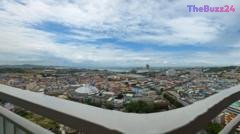
Batam’s Digital Ambitions Spark Water Crisis for Residents
Residents on the Indonesian island of Batam are facing severe water shortages, leading to widespread protests as locals accuse the burgeoning data center industry of exacerbating the crisis. Hundreds of furious islanders, armed with empty bottles and jerry cans, recently stormed a compound housing data centers in the Nongsa Digital Park, demanding access to water while their home taps remain dry.
For months, communities like Bakau Serip have reported unreliable water supplies, with some areas experiencing no water flow for up to three months. Protesters, including Dewi Susanti, highlight a stark contrast between their parched homes and the seemingly ample water supply used by data centers to prevent overheating. While the local water utility states it is working to improve supply, it has not directly linked the disruption to data center demand. BP Batam, the agency overseeing trade and industry, attributes the shortages to a prolonged dry spell and denies allegations that residential water is being diverted to industrial facilities. The island, home to 1.3 million people, relies on rainwater collected in six artificial reservoirs, which are under increasing pressure, especially with a historic “super” El Niño event worsening conditions this year.
Batam is rapidly transforming into a digital hub, attracting over $6.7 billion in data center investments by mid-2026, partly driven by demand from nearby Singapore, which previously paused data center construction due to land and energy constraints. Authorities have approved ten data centers, with several already operational or under construction in Nongsa Digital Park. Major players like Gaw Capital, Sinar Primera, DayOne, Nvidia, and Firmus Technologies are involved in projects expected to significantly increase power and water demand. However, this rapid development is fueling concerns among residents who feel their basic needs are being overlooked in favor of economic growth.
Globally, data centers are known for their substantial resource consumption; a typical facility can use as much water as 1,000 US households daily, primarily for cooling systems. Experts like Agus Hasan from the Norwegian University of Science and Technology emphasize the need for transparency and responsible development, urging authorities to disclose data on water usage. Locals, such as Marlinda from Sei Beduk, plead with the government to prioritize their welfare, demanding that their water supply be restored before further large-scale projects are approved. The ongoing protests underscore a growing global backlash against the environmental footprint of digital infrastructure, particularly its impact on local water and energy resources.
Key Takeaways
- Batam residents are protesting severe water shortages, attributing them to the increasing demand from new data centers in the Nongsa Digital Park.
- Authorities deny a direct link to data centers, citing dry spells and El Niño, but have mandated that future data centers build their own desalination plants.
- Batam is a rapidly growing hub for data center investment, driven by regional demand, raising significant concerns about long-term resource sustainability and local community welfare.
Editor’s Analysis & Impact
The escalating water crisis in Batam highlights a critical tension between rapid technological development and local resource sustainability. As the global demand for data centers, particularly for AI infrastructure, surges, regions like Batam become attractive due to favorable operating conditions. However, this growth often comes at the expense of local communities, who bear the brunt of increased resource strain. This situation could prompt stricter regulatory frameworks globally, pushing data center operators towards more sustainable practices, such as advanced water recycling and on-site desalination. For the tech industry, it underscores the necessity of transparent environmental impact assessments and robust community engagement to maintain social license to operate. Governments, in turn, face the complex challenge of balancing economic incentives with the fundamental needs and environmental protection of their citizens, potentially leading to a re-evaluation of infrastructure development policies in resource-scarce regions.
Frequently Asked Questions
Q: Why are data centers being built in Batam?
A: Batam offers attractive operating costs, close proximity to Singapore (which has land and energy constraints), and strategic connections to major subsea cable routes, making it an ideal location for significant digital infrastructure investment.
Q: How much water do data centers typically consume?
A: A typical data center can consume around 300,000 gallons of water daily, which is comparable to the usage of approximately 1,000 US households. Larger facilities can consume significantly more, primarily for elaborate cooling systems essential to prevent servers from overheating.
Q: What measures are being taken to address Batam's water shortage?
A: Batam's water utility is working to improve supply and has considered measures like cloud seeding. Following protests, authorities have also mandated that new data centers construct their own desalination plants rather than relying solely on the island's existing rainwater reservoirs.
AI Disclosure: This article is based on verified data and official reports. Our Team and AI have cross-referenced every financial detail with primary sources to ensure total accuracy.
More from this Category