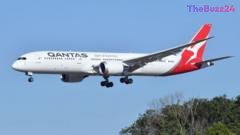
Qantas Grounds Boeing 787 Dreamliner Following Bedbug Infestation
Qantas has been forced to ground a Boeing 787 Dreamliner aircraft following reports of a bedbug infestation discovered during a long-haul flight. The issue came to light during a 17-hour journey from Perth to Rome, where passengers reported being bitten by insects while seated in the economy cabin. The airline provided antihistamines to affected travelers to manage the discomfort, though reports indicated that medical supplies were eventually exhausted during the flight.
In response to the incident, the airline removed the aircraft from service to undergo an intensive deep-cleaning process. A spokesperson for the carrier confirmed that the subsequent return flight from Rome to Perth was canceled to allow maintenance teams to sanitize the affected seating areas. The airline has since apologized for the disruption, noting that all impacted passengers were provided with hotel accommodations and rebooked on alternative flights within a 48-hour window.
Bedbugs, which are resilient, wingless parasites, are notoriously difficult to eradicate once they establish a presence in confined spaces like aircraft cabins. While they generally do not pose severe health risks beyond itchy bites, their presence in public transport has become an increasing concern for the travel industry. This incident follows a string of similar reports across global transit networks, including recent disruptions on rail services in England and previous high-profile complaints involving other major international airlines.
Key Takeaways
- A Qantas Boeing 787 Dreamliner was grounded for deep cleaning after passengers reported bedbug bites on a flight from Perth to Rome.
- The airline canceled the return service to ensure the aircraft was fully sanitized, providing affected passengers with rebooking options and accommodation.
- Bedbug infestations are an emerging challenge for the transportation industry, with similar incidents reported recently in rail and air travel sectors globally.
Editor’s Analysis & Impact
The incident highlights a growing operational challenge for the aviation industry: the increasing prevalence of bedbug infestations in public transit. As global travel volumes return to pre-pandemic levels, the risk of cross-contamination in high-density seating environments has risen. For airlines, these outbreaks represent more than just a sanitation issue; they pose significant reputational risks and operational costs due to unscheduled groundings and passenger compensation requirements. Moving forward, carriers may need to implement more rigorous, proactive pest management protocols and specialized cleaning cycles to maintain passenger trust. The broader implication is that hygiene standards in public transport are becoming a critical competitive differentiator, and failure to address these concerns swiftly can lead to significant financial and brand damage in an era of heightened social media scrutiny.
Frequently Asked Questions
Q: What should passengers do if they suspect bedbugs on a flight?
A: Passengers should immediately notify the cabin crew so the issue can be documented and addressed. It is also advisable to keep personal belongings in sealed bags and inspect luggage thoroughly upon arrival at your destination.
Q: Are bedbugs a serious health threat?
A: While bedbug bites are itchy and can cause skin irritation or allergic reactions in some individuals, they are not known to transmit diseases to humans. The primary concern is the difficulty and cost associated with eliminating an infestation.
AI Disclosure: This article is based on verified data and official reports. Our Team and AI have cross-referenced every financial detail with primary sources to ensure total accuracy.
More from this Category