Battling the Blaze: Local Resilience Amidst France’s Devastating Wildfires
The Gironde region of south-western France is currently locked in a desperate struggle against massive wildfires that have forced tens of thousands of residents and tourists to evacuate. With temperatures soaring to 40C, the environment has become a tinderbox, where fires can spontaneously reignite, creating a volatile and unpredictable situation for emergency crews. The landscape, characterized by dry soil and dense pine forests, has allowed the flames to spread with alarming speed, leaving deserted villages and thick smoke in their wake.
Despite official evacuation orders, some residents have chosen to remain behind to defend their properties. Pierre Alexandre, a local whose home sits near the epicenter of the blaze, described the harrowing decision to stay with his son to protect their bungalow. While acknowledging they are not trained firefighters, many locals feel a profound, personal duty to save their homes and heritage. This sentiment is echoed by a growing army of volunteers who are working alongside professional crews, using personal water tanks and equipment to douse flare-ups before they can escalate.
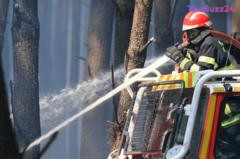
Professional firefighting efforts have been bolstered by personnel arriving from across France, including teams from Brittany, Marseille, and Lyon. The strategy has shifted toward a process known as ‘noyer’—or ‘drowning’—where crews saturate the soil and vegetation to prevent the fire from advancing. While these efforts have brought some areas under relative control, the region remains on high alert as the combination of extreme heat and dry conditions continues to pose a significant threat to the landscape and the communities that call it home.
Key Takeaways
- Extreme heatwaves in France's Gironde region have created highly flammable conditions, leading to rapid wildfire spread.
- Local residents and volunteers are actively assisting professional firefighters by dousing flare-ups to protect their homes and communities.
- Emergency crews are employing a 'drowning' technique, saturating the ground to prevent further fire progression as the region remains under threat.
Editor’s Analysis & Impact
The wildfires in the Gironde region highlight the increasing vulnerability of European ecosystems to climate-driven extreme weather events. As heatwaves become more frequent and intense, the strain on emergency management resources is reaching a critical threshold. The reliance on local volunteers underscores a growing trend of community-led disaster response, yet it also raises significant safety concerns regarding untrained individuals entering hazardous zones. From a broader perspective, this crisis forces a re-evaluation of land management and fire prevention strategies in pine-heavy regions. The economic impact, ranging from the destruction of property to the loss of tourism and forestry assets, will likely necessitate long-term policy shifts in how France prepares for and mitigates the risks of recurring, large-scale wildfires in a warming climate.
Frequently Asked Questions
Q: What is the 'noyer' technique used by firefighters in France?
A: The 'noyer' technique, which translates to 'drowning,' involves thoroughly soaking the soil and surrounding vegetation with water to prevent existing fires from spreading or new ones from igniting.
Q: Why are the wildfires in the Gironde region so difficult to contain?
A: The combination of extreme 40C temperatures, dry, powder-like soil, and dense pine forests creates a highly combustible environment where fires can spontaneously reignite even after being brought under control.
AI Disclosure: This article is based on verified data and official reports. Our Team and AI have cross-referenced every financial detail with primary sources to ensure total accuracy.
More from this Category