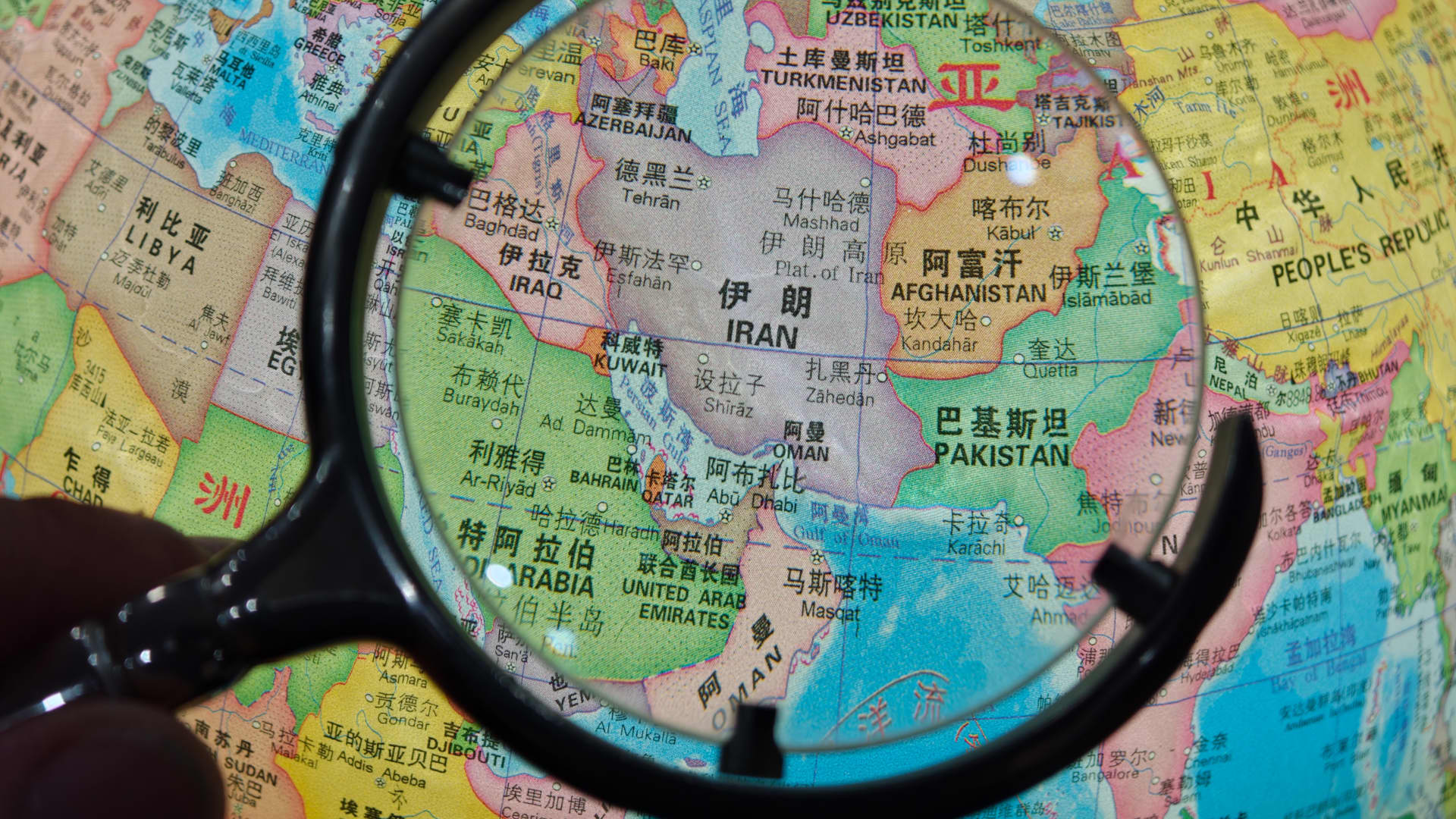
Beijing’s Strategic Diplomacy: Prioritizing Economic Stability Amid Middle East Tensions
China is increasingly positioning itself as a key diplomatic facilitator in the Middle East, driven by a calculated effort to protect its domestic economic interests. As regional hostilities involving Iran threaten global supply chains, Beijing has engaged in extensive outreach to various international stakeholders. Rather than seeking the role of a primary mediator, China is focusing on de-escalation efforts that ensure the stability of its vital export networks and energy security.
Foreign Minister Wang Yi has conducted a series of high-level diplomatic communications, emphasizing the need for an immediate cessation of military operations. This approach aligns with China’s broader foreign policy, which prioritizes regional stability to prevent disruptions to its export-oriented economy. With net exports accounting for approximately one-third of its GDP, Beijing is acutely sensitive to any geopolitical volatility that could trigger a global economic downturn or cause a spike in energy costs.
The primary concern for Chinese leadership remains the security of the Strait of Hormuz, a critical maritime chokepoint for global oil supplies. Despite maintaining significant crude oil stockpiles, the potential for restricted access to this waterway poses a direct threat to China’s industrial output. By supporting regional peace initiatives and collaborating with nations like Pakistan, China aims to project influence as a constructive global power while avoiding the risks associated with direct intervention in complex regional conflicts.
Key Takeaways
- China’s diplomatic engagement in the Middle East is primarily motivated by the need to protect its export-driven economy and energy supply chains.
- Beijing is focusing on facilitating and brokering peace rather than acting as a direct mediator in the conflict.
- The stability of the Strait of Hormuz is a critical factor in China's foreign policy, as any disruption there could significantly impact global oil prices and Chinese industrial growth.
Editor’s Analysis & Impact
China’s recent diplomatic maneuvers represent a shift toward ‘pragmatic interventionism.’ By positioning itself as a stabilizer, Beijing is attempting to insulate its economy from the shocks of regional conflict without overextending its political capital. The strategy is clear: maintain the flow of energy and goods while avoiding the ‘policeman of the world’ label that has historically complicated Western foreign policy. Moving forward, we can expect China to continue leveraging its economic ties with both Iran and Saudi Arabia to maintain a status quo that favors trade. However, the effectiveness of this approach remains limited by Beijing’s reluctance to exert direct pressure on regional actors, suggesting that while China can facilitate dialogue, it may struggle to enforce long-term peace if its core economic interests are not directly threatened.
Frequently Asked Questions
Q: Why is China involved in Middle East ceasefire discussions?
A: China is involved primarily to protect its economic interests, specifically its export-oriented economy and the security of energy imports passing through the Strait of Hormuz.
Q: Is China acting as a direct mediator in the conflict?
A: No, experts suggest China is acting more as a facilitator and broker, supporting broader regional peace initiatives rather than taking on the role of a primary mediator.
AI Disclosure: This article is based on verified data and official reports. Our Team and AI have cross-referenced every financial detail with primary sources to ensure total accuracy.
More from this Category