Behind Closed Doors: What the Trump-Xi Summit Reveals and Hides
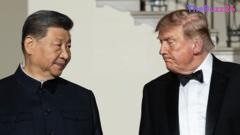
Recent high-level negotiations between Donald Trump and Xi Jinping have produced a flurry of diplomatic engagement, yet the absence of a joint statement underscores a lingering mistrust between Washington and Beijing. Rather than achieving major breakthroughs, both administrations released separate accounts of the meeting, highlighting distinct priorities and persistent underlying tensions despite a shared desire to project warmer bilateral ties.
Among the concrete developments is an agreement to launch a specialized artificial intelligence dialogue and a dedicated communication channel to prevent misunderstandings over tech-related incidents. This initiative comes as both superpowers aggressively advance their AI capabilities, prompting a perceived need for regulatory guardrails. Simultaneously, the ongoing trade truce has been extended through January, accompanied by modest tariff reductions on roughly thirty billion dollars worth of consumer goods and a commitment from Beijing to purchase significant quantities of American coal in the coming years. Notably absent from the trade discussions, however, were any concessions regarding rare earth minerals or advanced semiconductor restrictions.
Geopolitical friction points, particularly concerning Taiwan, remain heavily nuanced. While the White House omitted the topic from its official summaries, Beijing confirmed that Xi Jinping pressed Donald Trump to explicitly oppose Taiwanese independence. The strategic ambiguity surrounding future arms packages and regional defense commitments leaves this issue as a critical flashpoint. Furthermore, while Beijing announced intentions to permit broader entry for foreign financial institutions and increase cross-border flights, strict regulatory oversight and ongoing travel advisories continue to present substantial hurdles for international business and tourism between the two nations.
Key Takeaways
- Washington and Beijing agreed to establish a new bilateral AI dialogue and a direct communication channel to manage tech-related incidents.
- The ongoing trade truce was extended until January, featuring mutual tariff reductions on select consumer goods and future agricultural and energy commitments.
- Controversial topics such as advanced semiconductor restrictions, rare earth exports, and the geopolitical status of Taiwan remained largely unresolved.
Editor’s Analysis & Impact
The recent summit between Donald Trump and Xi Jinping reflects a pragmatic approach to superpower management, prioritizing friction reduction over comprehensive structural reform. By locking in a temporary trade truce and establishing technological communication channels, both leaders have successfully de-escalated immediate economic anxiety while buying time for domestic political agendas. However, the failure to address core systemic disputes—such as semiconductor access, rare earth supply chains, and the sovereignty of Taiwan—indicates that the fundamental strategic rivalry remains entirely intact. For global markets, this dynamic guarantees continued volatility wrapped in diplomatic civility, requiring multinational corporations to maintain robust contingency planning against sudden shifts in regulatory and trade policy.
Frequently Asked Questions
Q: What were the primary outcomes of the Trump-Xi summit?
A: The summit resulted in a temporary extension of the trade truce, modest tariff reductions on select goods, and an agreement to launch a bilateral AI dialogue and communication channel.
Q: Was the issue of Taiwan addressed during the meetings?
A: While omitted from official White House briefings, Beijing confirmed that Xi Jinping urged Donald Trump to handle the Taiwan issue cautiously and oppose its independence.
Q: Are advanced US semiconductors now easier for China to import?
A: No, restrictions on advanced American semiconductors and exports of Chinese rare earth minerals were notably left out of the recent agreements.
AI Disclosure: This article is based on verified data and official reports. Our Team and AI have cross-referenced every financial detail with primary sources to ensure total accuracy.
More from this Category