Persian Gulf Nations Seek U.S. Dollar Liquidity Amidst Regional Conflict
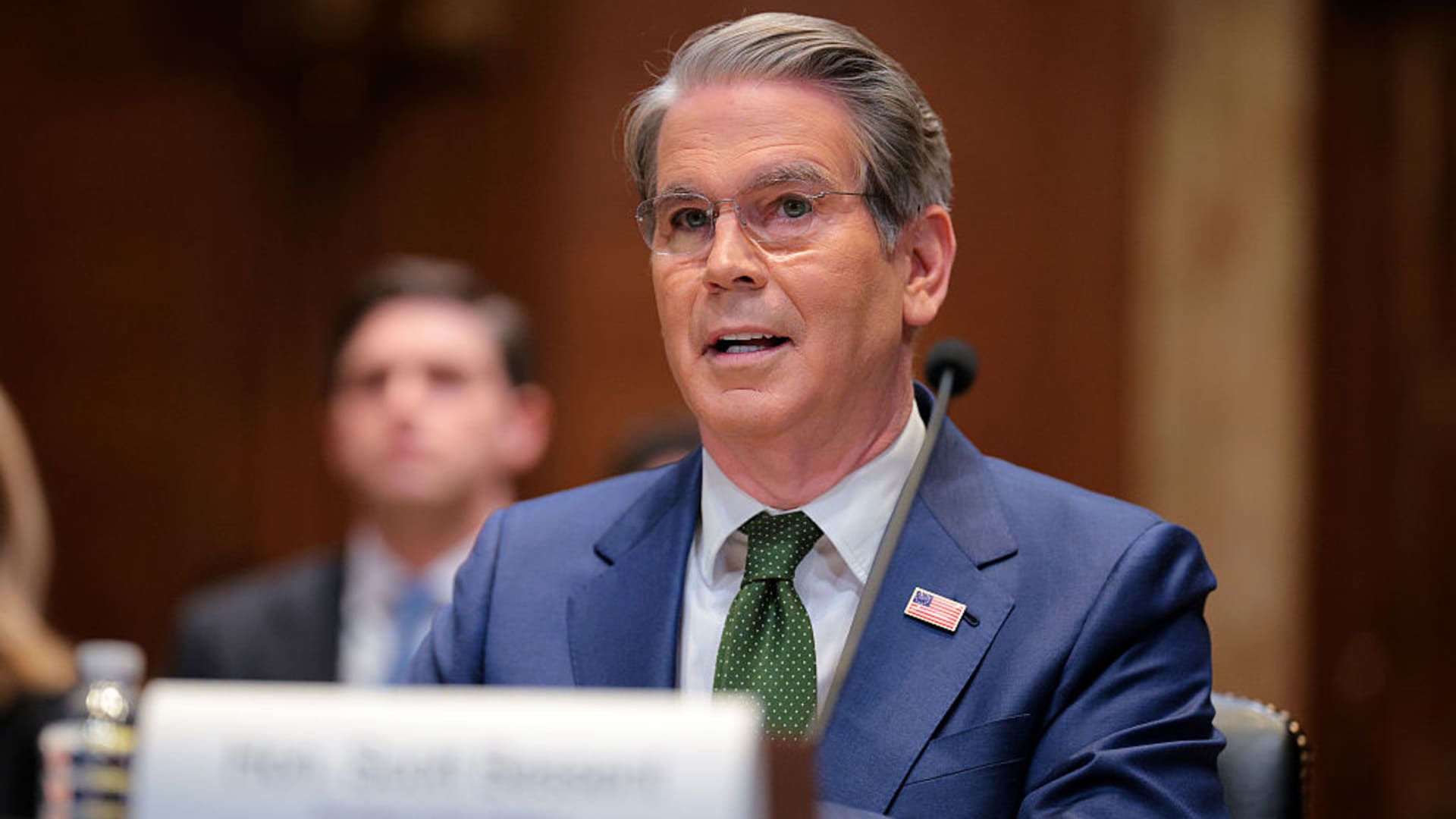
U.S. Treasury Secretary Scott Bessent has revealed that several Persian Gulf allies have formally requested currency swap lines to stabilize their economies. The request comes as regional instability, fueled by the ongoing conflict with Iran, continues to exert significant pressure on the financial health of these nations. During a recent Senate Appropriations hearing, officials highlighted that these swap lines are essential for providing liquidity in U.S. dollars, particularly as the closure of the Strait of Hormuz has severely hampered oil revenues.
The economic fallout from the conflict has reached a critical point, with the disruption of vital shipping lanes threatening the fiscal stability of countries like the United Arab Emirates. According to Treasury officials, the primary goal of these proposed swap arrangements is to maintain stability in dollar funding markets and prevent the disorderly liquidation of U.S. assets. While the Federal Reserve and the Treasury are evaluating these requests, it was noted that similar inquiries have been received from various Asian allies, signaling a broader global concern regarding dollar liquidity.
The proposal has sparked a debate in Washington regarding the allocation of financial resources. While some lawmakers support the move as a necessary step to protect global economic interests and maintain the dominance of the U.S. dollar in oil transactions, others have raised concerns about the optics of providing financial aid to wealthy nations while domestic consumers face inflationary pressures. Critics have also pointed to complex geopolitical and business entanglements, questioning the justification for such support given the current economic climate in the United States.
Key Takeaways
- Persian Gulf nations have formally requested U.S. dollar swap lines to combat economic instability caused by the conflict with Iran.
- The closure of the Strait of Hormuz has disrupted oil revenues, creating an urgent need for dollar liquidity to prevent asset liquidation.
- The request has triggered a political debate in the U.S. over the appropriateness of providing financial support to wealthy allies during a period of domestic inflation.
Editor’s Analysis & Impact
The request for currency swap lines by Persian Gulf allies underscores the fragility of global energy markets when key chokepoints like the Strait of Hormuz are compromised. From a market perspective, these swaps are a defensive mechanism designed to prevent a ‘dollar crunch’ that could lead to a fire sale of U.S. Treasury securities, which would have deleterious effects on global bond yields. However, the political implications are significant; the move forces a confrontation between traditional foreign policy objectives—maintaining regional stability and dollar hegemony—and domestic populist concerns regarding fiscal responsibility. If the U.S. proceeds, it risks accusations of prioritizing foreign interests over domestic economic relief. Conversely, denying the request could accelerate a shift away from the dollar in regional trade, potentially undermining the long-term status of the greenback as the global reserve currency for energy transactions.
Frequently Asked Questions
Q: What is a currency swap line in this context?
A: A currency swap line is an agreement between central banks or treasuries to exchange currencies, providing the requesting nation with immediate access to U.S. dollars to stabilize their domestic financial markets.
Q: Why is the Strait of Hormuz closure impacting the U.S. dollar?
A: The Strait of Hormuz is a critical artery for global oil shipments. Because oil is primarily traded in U.S. dollars, the disruption of these exports reduces the flow of dollars into Gulf economies, creating a liquidity crisis that threatens the stability of their financial systems.
AI Disclosure: This article is based on verified data and official reports. Our Team and AI have cross-referenced every financial detail with primary sources to ensure total accuracy.
More from this Category