Bitcoin Long-Term Holders Capitulate as Market Slump Deepens
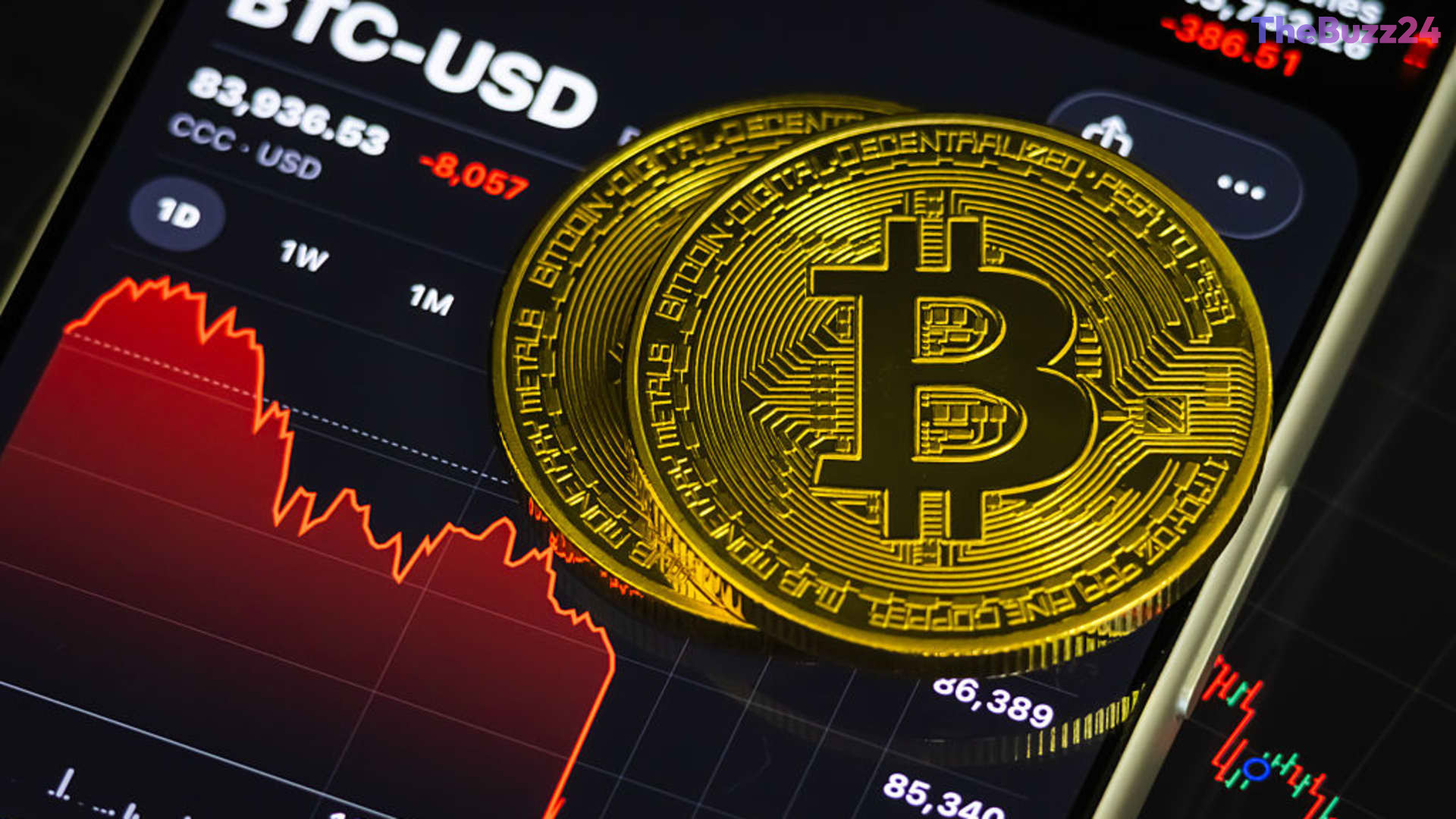
Bitcoin is facing significant downward pressure as long-term investors, previously considered the most resilient cohort in the market, have begun offloading their holdings. In a notable shift, these high-conviction holders—defined as those who have retained their assets for at least 155 days—have sold approximately $2.4 billion worth of Bitcoin within the last 48 hours. This move marks a departure from their relative inactivity between February and April, signaling a potential turning point in the current market cycle.
Data indicates that a significant portion of recent selling activity is coming from investors who entered the market at higher price points. Specifically, 26% of all Bitcoin sold over the past month originated from individuals who purchased their holdings above the $90,000 threshold. This wave of ‘top-buyer capitulation’ is often viewed by market observers as a hallmark of the final stages of a bear market, suggesting that the current period of volatility may be nearing its exhaustion point.
The broader cryptocurrency market continues to struggle as Bitcoin fails to reclaim its October highs, currently trading well below the $126,000 record. Geopolitical tensions, particularly regarding the U.S.-Iran conflict, have weighed heavily on sentiment, challenging the narrative that Bitcoin acts as a reliable ‘digital gold’ hedge. Furthermore, Bitcoin ETFs have experienced a record-breaking 11-day streak of net outflows, highlighting a cooling appetite among institutional and retail investors alike.
Market analysts remain cautious, noting that the divergence between Bitcoin’s performance and the record-setting stock market is creating uncertainty. With the prospects for favorable U.S. market structure legislation appearing to diminish, experts suggest that sentiment will likely remain subdued. Unless there is a significant shift in the regulatory landscape or a resurgence in fiscal concerns that drive the ‘de-basement trade,’ Bitcoin may continue to face a challenging environment in the near term.
Key Takeaways
- Long-term Bitcoin holders have sold $2.4 billion in assets over two days, signaling a shift in market sentiment.
- Over a quarter of recent selling activity comes from investors who purchased Bitcoin above $90,000, indicating widespread capitulation.
- Bitcoin ETFs have hit a record 11-day streak of net outflows, reflecting a broader decline in investor appetite.
Editor’s Analysis & Impact
The current capitulation of long-term holders is a double-edged sword for the Bitcoin market. While the mass exit of high-conviction investors often serves as a classic ‘bottoming’ signal in technical analysis, the lack of institutional support via ETFs suggests that a V-shaped recovery is unlikely. The decoupling of Bitcoin from equity markets—which are currently hitting record highs—is particularly concerning, as it undermines the asset’s primary value propositions as both a tech-correlated growth asset and a geopolitical hedge. Moving forward, the market is in a ‘wait-and-see’ mode. Without a clear regulatory catalyst or a return of institutional inflows, Bitcoin is likely to remain range-bound, with price discovery heavily dependent on macroeconomic shifts rather than internal crypto-native demand.
Frequently Asked Questions
Q: What is 'top-buyer capitulation' in the context of Bitcoin?
A: It refers to investors who bought Bitcoin at high prices finally deciding to sell their holdings at a loss as the market continues to decline, often signaling that the bear market is reaching its final, most pessimistic phase.
Q: Why are analysts concerned about the divergence between Bitcoin and the stock market?
A: Historically, Bitcoin has often traded in correlation with high-growth tech stocks. When the stock market hits record highs while Bitcoin continues to fall, it suggests that investors are losing faith in Bitcoin's specific narratives, such as it being a 'digital gold' or a high-beta tech asset.
AI Disclosure: This article is based on verified data and official reports. Our Team and AI have cross-referenced every financial detail with primary sources to ensure total accuracy.
More from this Category