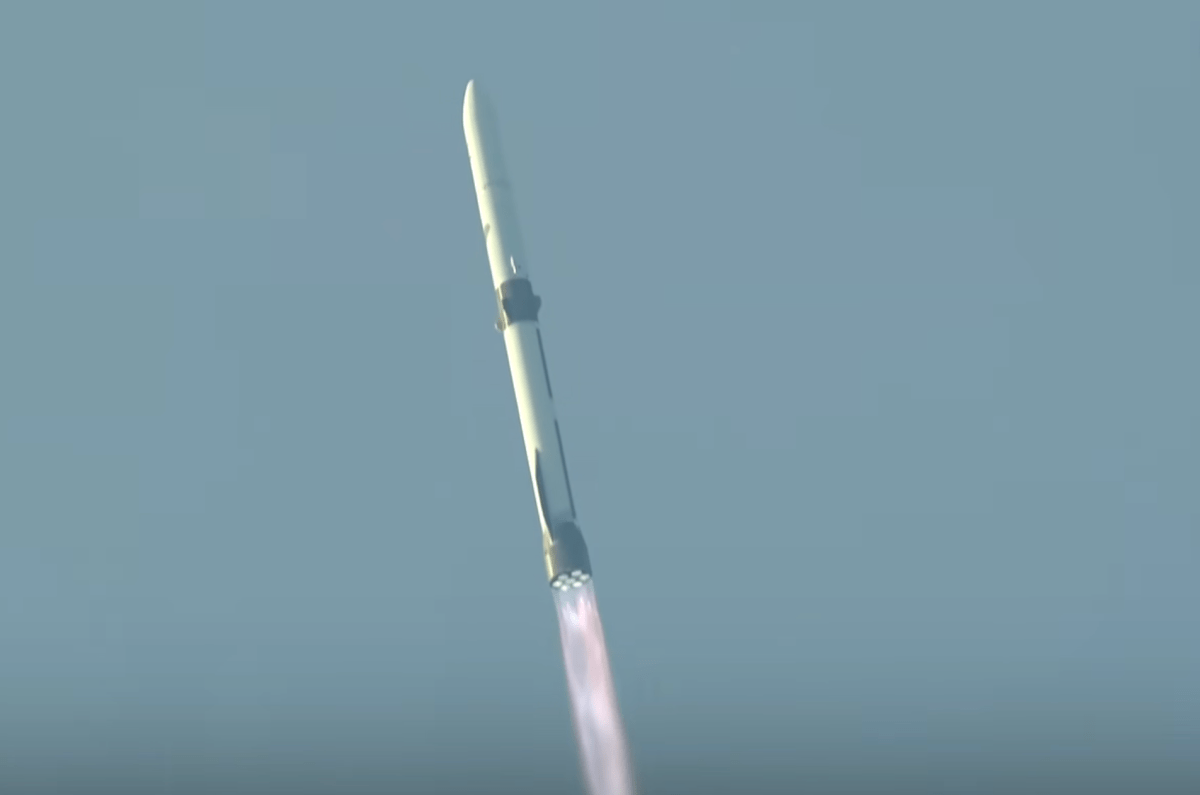
Blue Origin Hits Reusability Milestone as Satellite Deployment Faces Setback
Blue Origin has reached a pivotal operational milestone with the successful recovery of its heavy-lift New Glenn rocket booster for the second time. The achievement, occurring during the rocket’s third flight, underscores the company’s commitment to establishing a sustainable and cost-effective launch cadence. By successfully landing the booster on an ocean drone ship just ten minutes after liftoff from Cape Canaveral, Florida, the firm continues to validate its reusable architecture, a critical component for competing in the modern aerospace sector.
Despite the triumph in booster recovery, the mission encountered a significant complication regarding its primary payload. Approximately two hours after launch, it was confirmed that the communications satellite intended for AST SpaceMobile had been placed into an off-nominal, lower-than-planned orbit. The anomaly appears to have originated during the upper stage’s second engine burn, which was intended to finalize the satellite’s trajectory. Consequently, the satellite is slated for de-orbiting, marking a setback for the mission’s primary objective.
This development carries weight for both Blue Origin and its partners. The booster utilized in this mission had previously supported a NASA Mars mission, proving the viability of the New Glenn platform for rapid turnaround. However, the deployment failure raises questions regarding the reliability of the upper stage, which is essential for the company’s future commitments. These include upcoming NASA lunar missions and the deployment of large-scale satellite constellations for Amazon and other commercial clients.
Looking ahead, the aerospace firm must now conduct a thorough investigation into the upper stage malfunction to ensure future mission success. While the reusability of the booster remains a major win for the company’s economic model, the ability to reliably place payloads into precise orbits is the ultimate metric of success in the launch industry. Maintaining client trust will be paramount as Blue Origin continues to scale its operations and fulfill its multi-year launch manifest.
Key Takeaways
- Blue Origin successfully recovered the New Glenn booster for the second time, proving the platform's reusability capabilities.
- The mission suffered a failure during the upper stage deployment, resulting in an AST SpaceMobile satellite entering an incorrect orbit.
- The incident may impact future launch schedules as the company investigates the upper stage anomaly while preparing for NASA and Amazon missions.
Editor’s Analysis & Impact
The successful recovery of the New Glenn booster is a major technical victory for Blue Origin, signaling that they are narrowing the gap with industry leaders in terms of launch economics. However, the payload anomaly serves as a sobering reminder of the complexities inherent in orbital mechanics and multi-stage rocket operations. For the broader aerospace industry, this event highlights the ‘growing pains’ associated with scaling new launch vehicles. While reusability is the key to long-term profitability, reliability remains the primary currency for securing high-value government and commercial contracts. Moving forward, Blue Origin’s ability to quickly identify and rectify the upper stage issue will be the defining factor in whether they can maintain their current momentum or face delays in their ambitious launch manifest.
Frequently Asked Questions
Q: What went wrong with the Blue Origin mission?
A: While the rocket booster was successfully recovered, the upper stage failed to place the AST SpaceMobile satellite into its intended orbit, resulting in a lower-than-planned trajectory that requires the satellite to be de-orbited.
Q: Why is booster reusability important for Blue Origin?
A: Reusability is a cornerstone of the company's economic model, allowing for significantly lower launch costs and a higher frequency of flights, which is essential for competing with other major players in the space industry.
AI Disclosure: This article is based on verified data and official reports. Our Team and AI have cross-referenced every financial detail with primary sources to ensure total accuracy.
More from this Category